Undercover report reveals Cuba's collapsing health service, looming crisis
Blackouts of up to 20 hours were forcing Cuban hospitals to cancel care, while more than 100,000 patients waited for surgery and basic treatment kept slipping away.
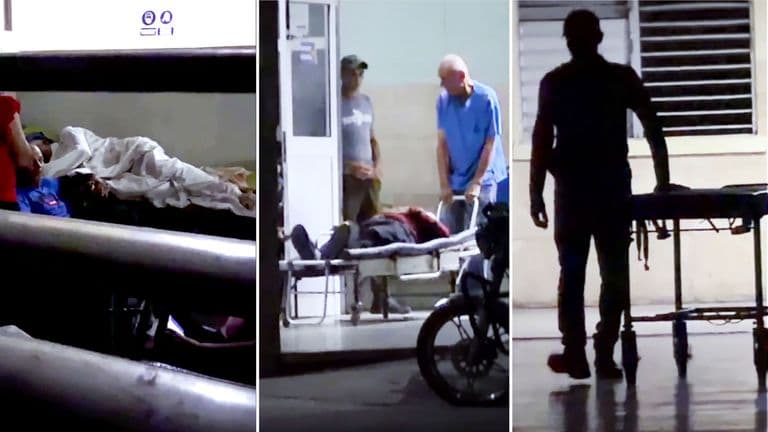
The failure showed up first in the daily grind: hospitals losing power for up to 20 hours, non-emergency operations being suspended, pumps failing, and staff carrying water up stairs because the equipment would not run. Stuart Ramsay’s undercover reporting across Cuba captured a health service where families, patients and medical workers were already living with the shutdown, and where people kept saying something big was going to happen.
UN officials said the damage was now visible in hard numbers. More than 100,000 patients, including 11,000 children, were waiting for surgeries delayed by blackouts and supply shortages. Around five million Cubans with chronic illnesses were at risk of interrupted treatment. More than 32,000 pregnant women faced higher risks because diagnostics were limited, transport was unreliable and neonatal units could not count on stable electricity. Fuel shortages were also cutting ambulance services and slowing access to critical care.

PAHO and WHO said the collapse was unfolding in the middle of a wider emergency marked by medication and supply scarcities, migration of healthcare personnel and an unprecedented energy crisis. They said hurricanes Oscar and Rafael, along with earthquakes in late 2024, damaged 385 health facilities. The island was also dealing with dengue and Oropouche outbreaks. Cuba’s Ministry of Public Health reported 23,639 suspected Oropouche cases and 626 confirmed cases as of January 30, 2025, along with 76 Guillain-Barré syndrome cases, 25 encephalitis cases and 15 meningoencephalitis cases. WHO lists Cuba’s population at 11,019,931 and its current health expenditure at 19.98% of GDP in 2023.
The surgical backlog has become a measure of the breakdown. A waiting list put 96,000 Cubans in line for surgery, including 11,000 children, and officials projected it could climb to 160,000 by year-end. More than 300 pediatric operations each week were short of medicine, oxygen, anesthesia or other supplies. Doctors have been taking side jobs to survive on state salaries of about 8,000 pesos a month, roughly $16 at the unofficial exchange rate. That is the shape of the crisis now, not a distant warning, but hospitals forced into stoppage, patients left waiting, and a system struggling to function one blackout at a time.
This article was produced by Prism’s automated news system from verified source data, official records, and press releases, then run through automated quality and moderation checks before publishing. The system is built and supervised by the people who set the standards it runs under. Read our full AI policy.
Did this article answer your question?