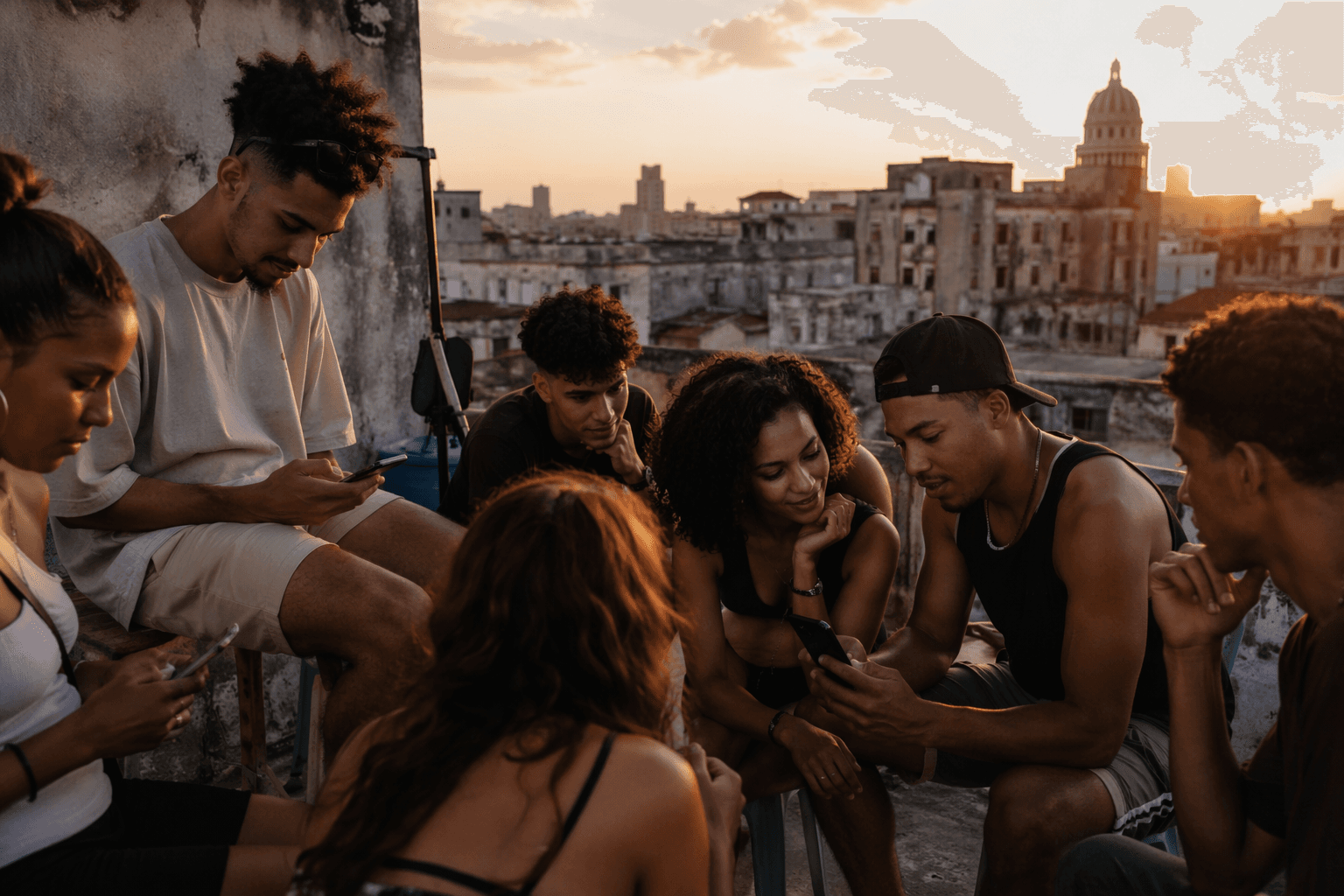
U.S.-Cuba talks deepen tensions as Havana denies prisoner deal
Havana’s denial of any prisoner deal has left families of detainees in limbo, even as Washington presses for releases and a 16-year-old sits in Canaleta prison.
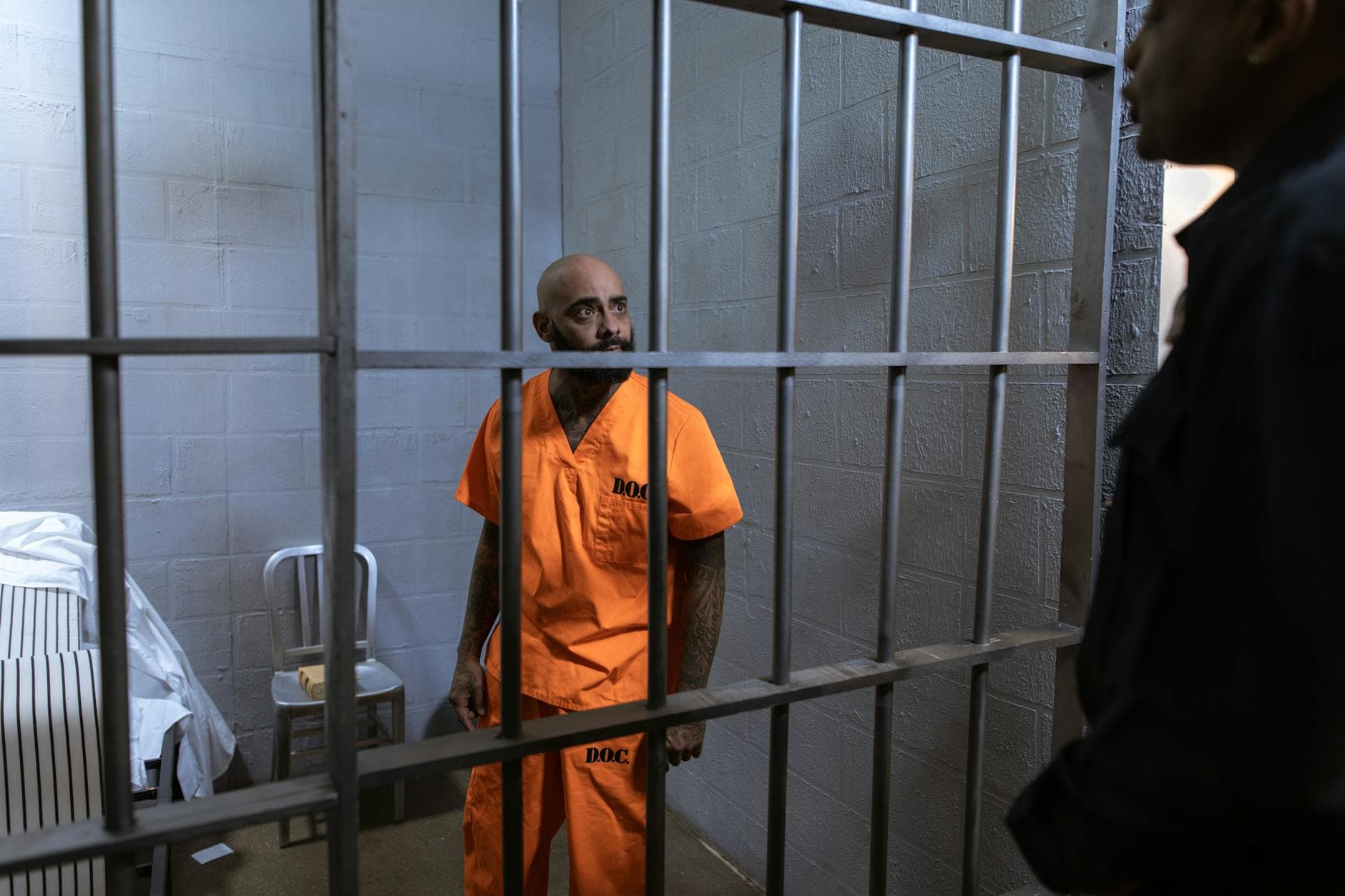
Havana’s denial that it struck any agreement to free political prisoners has widened, rather than eased, the uncertainty around the latest U.S.-Cuba contacts. For families like Minervina Burgos López and Elier Muir Ávila, the dispute is not abstract diplomacy. Their 16-year-old son, Jonathan David Muir Burgos, was detained after the March 13 protests in Morón, in Ciego de Ávila province, and later held in Canaleta prison, a maximum-security facility for adults.
The pressure from Washington has been blunt. U.S. officials gave Cuban leaders a two-week deadline in a secret April 10 meeting in Havana, warning that consequences could follow if reforms were not made. The talks have centered on political prisoners, including prominent figures such as Luis Manuel Otero Alcántara and Maykel Osorbo, but Cuban officials later publicly rejected the idea that releasing detainees was part of any deal.
A State Department spokesperson underscored the administration’s posture by saying, “a new dawn for Cuba is coming very soon if the regime stops playing games.” The message reflected a wider U.S. effort to keep the issue on the table while monitoring whether anyone Washington considers a political prisoner would be included in any Cuban release.
The prisoner question has become harder to read because Cuba has already moved on a separate release track. In early April, the government announced a pardon for more than 2,000 prisoners, the largest amnesty in 10 years. Cuba had also freed 51 prisoners in March under an agreement involving the Vatican. But rights groups have said the releases were opaque, and it remains unclear how many political prisoners, if any, were among those let out.
Amnesty International said the releases were marked by a lack of transparency and discretion. Human Rights Watch said hundreds of people detained for the July 11, 2021 protests were still imprisoned, and a U.N. Working Group on Arbitrary Detention report cited by El País said 49 protesters suffered arbitrary detention and related abuses. Those findings have kept skepticism high in Cuba, where prisoner counts, prison conditions, and the definition of a political prisoner remain deeply contested.
The stakes are larger than one detainee or one deadline. The talks unfolded as blackouts deepened across the island and tourism fell sharply, adding more pressure to a government already facing economic strain and international isolation. If the two sides are edging toward a bargain, the public signs still point in opposite directions.
This article was produced by Prism’s automated news system from verified source data, official records, and press releases, then run through automated quality and moderation checks before publishing. The system is built and supervised by the people who set the standards it runs under. Read our full AI policy.
Did this article answer your question?