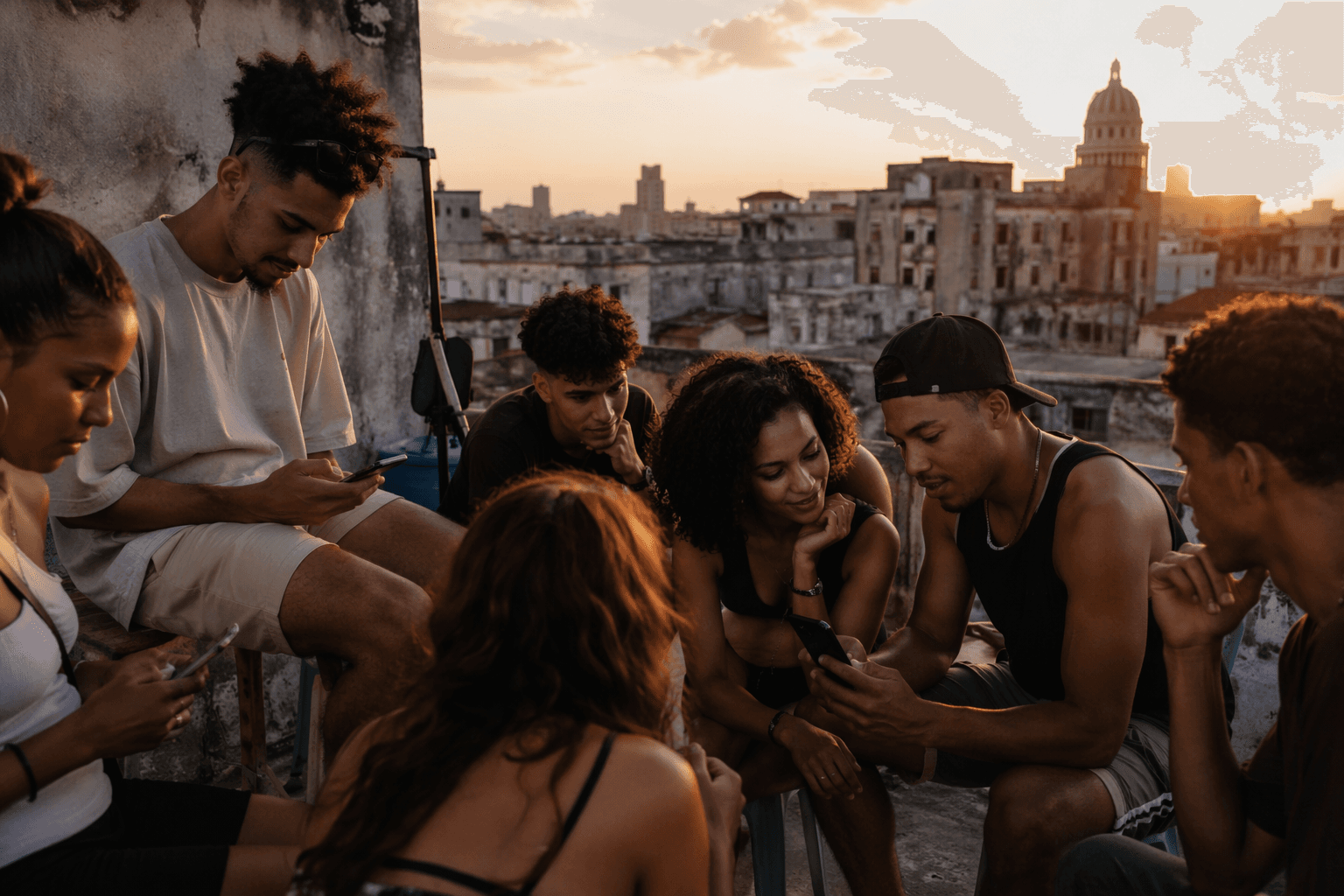
U.S. Embassy in Cuba spotlights diaspora icons in Freedom 250 video
The U.S. Embassy in Cuba used Celia Cruz, Willy Chirino and Gloria Estefan to sell Freedom 250 as a freedom message, not just a holiday nod. It landed with Havana politics baked in.
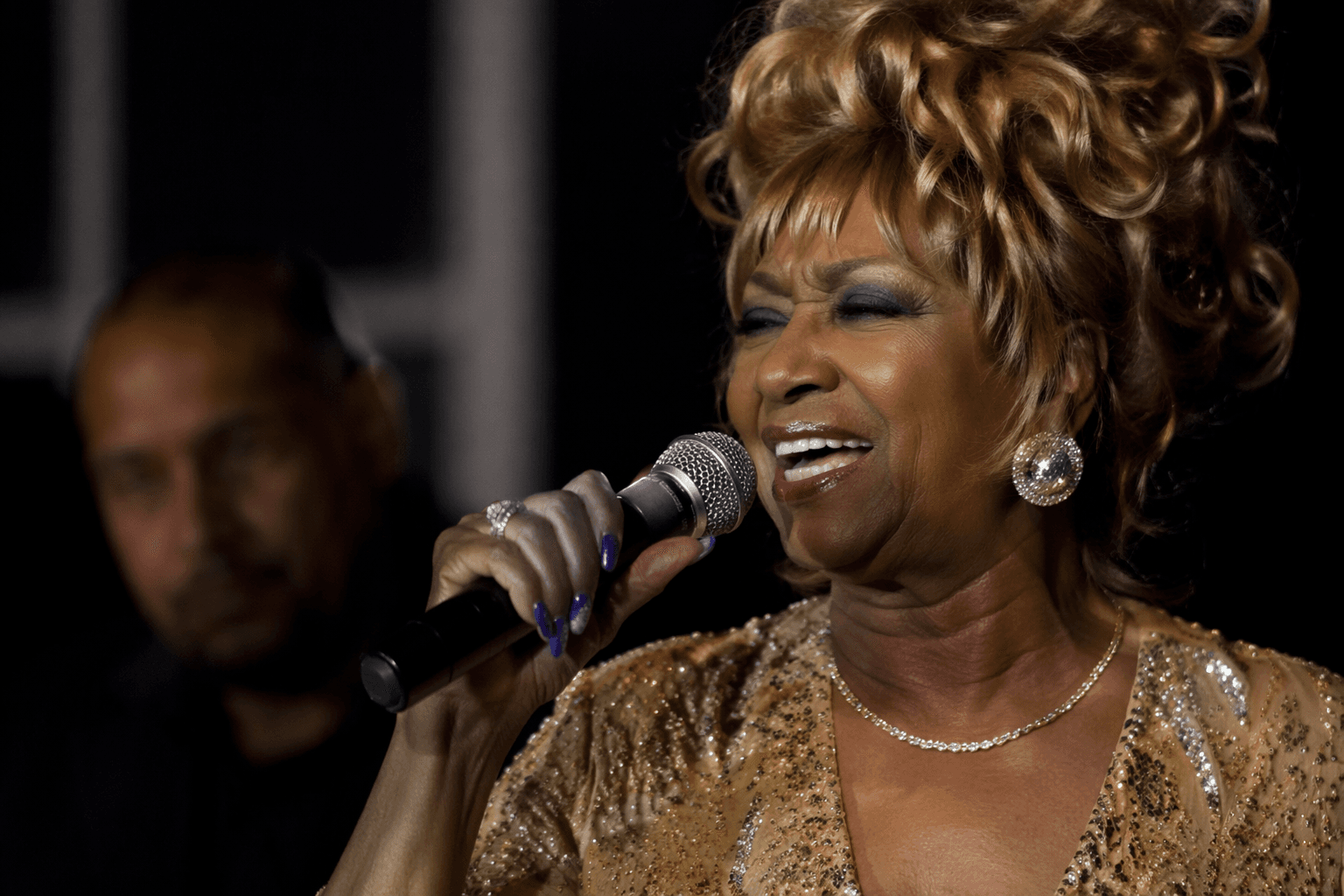
The U.S. Embassy in Cuba turned a music tribute into a political signal, using Celia Cruz, Willy Chirino and Gloria Estefan to frame Freedom 250 as more than a July 4 warm-up. The video, shared on X and tied to the embassy’s American Afternoons series, was aimed at both the island and the Cuban diaspora, with art and music presented as expressions of freedom.
That choice was no accident. Freedom 250 is the State Department’s official initiative for the July 4, 2026, 250th anniversary of the Declaration of Independence, and the embassy used it to push a message that sits well beyond ceremony. In the video, the mission cast art, dance, music and creativity as the language of liberty, a pointed framing in a country where the State Department says peaceful assembly and freedom of speech are not protected rights. For Washington, the cultural packaging carried a clear subtext: the fight over Cuban life is not only about policy, but about who gets to speak, sing and build a public voice.
Celia Cruz gave the message its sharpest symbol. Born in Havana on October 21, 1925, and later known as the Queen of Salsa, she remains one of the most recognizable Cuban voices in the diaspora, and her centennial was marked in 2025. Willy Chirino and Gloria Estefan bring the same exile resonance, especially in Miami, where their followings still map the emotional geography of the Cuban-American community. Their presence in the video made the point plain: the embassy was speaking to Cubans on the island, but it was also speaking directly to the exile world that has long treated Cuban culture as both memory and political identity.
The backdrop was just as loaded. The United States and Cuba resumed diplomatic relations on July 20, 2015, but the State Department still maintains a comprehensive economic embargo on Cuba, first proclaimed in February 1962. The embassy itself operates under constraints, including a special notification process for staff travel outside Havana that can affect emergency assistance, and Chief of Mission Mike Hammer began his tenure on November 14, 2024. A December 3, 2025 security alert warned of a total power failure in Havana and the western provinces after a partial collapse of the electrical grid, a reminder that the mission is working in a brittle environment.
That is why the video mattered. In Havana, the island audience can read it as a coded argument about rights and hardship. In Miami, it reads as recognition of exile icons who kept Cuban culture loud outside Cuba. In Washington, it is a soft-power move with hard politics underneath, and that is exactly the point.
This article was produced by Prism’s automated news system from verified source data, official records, and press releases, then run through automated quality and moderation checks before publishing. The system is built and supervised by the people who set the standards it runs under. Read our full AI policy.
Did this article answer your question?