U.S. sanctions Cuban president Díaz-Canel and key allies in escalation
Washington froze any U.S.-held assets tied to Díaz-Canel and his circle, a move that may bite more as political pressure than as direct economic pain.

The new U.S. sanctions on Miguel Díaz-Canel and his circle do one concrete thing first: they freeze any property or bank accounts the designated officials hold in the United States. For most Cubans, though, the sharper question is not whether Díaz-Canel has money in a U.S. account, but whether this escalation changes anything on the island’s blackouts, food shortages, remittance flow, or the narrowing space for talks with Havana.
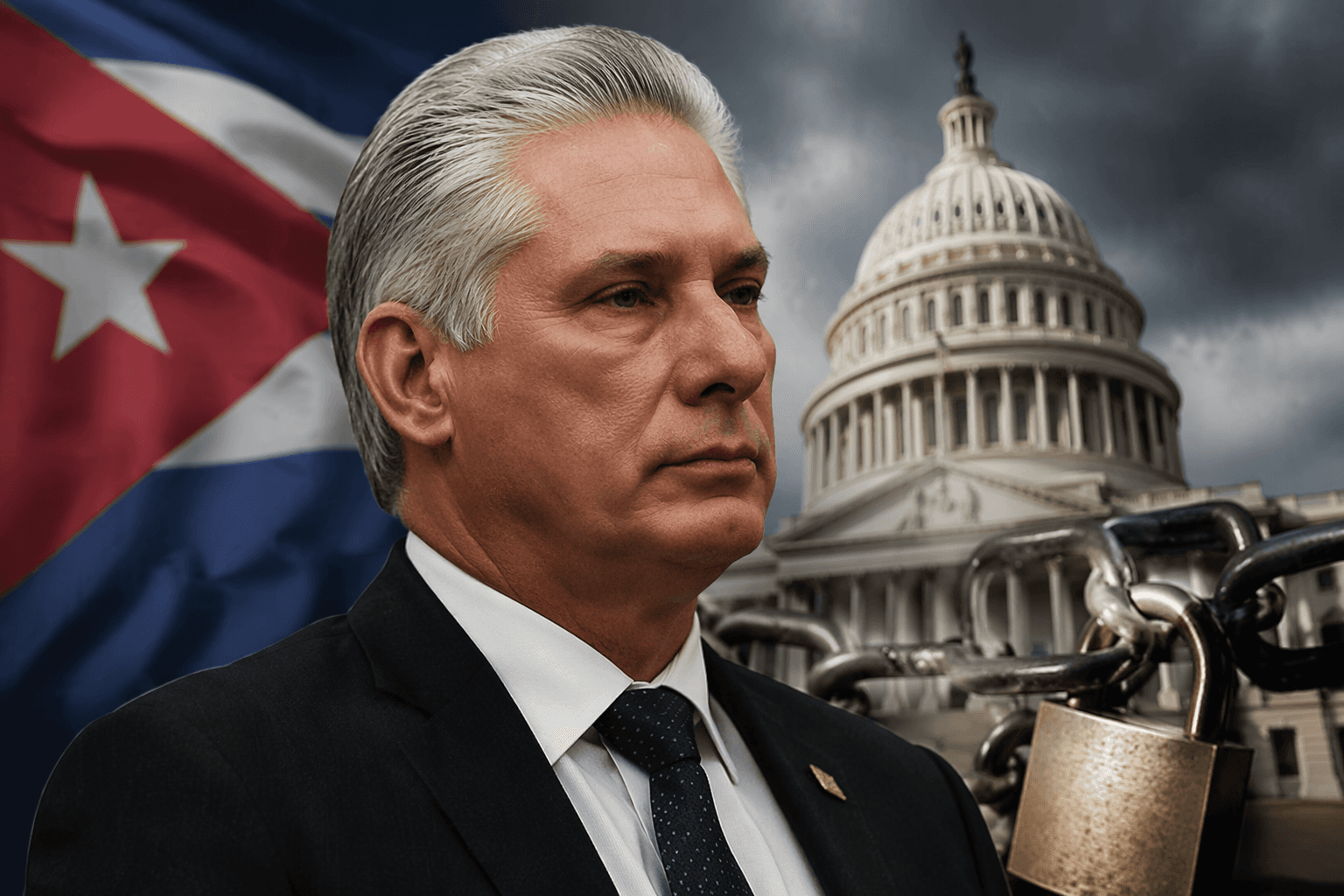
The designations announced Thursday, June 4, 2026, hit Cuba’s president, his wife, Alejandro Castro Espín, Raúl Castro’s son, and Raúl Alejandro Castro Calis, alongside three other individuals. They also reached into institutions tied to the state’s power structure, including the Ministry of the Revolutionary Armed Forces of Cuba, the Cuban Institute of Friendship with the Peoples, Amistur Cuba SA, and the Committees for the Defense of the Revolution. The move came after President Donald Trump signed Executive Order 14404 on May 1, broadening sanctions under the International Emergency Economic Powers Act.
The June 4 action was not the first squeeze. The State Department said on May 18 that it sanctioned 11 Cuba regime-aligned actors and three entities, then on May 19 it targeted 11 regime elites and three Cuban organizations, including GAESA, the military-owned conglomerate that operates in Cuba’s financial services sector. The U.S. embargo on Cuba has been in place since February 1962 and remains intact, which means this latest round adds pressure to a system of restrictions that already stretches back more than six decades.
The practical reach of the new sanctions is still uncertain. The targeted officials may have little exposure to the U.S. financial system, which limits the immediate bite of asset freezes. But the political signal is clear: Washington is now naming Díaz-Canel personally, not just the ministries and corporations around him. A former U.S. adviser on Latin America has framed that kind of move as either a prelude to more pressure or leverage for a deal, and that uncertainty now hangs over the next phase of U.S.-Cuba relations.
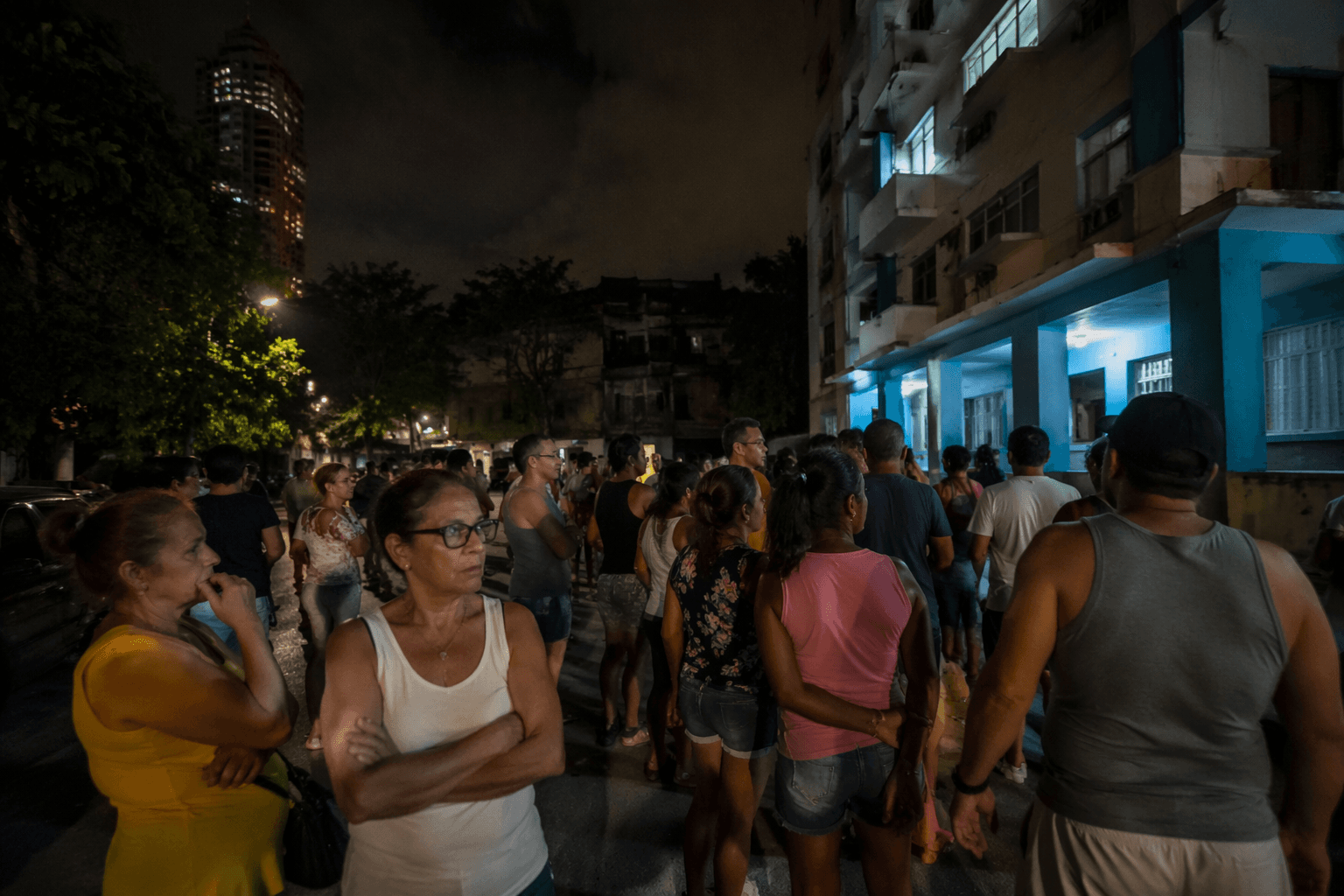
The escalation lands as Cuba is already struggling through severe energy shortages. In February 2026, the U.S. embassy warned Americans on the island about major disruption from power outages and fuel shortages. Reuters later reported that Venezuela supplied Cuba with about 26,500 barrels per day in 2025, roughly 24% of daily consumption, a reminder that even a small shock to fuel or finance can ripple quickly through the island. Díaz-Canel answered the sanctions by accusing Trump of deepening the conflict and reinforcing the blockade, and that is the same old fight with a new set of names attached.
This article was produced by Prism’s automated news system from verified source data, official records, and press releases, then run through automated quality and moderation checks before publishing. The system is built and supervised by the people who set the standards it runs under. Read our full AI policy.
Know something we missed? Have a correction or additional information?
Submit a Tip