US sanctions target Cuba’s GAESA, deepening economic crisis
Washington hit GAESA and four other Cuban targets, including finance, logistics and mineral-linked sectors, as shortages and blackouts keep biting.
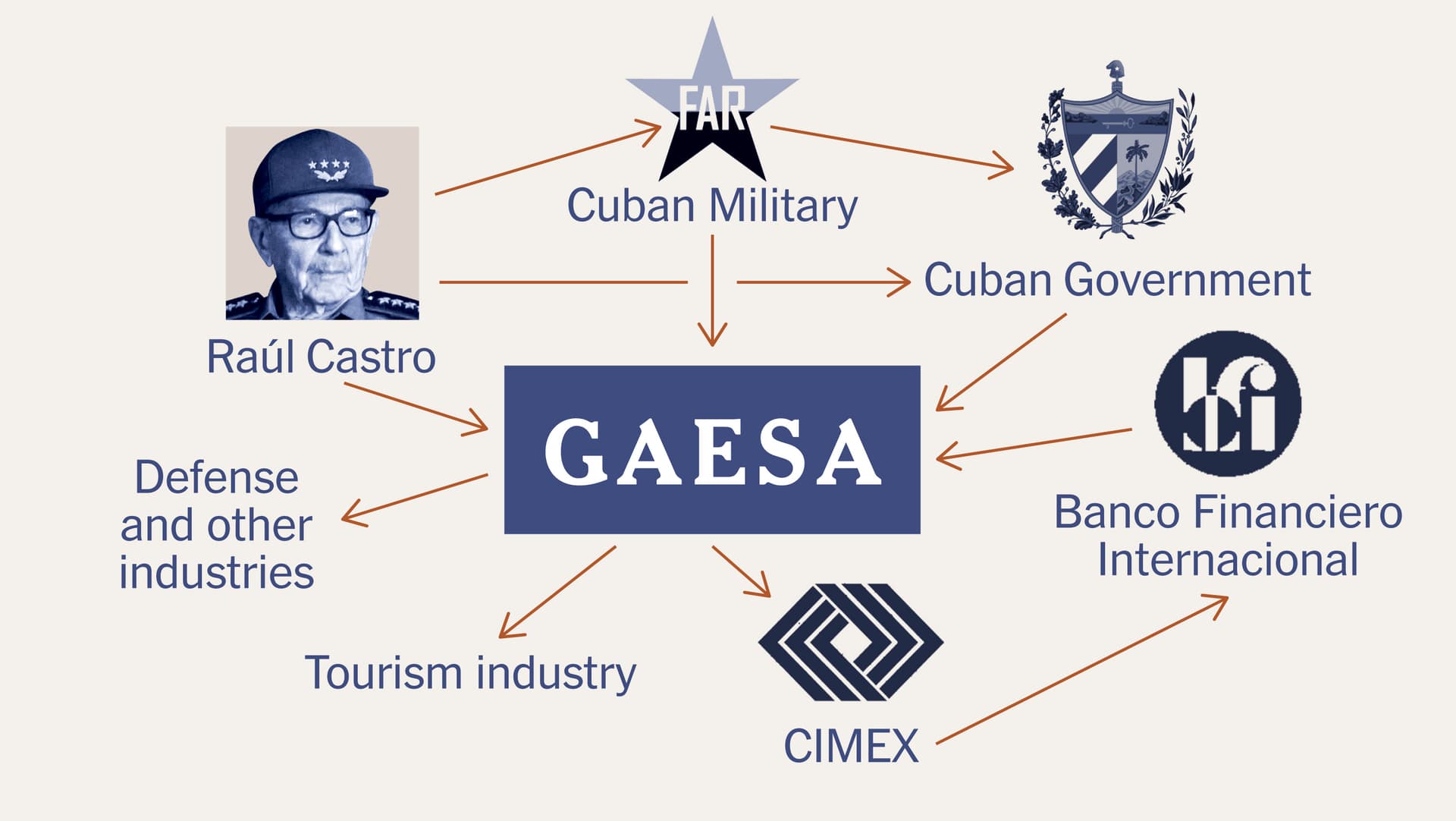
Washington hit five Cuban targets on Tuesday, tightening the screws on the network around Grupo de Administración Empresarial S.A., the military-run conglomerate that sits at the center of Cuba’s dollar economy. The State Department said two of the newly designated entities are GAESA-linked financial institutions, one is a GAESA-linked logistics company, and two others generate revenue from Cuba’s mineral and metal reserves, including state-owned GeoMinera.
The department described GAESA as “the financial muscle behind the Cuban regime’s repressive security apparatus,” and the practical message was clear: anyone doing business with those firms now risks getting cut off from the U.S. financial system. That warning matters for banks, shippers, suppliers and investors that touch Cuba’s state-linked sectors, because GAESA’s reach runs through tourism, retail, logistics, transportation, foreign trade, remittances and finance. In normal times, that kind of network is the plumbing of the island’s hard-currency economy. Under sanctions pressure, it becomes a choke point.
Marco Rubio framed the move as a response to what he called the regime’s misuse of scarce national resources and its priority on repression over basic services. In remarks quoted in the rollout, he said the island’s limited resources were being diverted away from “schools, power plants, and basic necessities.” Bruno Rodríguez, Cuba’s foreign minister, rejected the action and said the government had survived this kind of pressure before.
This was not Washington’s first shot at GAESA. The Office of Foreign Assets Control said the conglomerate was already designated on May 7, 2026, and has been on the Cuba Restricted List since December 21, 2020. OFAC also warned that foreign persons and foreign financial institutions face sanctions risk for transacting with GAESA, which raises the odds that the real damage shows up in the cautious behavior of third-country banks and companies long before any formal enforcement case lands.
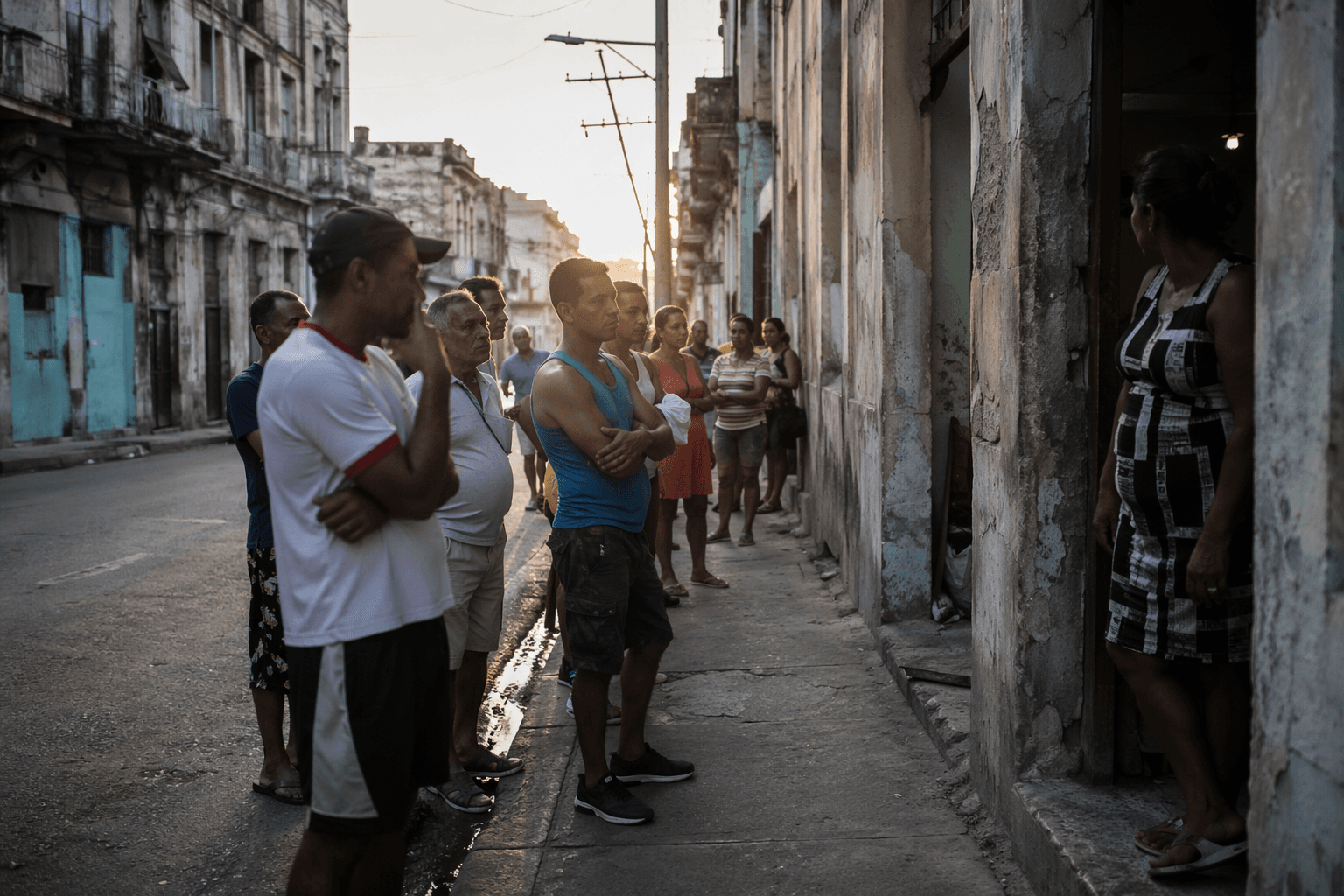
The timing made the move more than symbolic. Miguel Díaz-Canel announced a broad economic reform package on June 12, including letting state companies join the foreign exchange market, authorizing investments by Cubans abroad, cutting some subsidies, trimming bureaucracy, and giving municipalities more autonomy. At the same time, Reuters described Cubans facing shortages of food, fuel and medicine, along with worsening blackouts. Cuba is trying to loosen parts of its economy while Washington is moving to starve off the revenue streams that keep the system afloat.
A Columbia-affiliated analysis of leaked GAESA financial statements put its gross profits at close to 37% of Cuba’s GDP and its liquid dollar reserves at $14.5 billion. Other estimates put its economic reach at roughly 40% and as high as 70%. That is the reality check here: this is not just a gesture against a military holding company. When a bloc that deep gets hit, the fallout can move fast into fuel, transport, tourism-linked services and foreign business activity, right down to the shortages Cubans already see every day.
This article was produced by Prism’s automated news system from verified source data, official records, and press releases, then run through automated quality and moderation checks before publishing. The system is built and supervised by the people who set the standards it runs under. Read our full AI policy.
Did this article answer your question?