USCIS partially resumes Cuban immigration cases after months-long freeze
USCIS has reopened a few Cuban immigration lanes, but the wider freeze still blocks many asylum and green-card cases while approvals and arrests move in opposite directions.
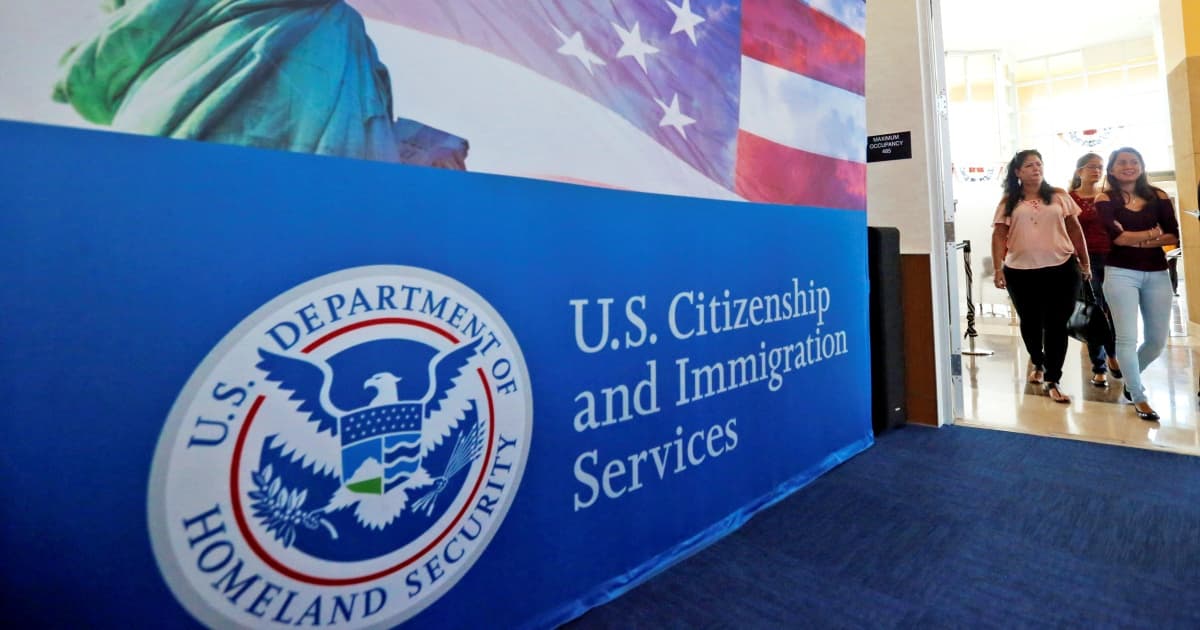
USCIS has started to loosen the immigration freeze that stalled Cuban cases for more than three months, but only in narrow lanes. The partial reset reaches some work-permit cases, asylum matters, medical-professional procedures, rescheduled oath ceremonies, some adoption forms and certain petitions filed by U.S. citizens, giving at least a handful of Cuba-linked families a path back into the system after months of silence.
The broader hold is still in place for many others. On Dec. 2, 2025, USCIS ordered a stop on all affirmative asylum filings and on pending benefit requests for people from countries covered by Presidential Proclamation 10949, while also requiring a re-review of some approved requests for people from those countries who entered the United States on or after Jan. 20, 2021. On March 30, 2026, the agency said its earlier screening and vetting had been “wholly inadequate” and said some people had been approved or naturalized who should not have been. USCIS says it is now using a layered vetting plan with expanded criminal-history checks, identity verification and ad hoc security checks.
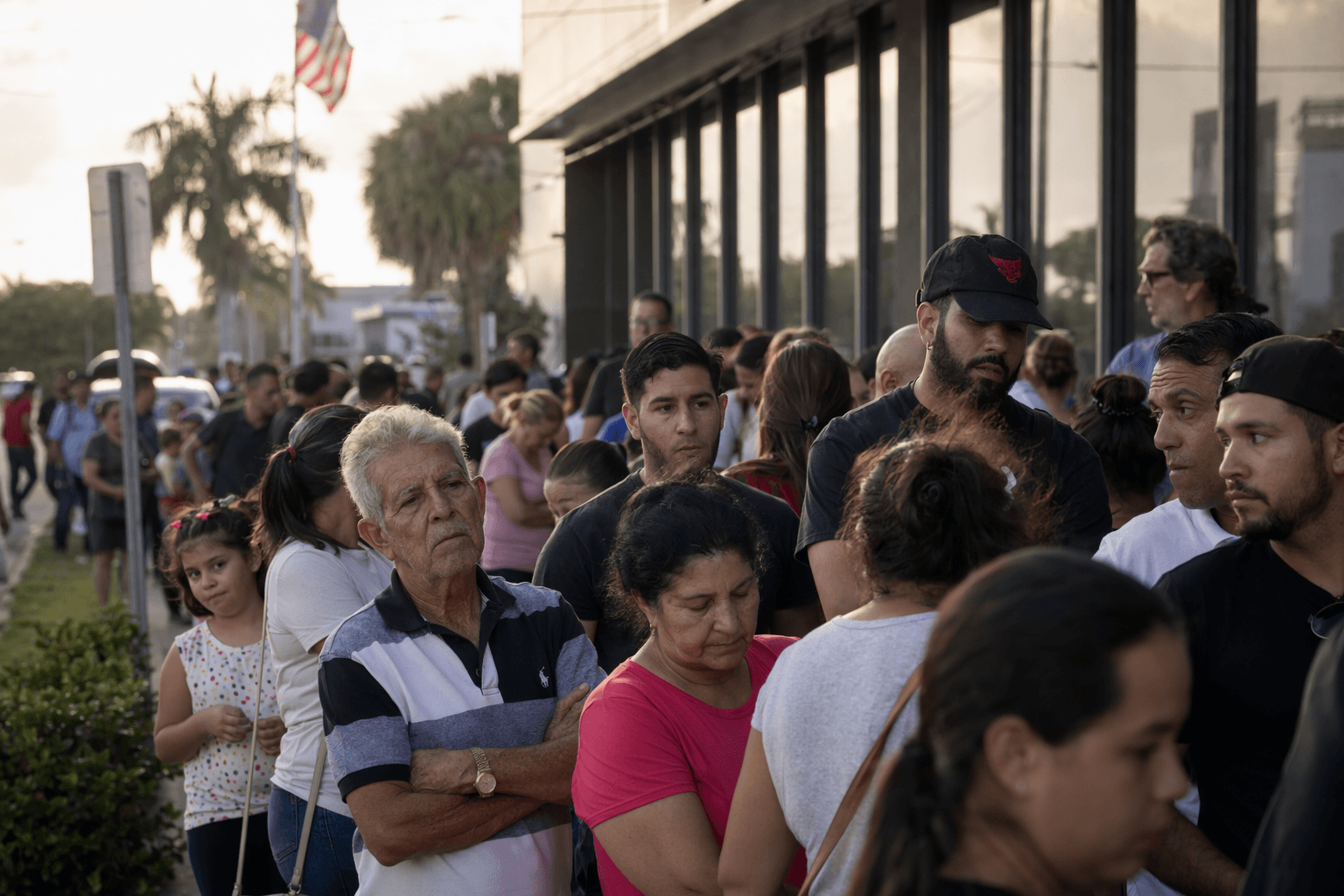
For Cubans, that means the relief is partial, not a clean restart. Cases tied to the reopened categories may move again, but affirmative asylum applicants, people waiting on pending benefit requests and anyone caught in the re-review dragnet are still stuck in a tougher, slower process. USCIS’s own asylum guidance says applicants generally must file Form I-589 within one year of arrival, which makes the freeze especially punishing for newer arrivals trying to keep protection and work authorization alive while their cases sit.
The legal and political pressure around the freeze has only grown. George L. Russell III, a federal judge in the U.S. District Court for the District of Maryland, ruled that the indefinite suspension of green-card processing was illegal and ordered the government to restart applications for 83 plaintiffs. At the same time, DHS terminated the categorical family reunification parole programs for Cuba, Colombia, Ecuador, El Salvador, Guatemala, Haiti and Honduras in a Dec. 15, 2025 notice, though a federal court in Massachusetts later stayed parts of that termination as it applied to previously granted parole and employment authorization before the original end dates.
The numbers show how hard Cubans have been hit. A Cato Institute analysis cited in the coverage says green-card approvals fell from 10,984 in February 2025 to 15 in January 2026, while ICE arrests of Cubans rose 463 percent from October 2024 to January 2026 and passed 1,000 arrests per month. Rep. María Elvira Salazar has pushed DHS to resume citizenship and naturalization processing for Cuban and Venezuelan applicants while keeping strict security vetting, a sign that the system is still moving toward tighter scrutiny, not a return to normal.
This article was produced by Prism’s automated news system from verified source data, official records, and press releases, then run through automated quality and moderation checks before publishing. The system is built and supervised by the people who set the standards it runs under. Read our full AI policy.
Did this article answer your question?