Varadero icon Lai-Lai restaurant now in ruins, social-media video sparks nostalgia and fresh debate over tourism collapse
A viral video exposes Lai-Lai, Varadero's iconic Chinese restaurant, rotting after five years of a promised renovation that never came, as Cuba's tourism hits its worst levels since 2002.
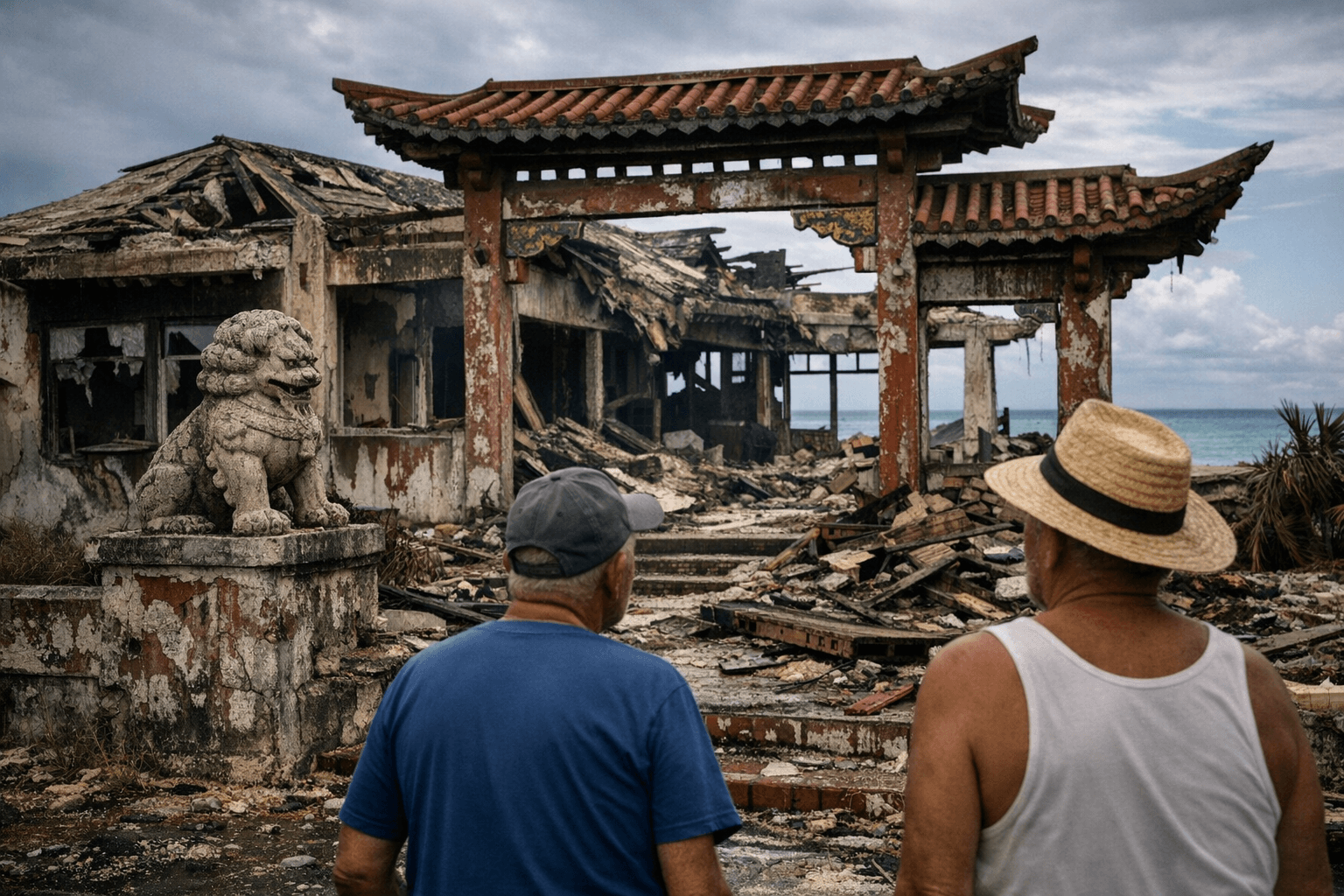
A video posted by Cuban content creator IsabelVlogs in early April stopped scrollers cold: Lai-Lai, the celebrated Chinese restaurant that once drew long lines on Varadero's 18th Street and 1st Avenue, sits in near-total ruin. Broken windows, collapsed ceilings, peeling paint, and vegetation pushing through the walls document what more than five years of a "renovation" that never started actually looks like.
Lai-Lai's history stretches back before the 1959 Revolution. After nationalization, it earned a genuine reputation as one of Cuba's standout Chinese restaurants through the 1980s, a distinction that meant something in a culinary landscape increasingly thinned by shortages. The state closed it for renovation over five years ago. No work followed.
The short clip circulated widely, drawing commentary that split between grief and fury. "I remember the food and long lines," one viewer wrote, a sentiment that echoed across the thread. Others were less sentimental, pointing to the closure as a specimen of systematic neglect rather than mere budgetary misfortune.
Lai-Lai is not alone. Floridita in Havana and the coastal development of Tarará have drawn similar documentation of abandonment in recent months, forming a growing visual record of Cuba's tourist infrastructure in decline.
The numbers behind that decline are stark. Cuba ended 2025 with roughly 1.8 million international visitors, the worst total since 2002 outside of pandemic years. January 2026 arrivals came in at only 184,833. Varadero, the resort corridor that depends almost entirely on foreign tourism, recorded occupancy rates as low as 21.5% in 2025, a figure that translated directly into mass layoffs and reassignments among hotel and hospitality workers across Matanzas province.
The images circulating through the diaspora carry particular weight. Lai-Lai's collapsed ceilings confirm what many who left Cuba have long argued and what those still inside increasingly say aloud. State actors have pointed to fuel shortages and U.S. sanctions as the primary drivers of the tourism sector's collapse. Critics counter that venues do not rot from sanctions; they rot from decisions not to maintain them.
What the Lai-Lai video makes undeniable is that Cuba's tourist infrastructure is not merely underperforming but physically deteriorating at sites once celebrated as signature draws. Historical listings and travel brochures may describe restaurants and attractions that no longer exist in functional form. With Varadero occupancy at 21.5% and January arrivals still falling deep into 2026, the window for reversing that physical deterioration is narrowing fast.
This article was produced by Prism’s automated news system from verified source data, official records, and press releases, then run through automated quality and moderation checks before publishing. The system is built and supervised by the people who set the standards it runs under. Read our full AI policy.
Did this article answer your question?