Coventry Dog Trainer Petitions UK Government to Ban Puppy Yoga Events
A Coventry dog trainer's petition to ban puppy yoga has racked up thousands of signatures, with the RSPCA and Dogs Trust citing stress, disease risk, and over-handling of eight-week-old pups.
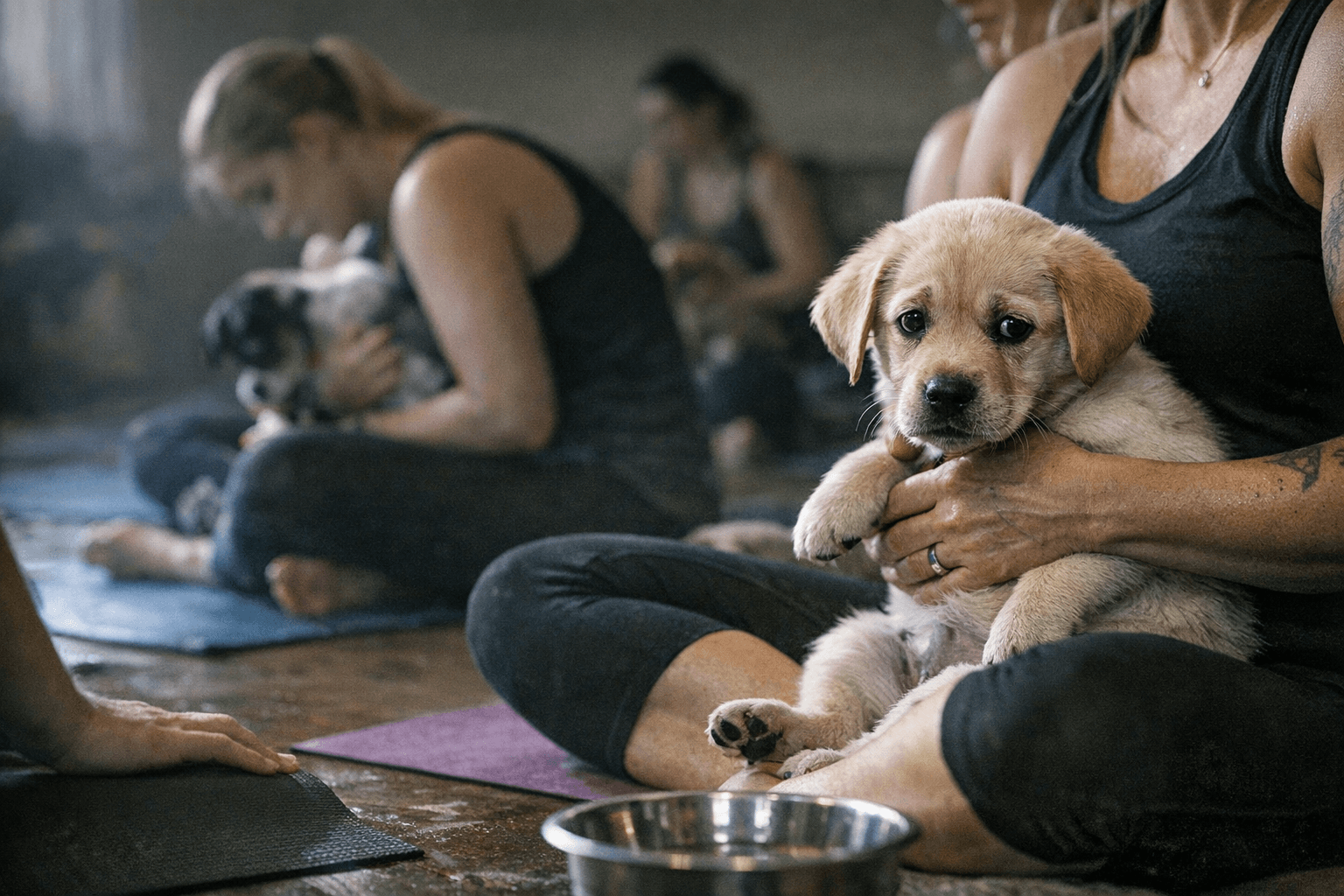
Nicky Brunt's verdict on puppy yoga is blunt: "It looks cute, but the reality is very different." The Coventry-based dog trainer and founder of Sound Hounds filed a petition on the UK government petitions platform calling for a statutory ban on "puppy yoga," "puppy Pilates," and all other forms of "puppy cuddle therapy," events where members of the public pay to handle very young puppies in yoga or wellness class settings. The petition, which carries a deadline of September 10, 2026, had already gathered thousands of signatures by early April as national coverage amplified the campaign.
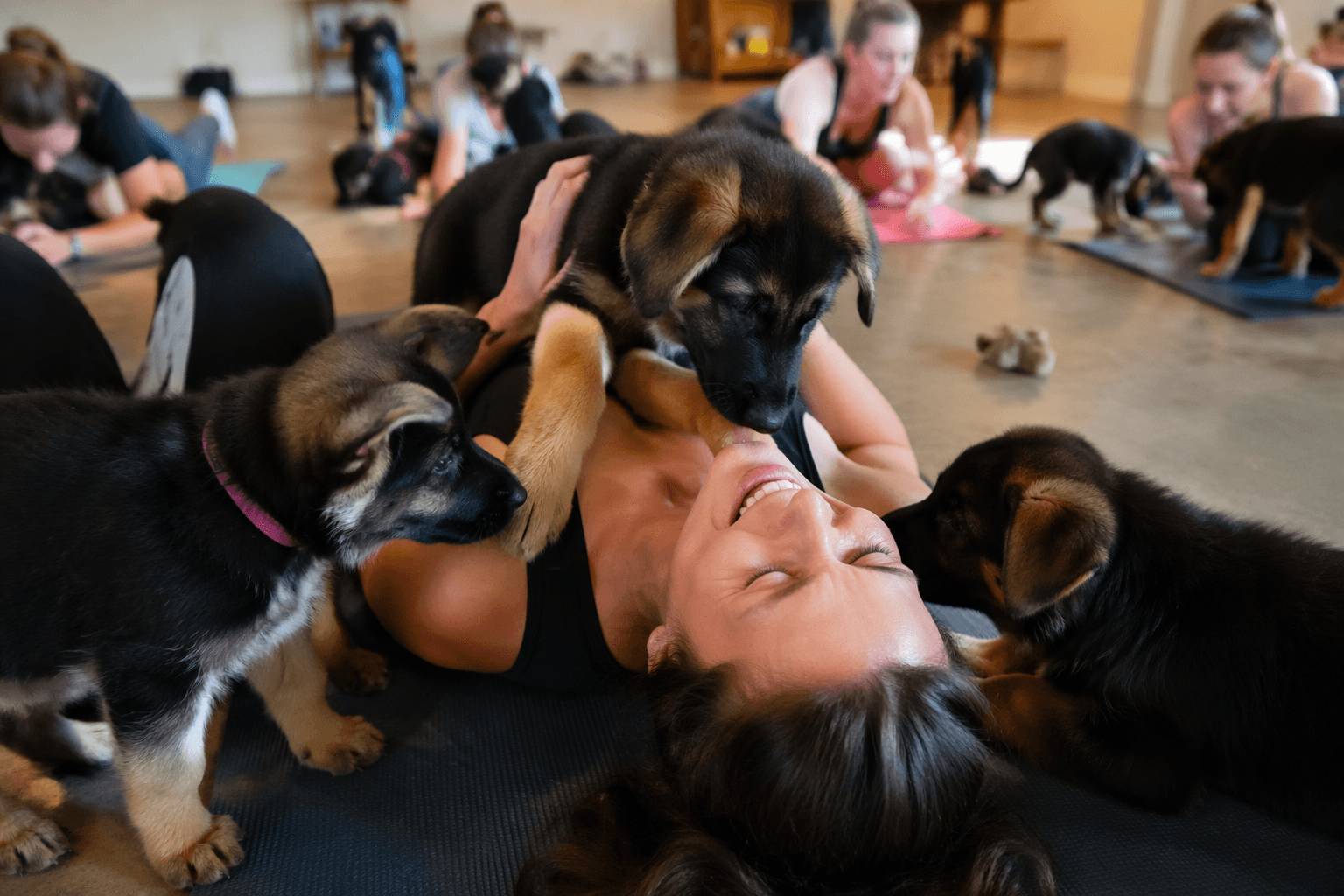
The petition's core argument is developmental. Puppies used in these sessions are typically around eight weeks old, a stage when dogs are in a critical socialisation window and are, under UK welfare guidance, only just legally old enough to leave their mothers. Brunt and supporting organisations argue that subjecting animals at this stage to crowded, noisy studio environments, repeated handling by strangers, and potentially disrupted sleep and water access causes measurable stress and risks long-term behavioural harm. The petition text states that puppies are often used "without regard for their safety," a charge that several major welfare bodies declined to contradict when Brunt contacted them. The RSPCA, Dogs Trust, Blue Cross, and Battersea Dogs and Cats Home all expressed concerns about the welfare implications of such events. The RSPCA has gone further: it has called on the UK government to stop puppy yoga following investigations that found puppies as young as six weeks old being used in sessions for hours each day, sometimes deprived of sleep and water.
The UK is not alone in grappling with this. Italy banned puppy yoga on animal welfare grounds in 2024, and the Netherlands has moved closer to a similar ban, to the RSPCA's expressed approval. A UK parliamentary committee report raised concerns about puppy yoga, noting that the welfare of underage and potentially unvaccinated puppies in such a setting may be detrimental to their health and wellbeing.
Operators like Pooch Therapy, one of the most prominent UK puppy yoga providers, say they work within relevant guidelines and position their sessions as therapeutic for both people and animals. Some ethical operators have published welfare standards that address the very issues the petition targets. Puppy Yoga UK states it conducts a maximum of two sessions with a break between them and never more than three in a day, with session frequency determined by breed, temperament, and prior discussion with the puppy owner. Ethical operators require puppies to be at least eight weeks old, vaccinated, and cleared by a veterinarian before participation. Some companies take sourcing transparency further: Pets Yoga conducts physical visits to the homes of all animals used, meets the puppies' parents, and verifies veterinary records before any event takes place.
The gap between those standards and what Brunt's petition describes is the crux of the debate. There is no statutory framework currently requiring UK puppy yoga operators to adhere to any minimum standard on age, rest breaks, session caps, handler-to-puppy ratios, or transport conditions. That regulatory vacuum is precisely what the petition asks DEFRA to address. Brunt has also raised questions about whether some events are properly scrutinised for breeder sourcing, noting that the absence of formal oversight means the quality of events varies dramatically between operators.
For doga practitioners and yoga studios considering whether to host or attend these sessions, the checklist that separates defensible events from exploitative ones is worth knowing. Ask the organiser how old the puppies are and whether they have vet clearance. Find out how many sessions the same animals do per day and whether mandatory rest periods are built into the schedule. Ask about the ratio of trained handlers to puppies in the room, how sourcing is verified, and whether unvaccinated animals are being brought into shared public spaces. Operators who cannot answer those questions directly have not done the welfare homework.
The most straightforward way to sidestep the controversy entirely is to bring your own adult dog to a doga class. Studios already running human-canine yoga with participants' own temperament-tested dogs have none of the sourcing, developmental, or over-handling exposure that has driven Brunt's campaign. Rescue charities partnering with yoga studios to feature adult, socialisation-ready dogs offer a second model: the dogs benefit from positive human contact at an appropriate life stage, and participants get the same stress-relief payoff without the welfare liability. If Brunt's petition reaches the threshold for a parliamentary debate, those alternatives may stop being a niche preference and start looking like the only viable format.
This article was produced by Prism’s automated news system from verified source data, official records, and press releases, then run through automated quality and moderation checks before publishing. The system is built and supervised by the people who set the standards it runs under. Read our full AI policy.
Did this article answer your question?