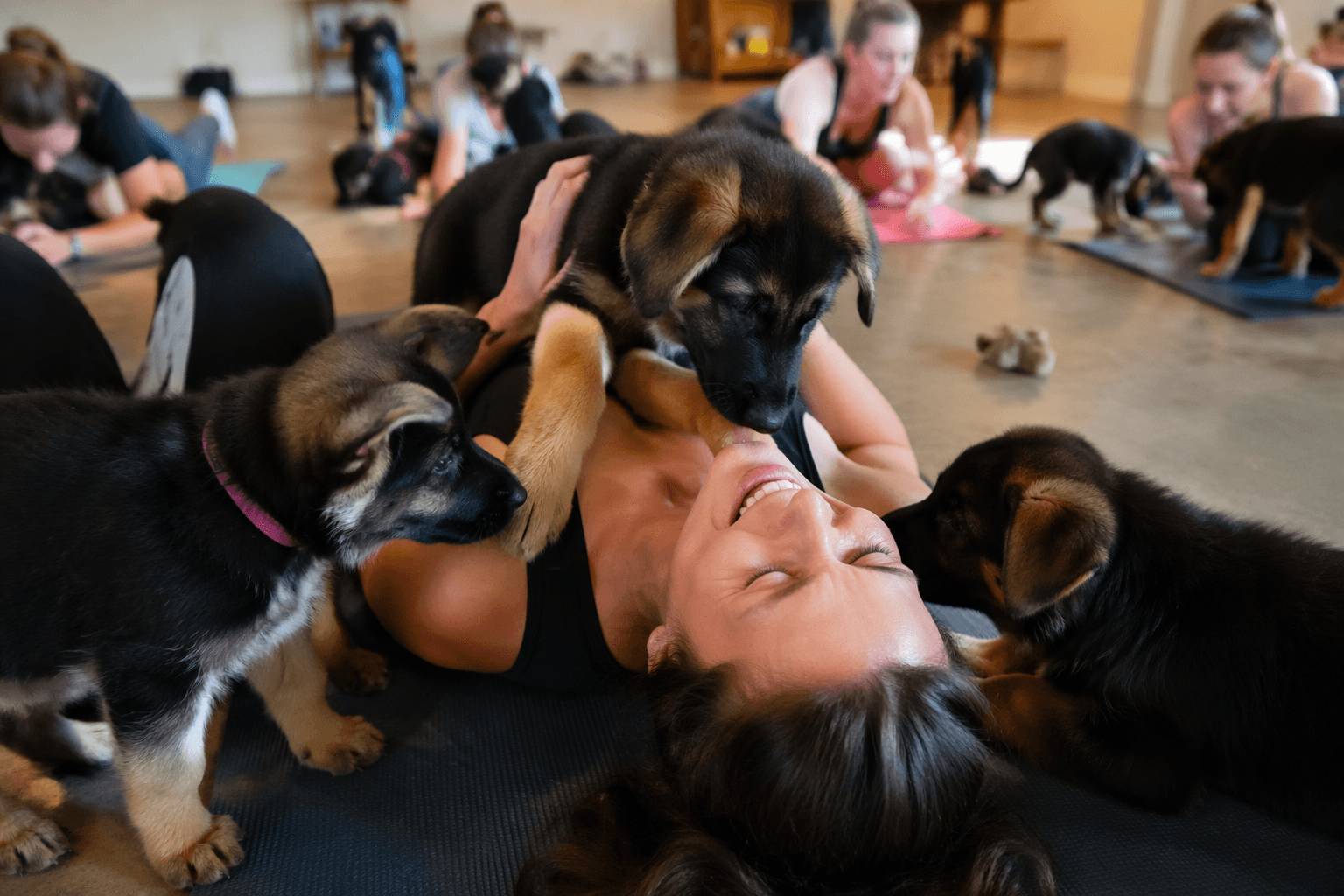
Cyprus villa turns dog yoga into rescue puppy rehabilitation home
A Peyia villa is using puppy yoga as a rescue pipeline, pairing calm socialization with fostering, adoptions and rehab for puppies that need real recovery time.
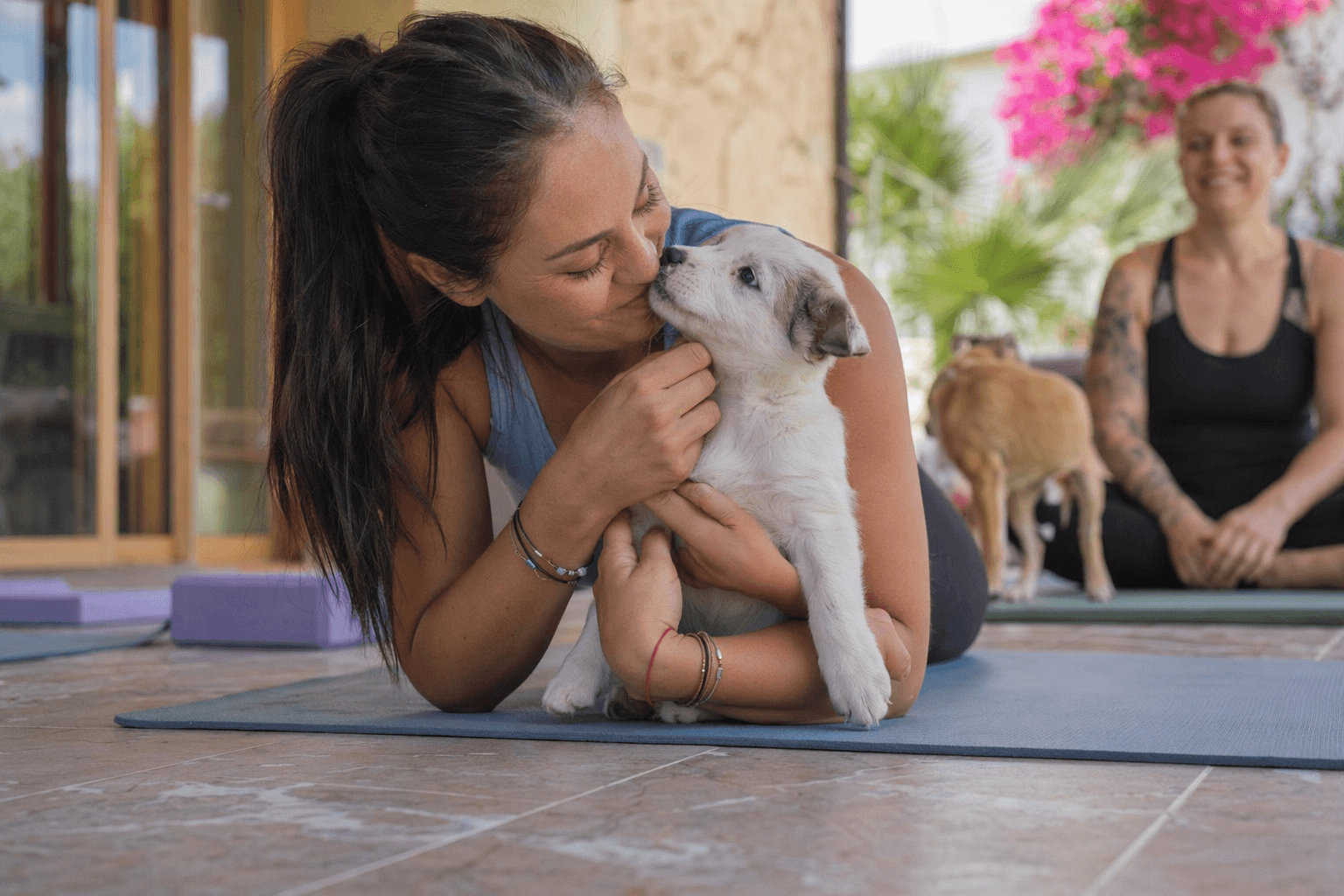
A rescue house disguised as a retreat
Up in the hills above Peyia, puppy yoga is doing more than filling mats and camera rolls. The villa at the center of it houses five rescue puppies at a time, and those puppies are not owned by the retreat. They are fostered there, temporarily, until they are old enough, steady enough and social enough to move into permanent homes abroad.
That detail changes everything. This is not a petting-playdate business with a rescue sticker on it. It is a structured holding environment built around socialization, handling and trust, with the yoga class serving as the delivery system. Ines Brendel runs the retreat with AIRS Foundation and STAR, also known as Stronger Together Animal Rescue, and says she has a foster agreement with AIRS. Adoption decisions and international placements stay with the partner organizations, which keeps the rescue side from being swallowed by the wellness side.
How the puppy yoga model actually works
The puppies stay at the villa until they are around four months old, which is the sweet spot for the kind of work this model is trying to do. By then, they have had time to learn ordinary touch, basic handling and the noise of people moving around them without being thrown back into the stress of a shelter environment. AIRS Foundation says it provides neutering, microchipping and regular veterinary care, while also running fostering and rehoming programs with charities in Cyprus and abroad.
STAR adds the missing piece of the philosophy: some animals need rest, support or assessment before they are ready for a forever home. That is exactly what the villa gives them. Instead of asking puppies to perform for visitors, the retreat uses calm human contact as part of rehabilitation, which is the piece most wellness-only puppy yoga events skip.
The programming makes the rescue funnel obvious. Puppy Yoga sessions bring people in. Coffee, Cake & Cuddles slows the pace and lets visitors spend more time with the dogs. Walks along Paphos harbour and the EDRO III shipwreck extend the interaction beyond the villa and help the puppies meet new environments without being overwhelmed by them.
What a good rescue outcome looks like here
Hooper is the clearest example of why this setup can work. He was found in a field with his brother Henry and taken to the AIRS Foundation shelter. After another dog attacked him and left him with a serious neck bite, he needed veterinary care and then a quiet place to recover. At first, he sat at the edge of yoga sessions and watched cautiously. Over time, he relaxed, climbed into someone’s lap and became calm enough to be ready for a new life in England.
That is the part of puppy yoga that can be measured without hand-waving. A dog that arrived injured, wary and under stress moved through a defined sequence: shelter intake, veterinary treatment, low-pressure foster time, public socialization and finally international placement. If you are trying to judge whether a puppy yoga business does real rescue work, that is the kind of chain you want to see.
Nala shows the adoption funnel from a different angle. She was found abandoned with six siblings during winter, then met a family during a Puppy Beach Walk in Paphos. They came back the next day, the connection deepened, and she was adopted before traveling to Germany with a volunteer. That is not just a sweet ending. It shows that the retreat is creating repeated contact, which matters when the dogs are young, adoptable and still learning how to read people.
The risk: charm can become a costume if the rescue side is weak
Puppy yoga gets flaky fast when the dogs are treated as props. The difference here is that the rescue structure is doing real work, but the model still depends on discipline. Five puppies at a time is a manageable number, yet it also limits how much this system can absorb if abandonment spikes or if more animals need care than the villa can safely host.
The retreat’s own booking and review pages describe it as the “world's first Puppy Yoga Retreat” with rescue puppies up for adoption. That is a marketing claim, and it tells you what the business wants people to remember. What matters more is whether the puppies leave better prepared for life than they arrived. In the cases of Hooper and Nala, the answer appears to be yes. In less careful hands, the same format could easily become a soft-focus trap where people pay for a feel-good hour and the animals get little beyond attention.
So the question is not whether puppy yoga can be cute. It can. The real question is whether the class is a bridge or a backdrop. At this villa, the structure points toward a bridge: foster placement, health checks, social exposure, then adoption through rescue partners that handle the final move.
Why Cyprus makes this model matter more
The Peyia villa sits inside a much bigger animal-welfare problem. Cyprus’s environment and animal welfare commissioner, Antonia Theodosiou, has said abandonment is increasing and pointed to weak infrastructure, limited resources, poor enforcement and public indifference or ignorance. Her message was blunt: adopt from shelters, sterilise pets, donate and volunteer.
Shelter volunteers have been saying the same thing for longer. In 2024, they described abandonment and neglect as year-round problems, not just a summer surge, and said adoptions had fallen sharply. They also pointed to Brexit and rising living costs and veterinary bills in the UK, which cut back the overseas adoptions that once helped relieve pressure on Cypriot shelters.
That pressure helps explain why foster-based rescue businesses have traction now. They reduce shelter stress, buy time for injured or frightened dogs and create a friendlier route into adoption for people who might never walk into a shelter on purpose. In Cyprus, where campaigners continue to describe the situation as a breaking point, a villa that can turn yoga traffic into foster support, donations and international homes is more than a novelty. It is part of the machinery keeping rescue moving.
A local rescue tradition with a different setting
This model also fits into a longer Peyia pattern. A 2019 report on the reopening of the Peyia dog pound described volunteers and the municipality working together to provide short-term housing, water, food, microchip checks and care for stray dogs. The area already has a history of practical, volunteer-led animal support, and the villa builds on that same instinct while changing the setting from pound to home.
That matters because environment shapes outcome. A calm domestic space can be a better classroom for a frightened puppy than a noisy kennel. If the goal is to send dogs abroad healthier, steadier and easier to place, then the villa model makes sense. The hard part is keeping it honest: rescue first, business second, and no pretending the puppies are there just to be adorable.
This article was produced by Prism’s automated news system from verified source data, official records, and press releases, then run through automated quality and moderation checks before publishing. The system is built and supervised by the people who set the standards it runs under. Read our full AI policy.
Did this article answer your question?