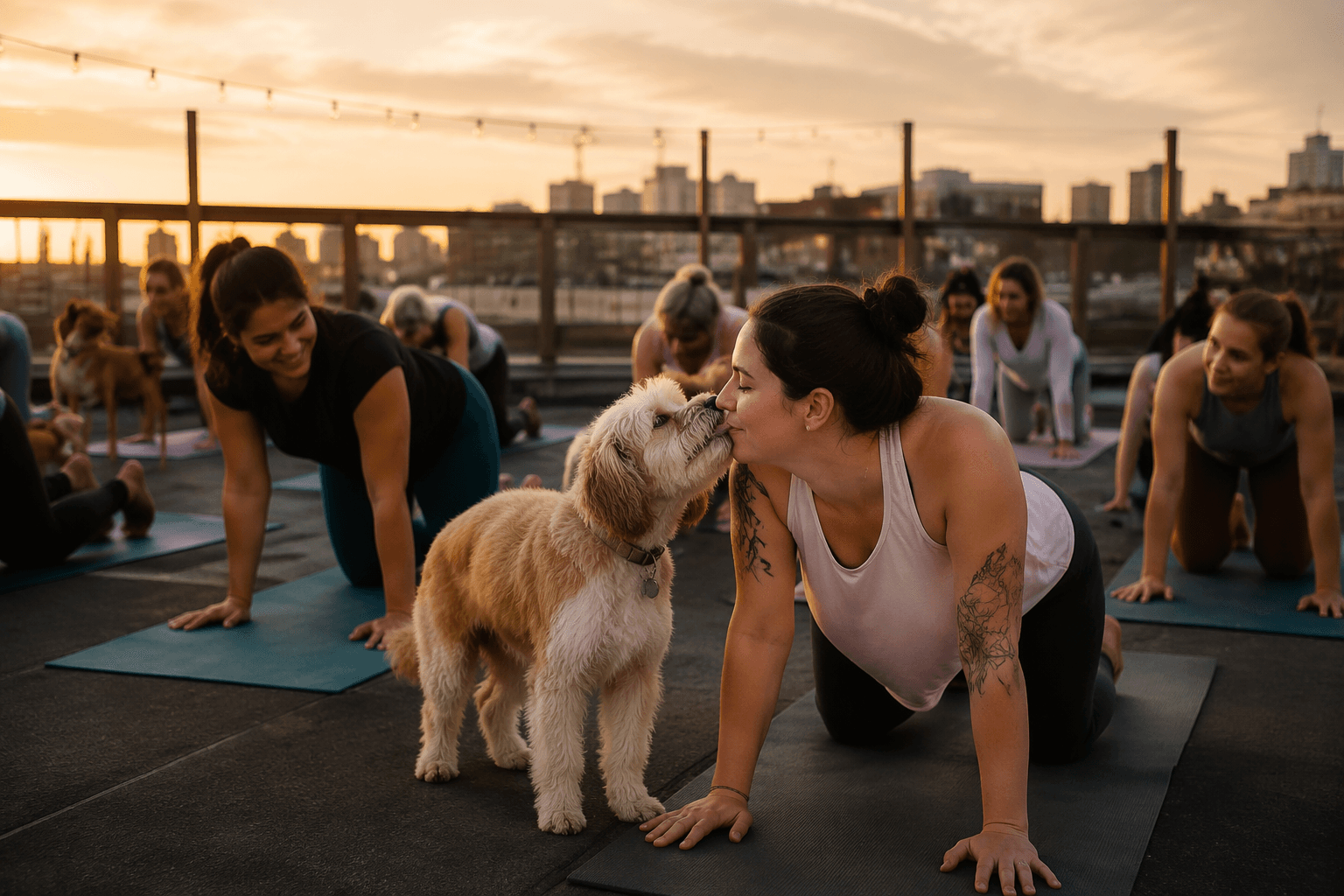
How dog yoga began, and why it is called doga
Mahny Djahanguiri coined doga to separate calm, dog-led yoga from tricks and puppy-play. The real hobby still centers on bonding, not performance.
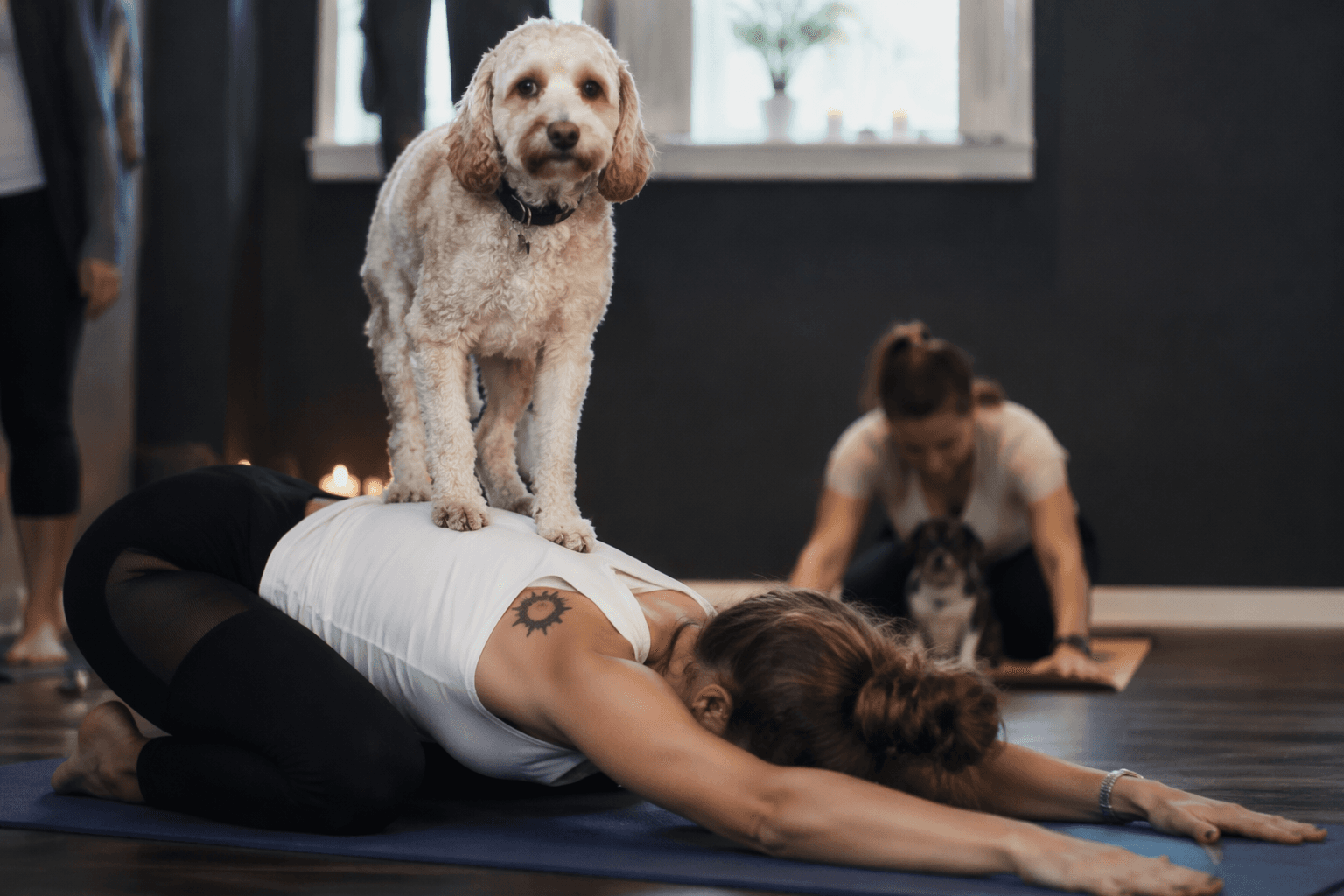
If you want to understand dog yoga as a serious hobby, start with the name. Mahny Djahanguiri built doga around a simple idea: the human does the yoga while the dog takes part on its own terms, without being pushed into tricks or turned into a prop. That naming choice gave the practice a clear identity, and it still separates authentic doga from the louder, more social-media-driven puppy-yoga scene.
How doga got its name
Djahanguiri founded Dogamahny in 2012, and a LinkedIn profile for her says she began teaching doga in 2013 at the Harrods Pet Spa in London. By then, the practice already had the ingredients that would define it for years: a named founder, a repeatable format, and a vocabulary that made it distinct from ordinary yoga classes and from dog training. Hachette UK lists her book, Doga, with an on-sale date of 4 May 2015, which helped fix the term in print as well as in class listings.
That written trail matters because doga never started as an anonymous wellness fad. A 2021 podcast listing describes Djahanguiri as the UK and Europe’s leading founder and author of DOGA and says she leads London-based and international Dogamahny classes, workshops, and teacher training. In other words, this is a practice with a lineage, not just a cute event concept. Even the brand name, Dogamahny, signals that the hobby has its own culture, not just a borrowed yoga mat and a few dogs in the room.
What the original practice was meant to do
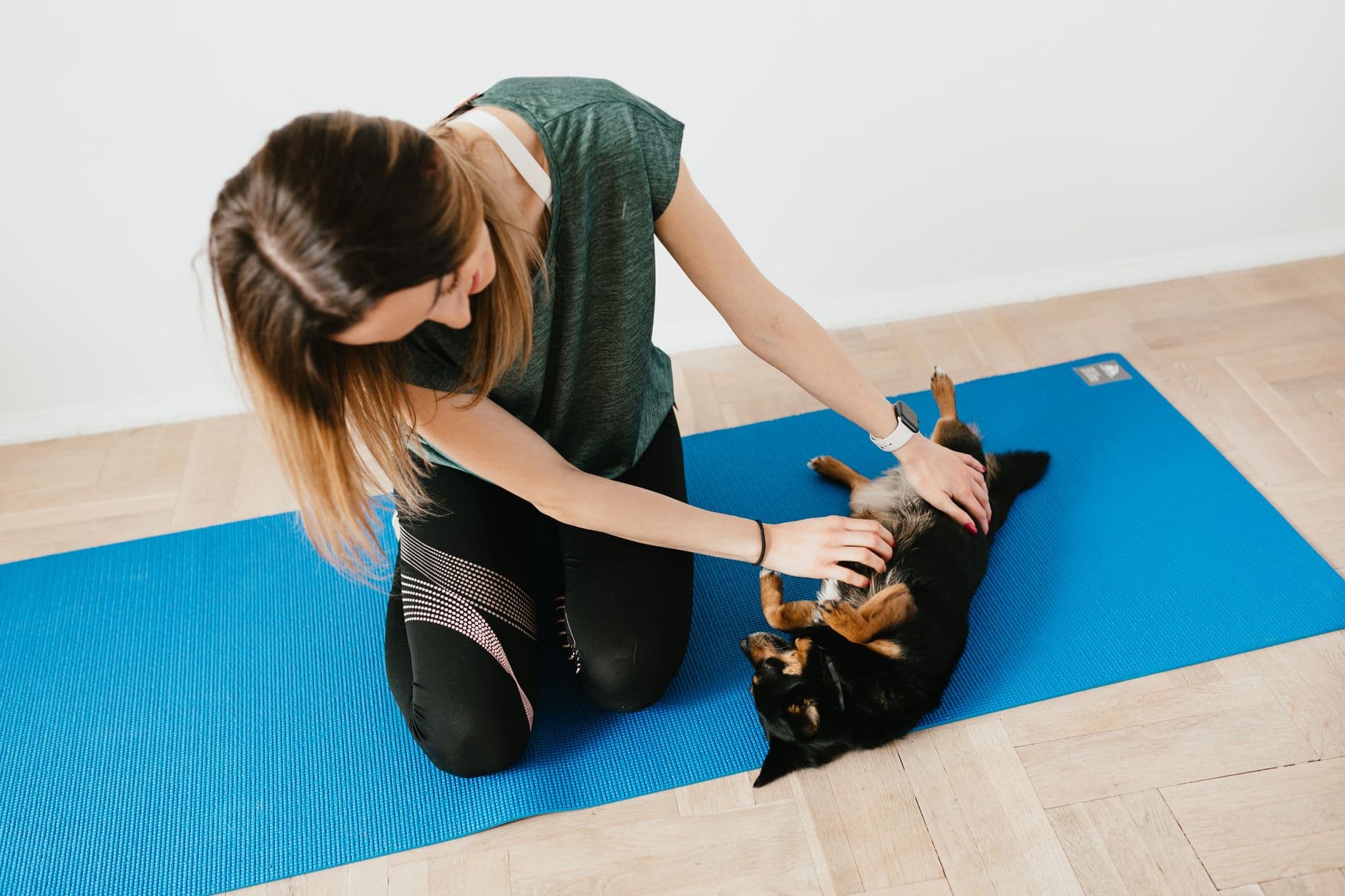
The original framing is straightforward: doga is for you and your dog, not for forcing the dog into poses. Djahanguiri has repeatedly defined it that way, and the logic of the practice follows from there. Dogs are invited to settle near the mat, drift away, return, and share the space without pressure, which makes the session less like a performance and more like a calm shared ritual.
That is why breath, touch, and proximity sit at the center of the experience. In a South China Morning Post video published on 14 February 2018, Djahanguiri described doga as a UK fitness craze and said it is therapeutic and helps people relax and bond with their dogs. That sentence captures the core appeal better than any trend label can: the point is not athletic achievement, but a steadier relationship between handler and animal.
The practice also works because it stays small and adaptable. A living room, a workshop space, or a public wellness event can all hold the same basic idea as long as the dog is allowed to participate willingly. That flexibility is part of why doga has lasted beyond novelty, and why the name mattered so much in the first place.
What you actually encounter in modern doga classes
Public listings show how doga moved from a private bonding practice into visible events across London. The Dogvine advertised a “DOGA (YOGA WITH DOGS) - Masterclass 2” in London in February 2018. In August 2019, the Museum of London hosted “Doga at the Museum of London | National Dog Day,” which put the practice into one of the city’s best-known cultural venues. GemArts also promoted a “DOGA - Yoga for you and your dog plus Q&A (Dogs welcome)” session featuring Mahny Djahanguiri and her Maltese terrier companion, Robbie.
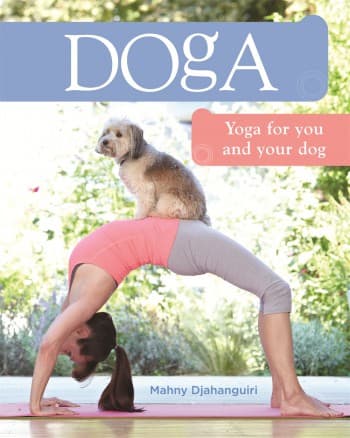
A DesignMyNight listing gives a useful snapshot of the format people can expect now: a 90-minute class built around bonding with dogs through meditation, breathing, and Doga poses. That listing also says yoga mats are not provided, so attendees should bring their own. The details vary from event to event, but the structure usually stays consistent: settle the dog, slow the room down, and keep the emphasis on calm interaction rather than choreography.
When you see the practice in the wild, these are the practical features that tend to define it:
- A shared room where dogs can settle near the mat and move at their own pace
- Gentle breathing and meditation work for the human
- Doga poses that keep the dog included without pressure
- A focus on bonding and calm handling rather than tricks or obedience drills
- Event-specific basics, such as bringing your own mat when the listing says mats are not supplied
That is the difference between doga as a hobby and a dog-themed photo opportunity. The best listings make the dog’s comfort part of the design, not an afterthought.
How to tell real doga from puppy-yoga spectacle
Djahanguiri has drawn a sharp line between her practice and the newer puppy-yoga format. The Dogamahny site says, “This is NOT Puppy Yoga.” That line is more than branding. It points to a difference in intent: authentic doga centers a relationship with a known dog, voluntary participation, and a calm pace, while puppy-yoga events are often built around novelty and audience appeal.
That distinction is useful when you are deciding where to spend your time and money. A class that names the founder, describes the session as dog-led, and explains how the animals can settle, leave, or rejoin is much closer to the original idea. A generic pop-up that treats dogs as a backdrop is something else entirely, even if it uses the same vocabulary.
Doga has lasted because its structure is simple enough to keep its purpose intact. If you walk into a class looking for the original thing, look for Mahny Djahanguiri’s vocabulary: yoga for you and your dog, calm interaction, and a space where the animal is allowed to be itself. That is still the cleanest way to tell whether you are entering doga or just another dog-friendly trend with a mat on the floor.
This article was produced by Prism’s automated news system from verified source data, official records, and press releases, then run through automated quality and moderation checks before publishing. The system is built and supervised by the people who set the standards it runs under. Read our full AI policy.
Did this article answer your question?