Minneapolis pop-up puppy yoga mixes beginner-friendly exercise with playful pups
Kelli Hanson’s puppy-yoga stop shows how a novelty class became a metro wellness staple, but the best events still hinge on short sessions, clear puppy sourcing, and restraint.
The pop-up pitch that made puppy yoga feel normal
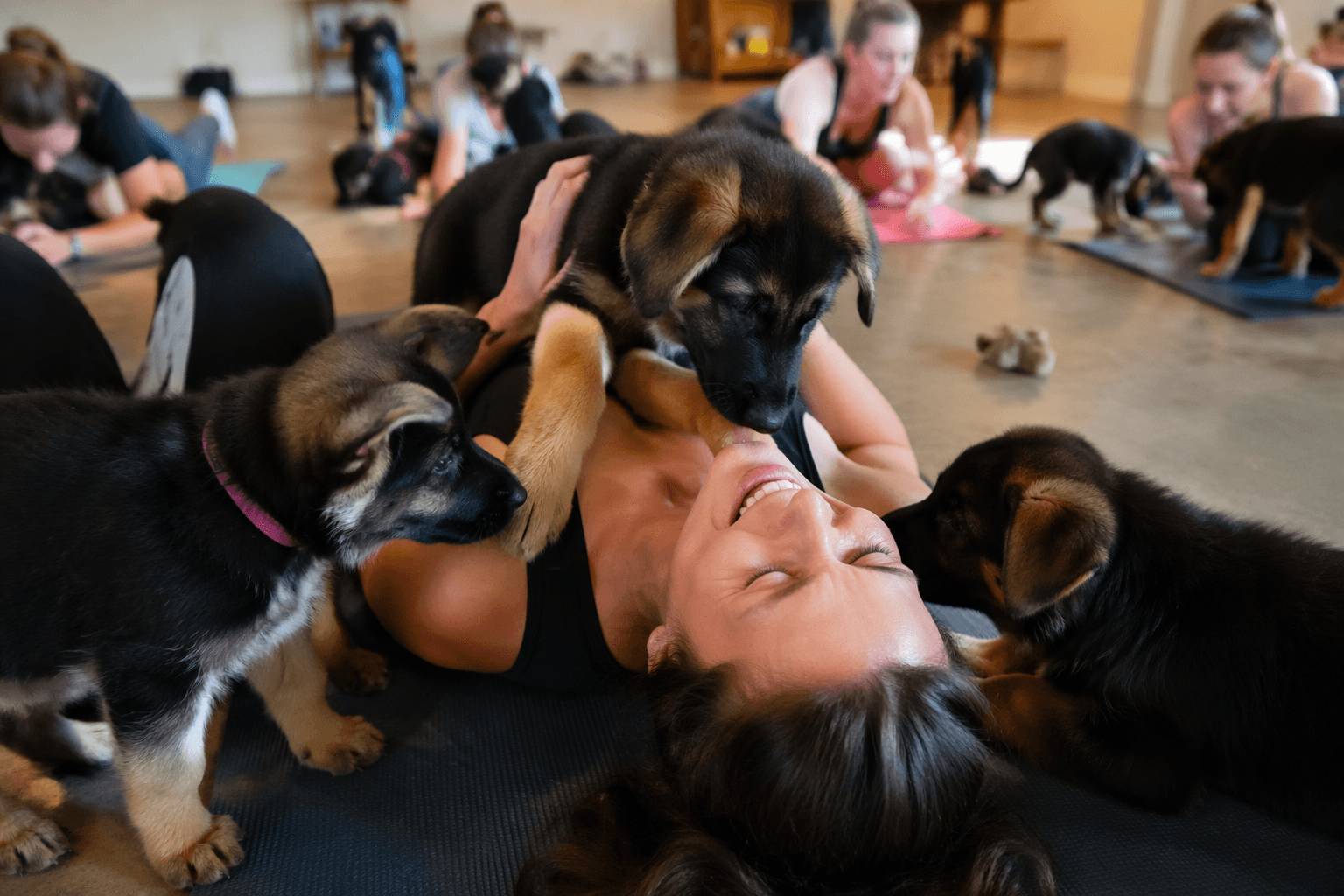
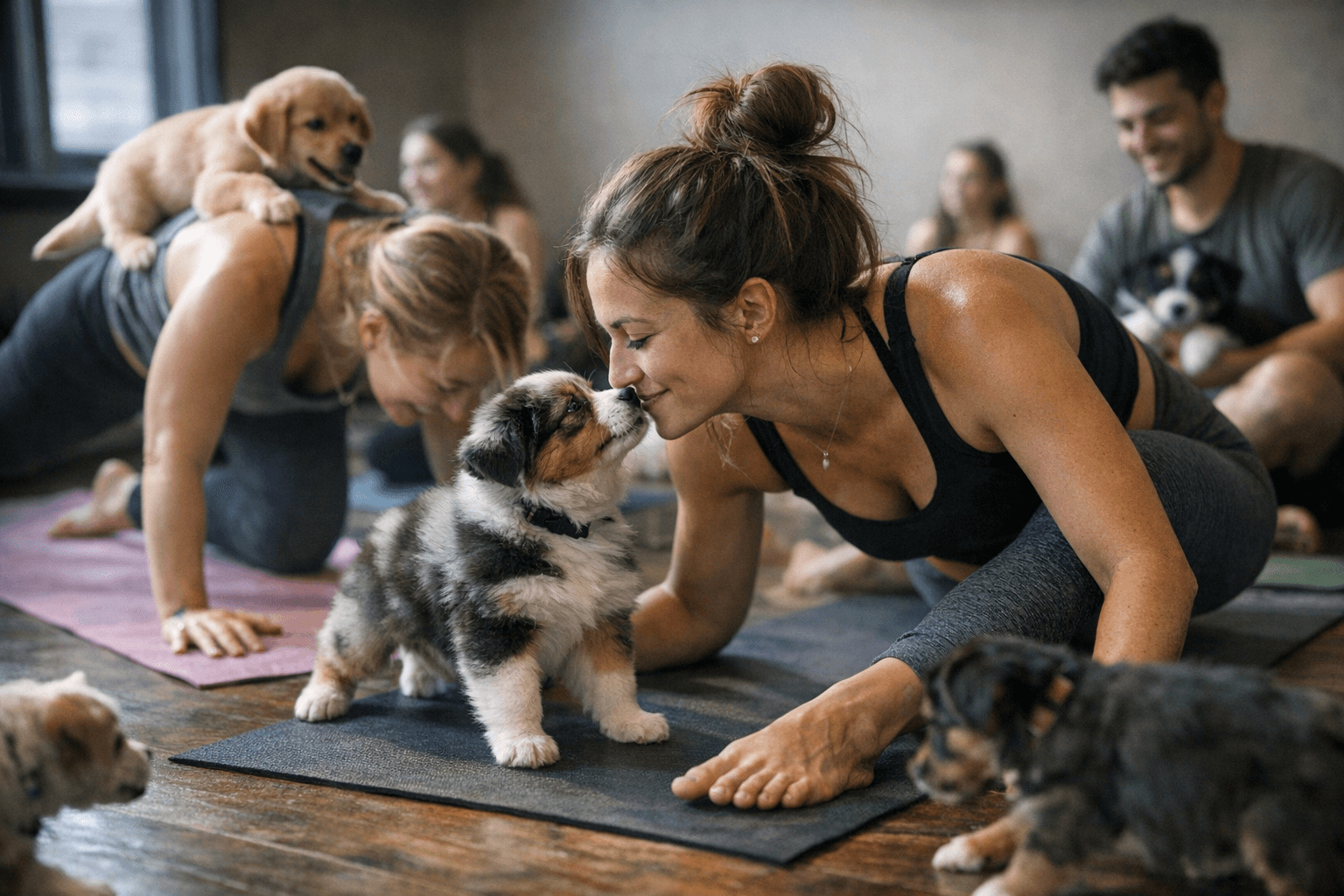
Kelli Hanson’s KSTP-TV stop at a Minneapolis-area pop-up puppy yoga class says a lot about where this trend sits now: it is no longer being sold as a quirky internet stunt, but as an easy local outing that even longtime yogis may not have tried yet. That framing matters because the format works best when it lowers the barrier to entry. Instead of asking people to commit to a hardcore flow, the class is built around a gentle, beginner-friendly experience with puppies moving through the room and a mood that is meant to be playful, not precious.
The local pop-up model makes that even clearer. The business describes itself as a locally owned mother-daughter operation, and it splits the experience into 30 minutes of beginner-friendly yoga followed by 30 minutes of puppy play and cuddles. That is the whole appeal in one line: enough structure to feel like a class, enough puppy time to feel like an event, and no pressure to perform. For a lot of people, that is exactly why puppy yoga has moved from novelty to mainstream wellness programming in Minneapolis.
Why this version of puppy yoga is spreading
Pop-up puppy yoga is easy to scale because it does not rely on one permanent studio or one fixed litter. The organizer can move around the metro, partner with different venues, and match each session with a specific breed source or rescue setup. That flexibility is one reason the format has started to look less like a one-off gimmick and more like a small-business template for wellness entertainment.
The examples in Minnesota make that plain. One listed session on April 11 was held at The Lora Event Center in Stillwater and featured French Bulldog puppies from Sunshine’s French Bulldogs. Another ticket page lists an April 18 session at Studio One Yoga in Roseville with Golden Retrievers. That kind of venue-hopping helps the format feel local and fresh, while also making it easier to market around recognizable breeds, seasonal dates, and neighborhood-friendly spaces.
There is also a simple on-ramp for first-timers. A 30-minute yoga block is short enough that people who are more interested in the puppy part do not feel trapped in a full-length workout, and the 30-minute play window gives the room a social, photogenic energy that reads well on TV and social media. In other words, this is wellness that knows how to be watched.
What the best-run events have in common
The cleaner examples do a few things right, and the first is transparency. The organizer’s page spells out the format, the timing, the venues, and the puppy source. That helps participants understand what they are buying before they show up, which matters in a space where expectations can get fuzzy fast.
The second thing is pacing. Short sessions are not just more beginner-friendly, they are also more defensible from a puppy-care perspective because they avoid turning young dogs into all-day props. The local pop-up’s 30-minute yoga and 30-minute puppy-play split is a lot more reassuring than a vague open-ended mingle. A 2025 Minneapolis review of Puppies and Yoga described a different but similarly structured class, 75 minutes total with 45 minutes of yoga and 30 minutes of puppy play, five sessions each weekend day, at $70 a class. That is useful as a comparison point because it shows how this category has already developed a recognizable playbook: controlled time blocks, repeated sessions, and a ticketed format that feels closer to an experience than a drop-in class.
The smartest operators also make the event readable at a glance. A breed listing, a venue name, and a defined schedule tell you more than a glossy photo ever will. If a puppy yoga event cannot tell you who is providing the dogs, how long the session lasts, or where it is happening, that is a warning sign.
Dog-safe or just photogenic?
This is where puppy yoga stops being cute and starts being a real welfare question. The American Veterinary Medical Association says the best socialization window for puppies is between 3 and 14 weeks, which is exactly why these events can be useful when they are handled well. Done carefully, a room full of people, new surfaces, and mild handling can help young dogs get comfortable with the world they are about to live in.
But the AVMA also warns that animal-assisted-intervention programs can raise concerns about behavioral problems and zoonotic disease risks. That is the part people tend to skip when the puppies are running around looking like a living mood board. Puppies are still developing, immune systems are still maturing, and a crowded room of enthusiastic adults can cross the line from enrichment into stress if the structure is sloppy.
That is why the useful question is not whether puppy yoga is adorable. It is whether the event respects puppy rotation, limits exposure, and keeps the dogs from being handled into exhaustion. The organizers that look most credible are the ones who make the session brief, identify the puppy source, and avoid the sloppy, open-ended atmosphere that turns a wellness class into a petting zoo.
The breeding and oversight problem nobody should ignore
The larger welfare issue is bigger than one class. The American Society for the Prevention of Cruelty to Animals says the Animal Welfare Act is the only federal law setting requirements for commercial breeding facilities, and it says standards are inadequate and oversight gaps remain. That matters in puppy yoga because the cuteness of the class can hide the supply chain behind it. If the puppies come from a commercial breeder, the real question is whether the breeder is operating in a way that actually protects the dogs, not just the ticket sales.
That is also why KSTP’s light, curiosity-driven segment lands with more weight than it might seem to at first glance. The story is about a fun local experience, but the format sits right on top of issues that affect daily pet life: socialization, handling, disease exposure, and the quality of the breeding source. Once you know that, puppy yoga is no longer just a photogenic class. It is a test of whether a wellness trend can be organized in a way that is genuinely good for the animals at the center of it.
What to look for before you go
The events worth your money and time are the ones that behave like structured experiences, not vague puppy chaos. Look for clear start and end times, a defined split between yoga and play, a named venue, and a visible puppy source. The best versions feel calm, short, and controlled, which is exactly what both beginners and young dogs need.
That is why the Minneapolis pop-up is more than a feel-good clip. It shows puppy yoga maturing into a real local category, one that can work as a beginner-friendly wellness outing only if the dogs are treated like participants, not props.
This article was produced by Prism’s automated news system from verified source data, official records, and press releases, then run through automated quality and moderation checks before publishing. The system is built and supervised by the people who set the standards it runs under. Read our full AI policy.
Did this article answer your question?