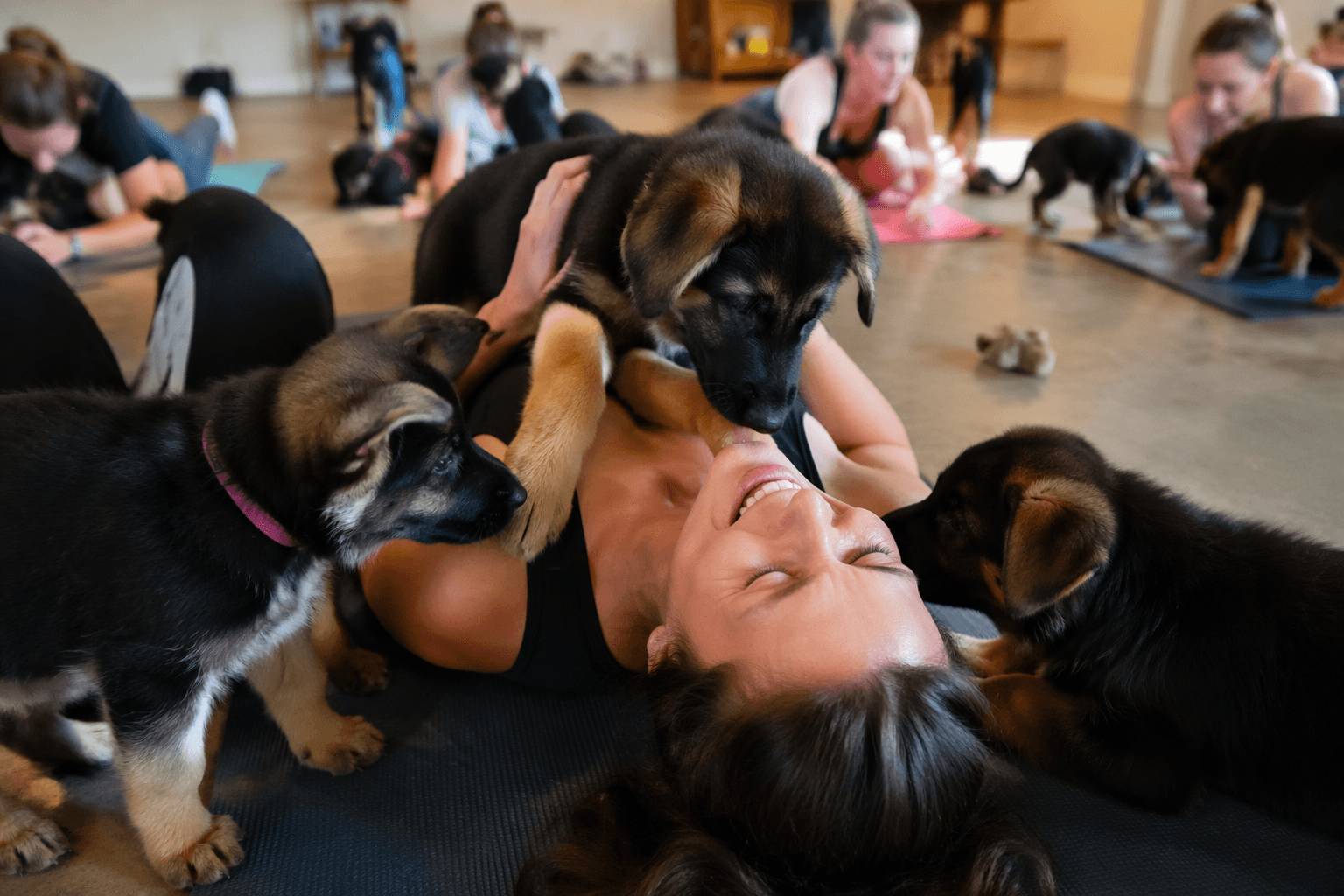
Redwood City corgi puppy yoga spotlights growing trend, and welfare concerns
Redwood City's corgi puppy yoga draws locals with beginner-friendly classes, but the cuteness comes with real questions about puppy rest and welfare.
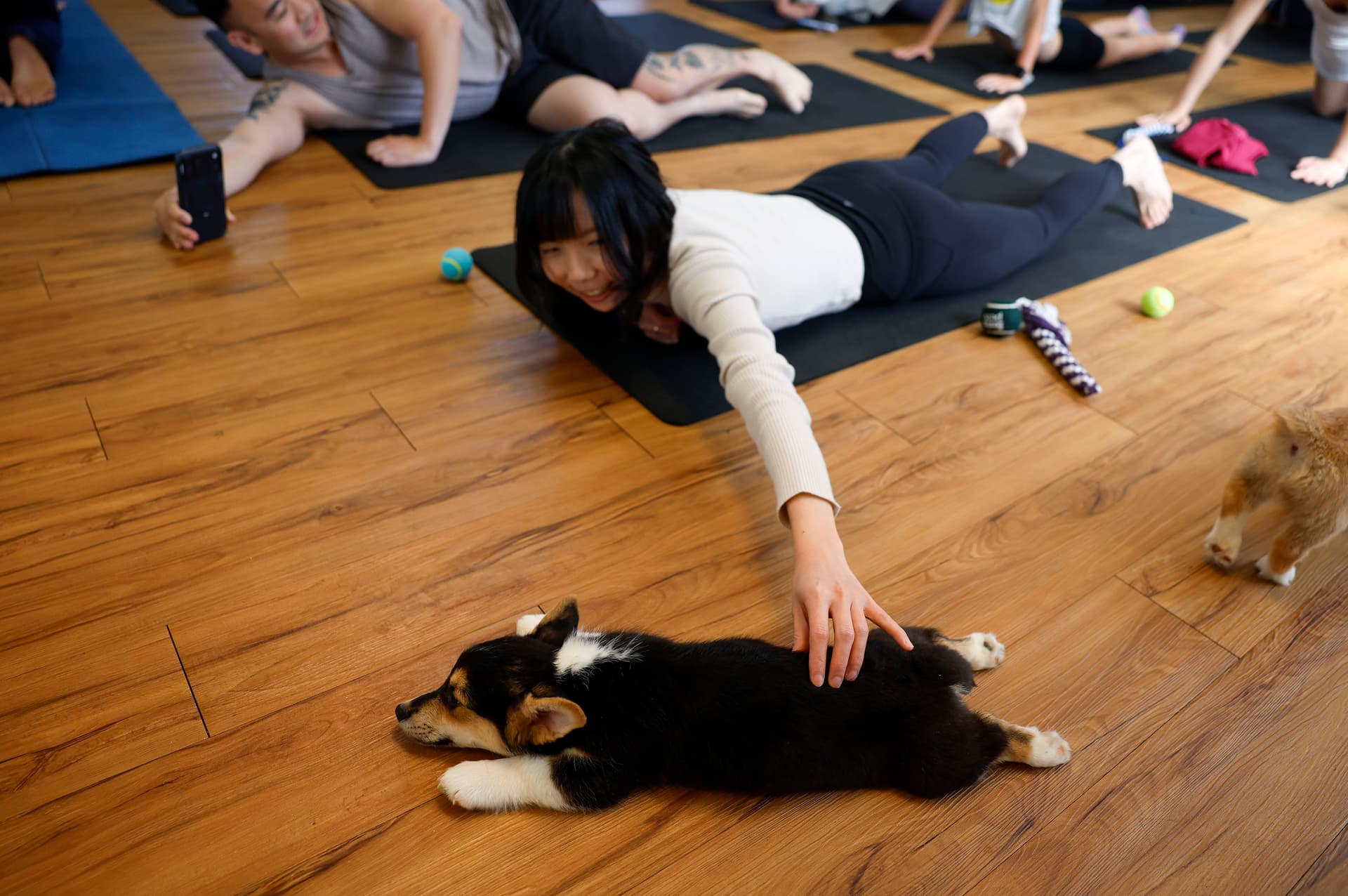
A Redwood City class built for first-timers and puppy fans
Puppy Paws Yoga’s Redwood City class leans hard into the appeal that keeps this format filling up: a 75-minute session that splits neatly into 45 minutes of gentle yoga and 30 minutes of puppy cuddle time. At $59, with beginner-friendly instruction and no advanced experience required, it is designed less like a serious workout and more like a low-pressure community outing where the goal is to leave relaxed, smiling, and covered in a little dog hair.
The schedule itself shows why the class has traction. The Redwood City listing included multiple time slots on May 10, from 9:00 AM through 4:00 PM, and featured both corgis and golden retrievers. That mix matters. It gives the event broad appeal, from people who want a wellness reset to families looking for an easy, animal-centered outing that feels local, social, and accessible.
Why this kind of event keeps spreading
The Redwood City class is part of a much older idea than many casual observers realize. Puppy yoga, often traced back to the early 2000s, grew out of a precursor known as doga, or dog yoga, which was taking shape in the United States around 2002 and had spread to Britain by 2004. What looks like a social-media-era novelty is actually a long-running blend of movement, companionship, and cute spectacle.
That history helps explain why the format remains sticky. The appeal is not just puppies on yoga mats. It is the combination of soft fitness, easy entry, and a built-in social scene. A class like the one in Redwood City offers something many people want right now: an activity that feels wellness-adjacent without demanding perfect poses, high intensity, or prior experience.
What the Redwood City listing promises
Puppy Paws Yoga’s Redwood City page makes the setup sound intentionally welcoming. The class is open to all skill levels, led by experienced instructors, and built around gentle yoga and relaxation techniques. The minimum age is six, and younger children must be supervised by an adult, which signals that the class is meant to be family-friendly but still structured.
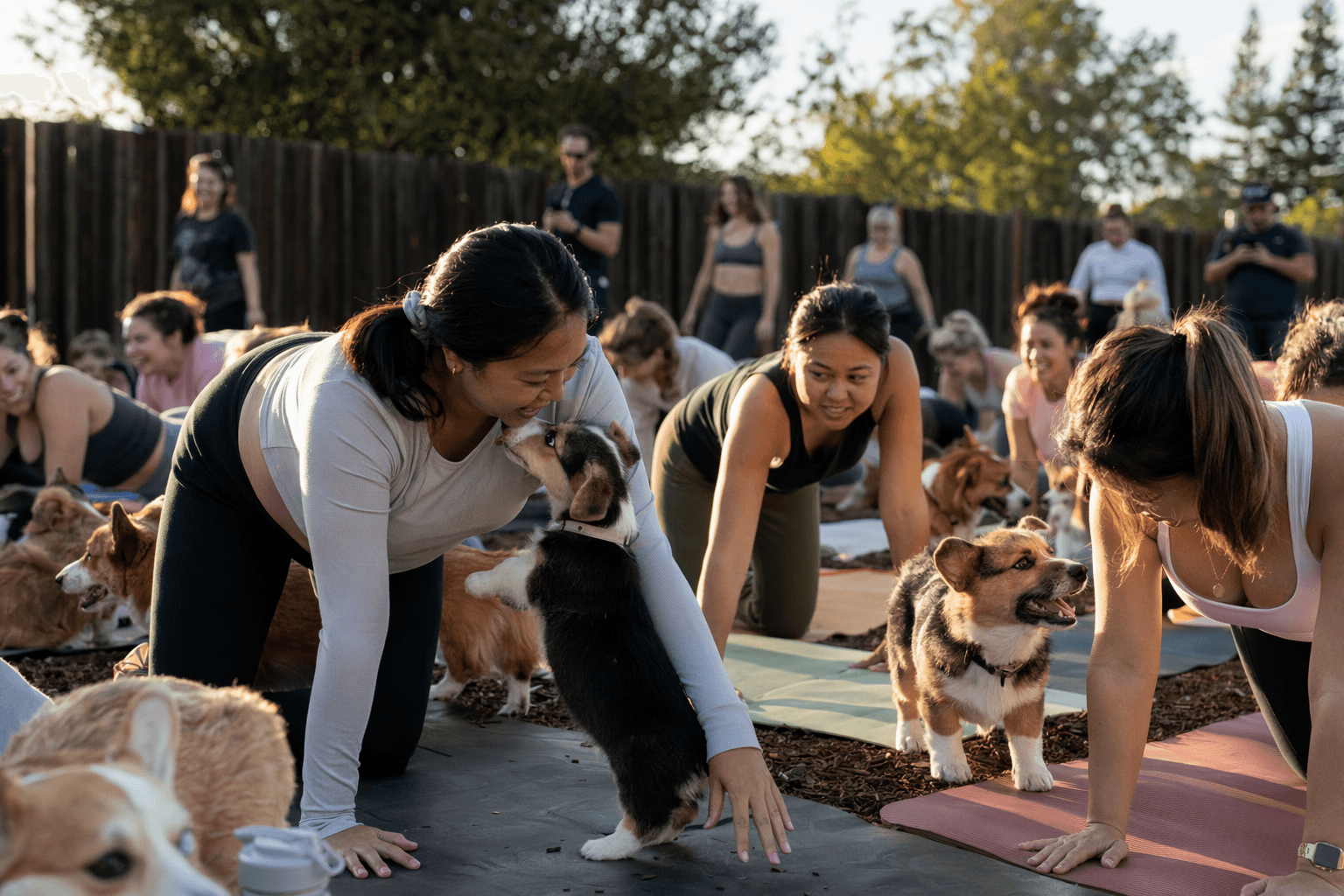
That structure is part of the draw. It keeps the event from feeling like a chaotic meet-and-greet and instead frames it as a guided wellness session with a puppy component. For local attendees, the value is straightforward: one outing delivers movement, photos, and time with adoptable-style puppy energy in a setting that is designed to feel easy rather than intimidating.
The welfare questions that sit underneath the cute branding
The same features that make puppy yoga popular are also what have drawn criticism. The Mercury News framed the trend as familiar, but not automatically benign, noting that some puppy yoga programs have faced pushback when they appear to rely on puppies that are too young or place animals in stressful environments that interfere with sleep and comfort.
Mia Cobb, an animal-welfare scientist at the University of Melbourne, argues that yoga-with-animals often puts human wellbeing ahead of animal welfare. She points to a recent UK investigation reporting puppies as young as six weeks old denied sleep and water, kept in hot rooms for hours, and given no real way to opt out of interactions. Cobb says that kind of setup can turn an apparently gentle event into a welfare problem if the puppies are treated like props instead of animals with limits.
That concern lands especially hard because puppy socialization is important only when it is done well. The critical developmental window is roughly 3 to 14 weeks, which means early experiences can have a lasting effect. Positive, controlled exposure can help; stressful or overhandled exposure can shape fear and anxiety instead. In other words, more interaction is not automatically better. The quality of the interaction is what matters.
Why rest, handling, and timing matter so much
The American Kennel Club’s guidance on puppy sleep adds another piece to the picture. Puppies typically sleep 18 to 20 hours a day, and that rest is essential to healthy growth. A class that keeps dogs overstimulated, overheated, or constantly available to strangers risks cutting into the downtime they need most.

The RSPCA makes a similar point from a welfare perspective: socialization should be positive, controlled, and with trusted handlers, not simply more interactions for their own sake. That distinction is crucial for puppy yoga, where the whole premise depends on touching, holding, and being around young dogs. The best version of the experience is one that treats rest and consent-like boundaries as part of the design, not an afterthought.
What regulation and local care standards add to the discussion
The broader policy backdrop shows why puppy yoga is being taken more seriously than a cute one-off event. In England, the Department for Environment, Food & Rural Affairs treats animal-related businesses through animal activities licensing rules, which underscores how animal-centered entertainment can raise questions about care standards and oversight. That does not directly govern Redwood City, but it shows where the debate is heading: toward clearer expectations for businesses that mix live animals with public-facing recreation.
Closer to home, San Mateo County Health’s animal-control guidance says animals must receive proper food, water, shelter, and veterinary care. That is basic, but it is also the right benchmark for any live-animal wellness event. If a class relies on puppies for its charm, then the puppies’ needs have to come first, including the chance to rest, cool down, and avoid being handled beyond what is appropriate.
Why the Redwood City class resonates right now
That is what makes the Redwood City corgi session worth paying attention to. It is not just another cute class on a crowded calendar. It sits at the intersection of three things people care about right now: mental reset, local experiences, and animal-centered entertainment. The fact that it is beginner-friendly, reasonably priced at $59, and built around a clear split between yoga and cuddle time helps explain why the format keeps pulling in interest.
At the same time, the welfare questions are not a footnote. They are part of the story. Puppy yoga can be a joyful community event when it is carefully managed, age-appropriate, and built around the dogs’ needs as much as the humans’ enjoyment. In Redwood City, that balance is what will determine whether the class feels like a wholesome neighborhood ritual or just another fleeting internet-friendly novelty.
This article was produced by Prism’s automated news system from verified source data, official records, and press releases, then run through automated quality and moderation checks before publishing. The system is built and supervised by the people who set the standards it runs under. Read our full AI policy.
Did this article answer your question?