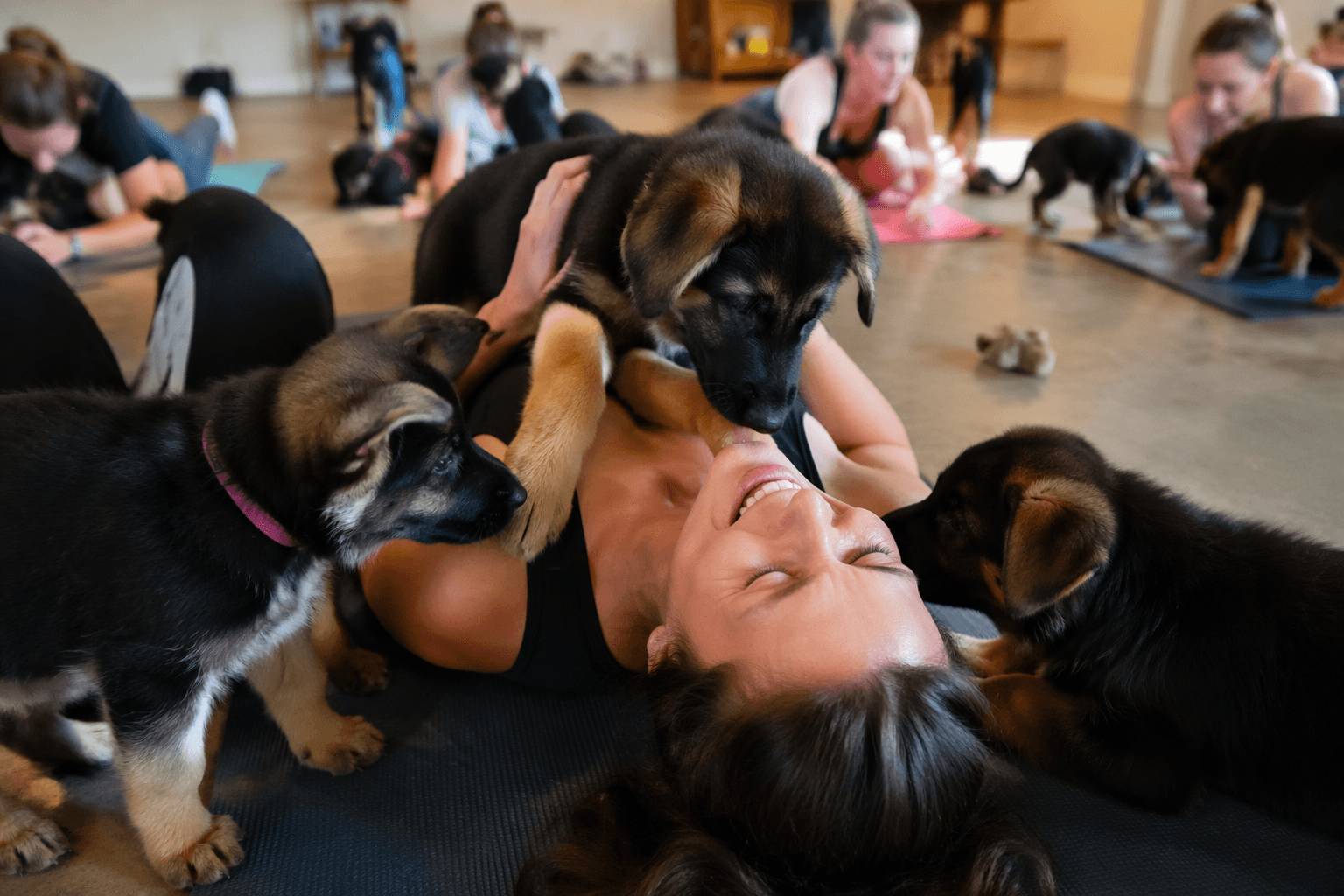
UConn Students Can Stretch and Bond with Therapy Dogs at Doga Sessions
Tildy and Carson returned to UConn's campus doga on April 2, pairing gentle yoga with supervised therapy dog interaction for students seeking spring stress relief.
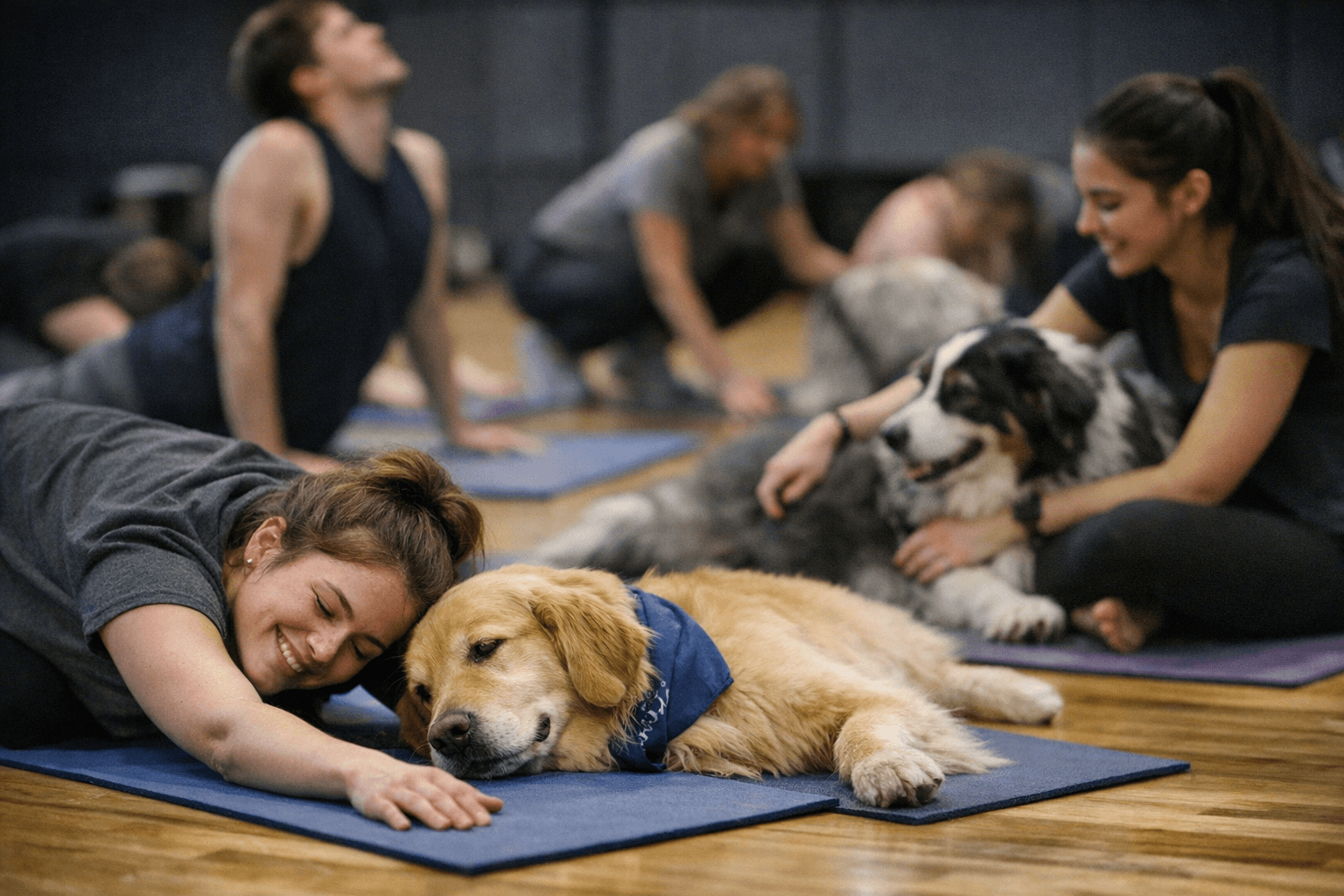
Tildy and Carson came back. UConn's April 2 doga session at the University of Connecticut marked another installment in what has become a recurring campus wellness offering: a gentle yoga flow run alongside supervised therapy dog interactions, open to anyone in the university community regardless of whether they'd ever stepped on a mat or owned a dog.
The session was guided by UConn's wellness partners and built for genuine accessibility. Yoga mats were provided on-site; participants were encouraged to bring their own if preferred. The practice stayed low-impact throughout, explicitly designed for all experience levels, making it as viable for a first-timer as for someone maintaining a regular yoga routine. No prior experience with yoga or dogs was required to participate.
The event listing described the design plainly: "Tildy and Carson make a return for more gentle stretches and playfulness, guided by our wellness partners. Yoga mats will be provided, but we encourage..." The word "return" does real work in that sentence. It means these dogs and their handlers had already established behavioral baselines at UConn sessions, that participants encountered familiar, calm animals rather than an unpredictable first meeting, and that the university chose to invest in continuity rather than novelty.
That institutional continuity is what separates a successful recurring doga program from a one-off event. The session was routed through UConn's public events calendar, meaning registration, capacity limits, and campus-specific requirements such as health guidance or proof of affiliation all flow through a single, publicly accessible system. Students who don't own pets are the intended beneficiaries of the therapy dog model: Tildy and Carson supplied the canine presence, meaning the benefits of human-animal contact, including reduced cortisol and elevated oxytocin, were available to anyone who registered, with no dog ownership required.
The UConn approach distills doga into its most transferable form: gear provided on-site, named therapy animals with established behavioral baselines, beginner-friendly framing that removes the intimidation of a traditional yoga class, and registration handled through a public-facing calendar that manages capacity without friction. Tildy and Carson's status as returning participants, not first-timers, is what holds it together.
This article was produced by Prism’s automated news system from verified source data, official records, and press releases, then run through automated quality and moderation checks before publishing. The system is built and supervised by the people who set the standards it runs under. Read our full AI policy.
Did this article answer your question?