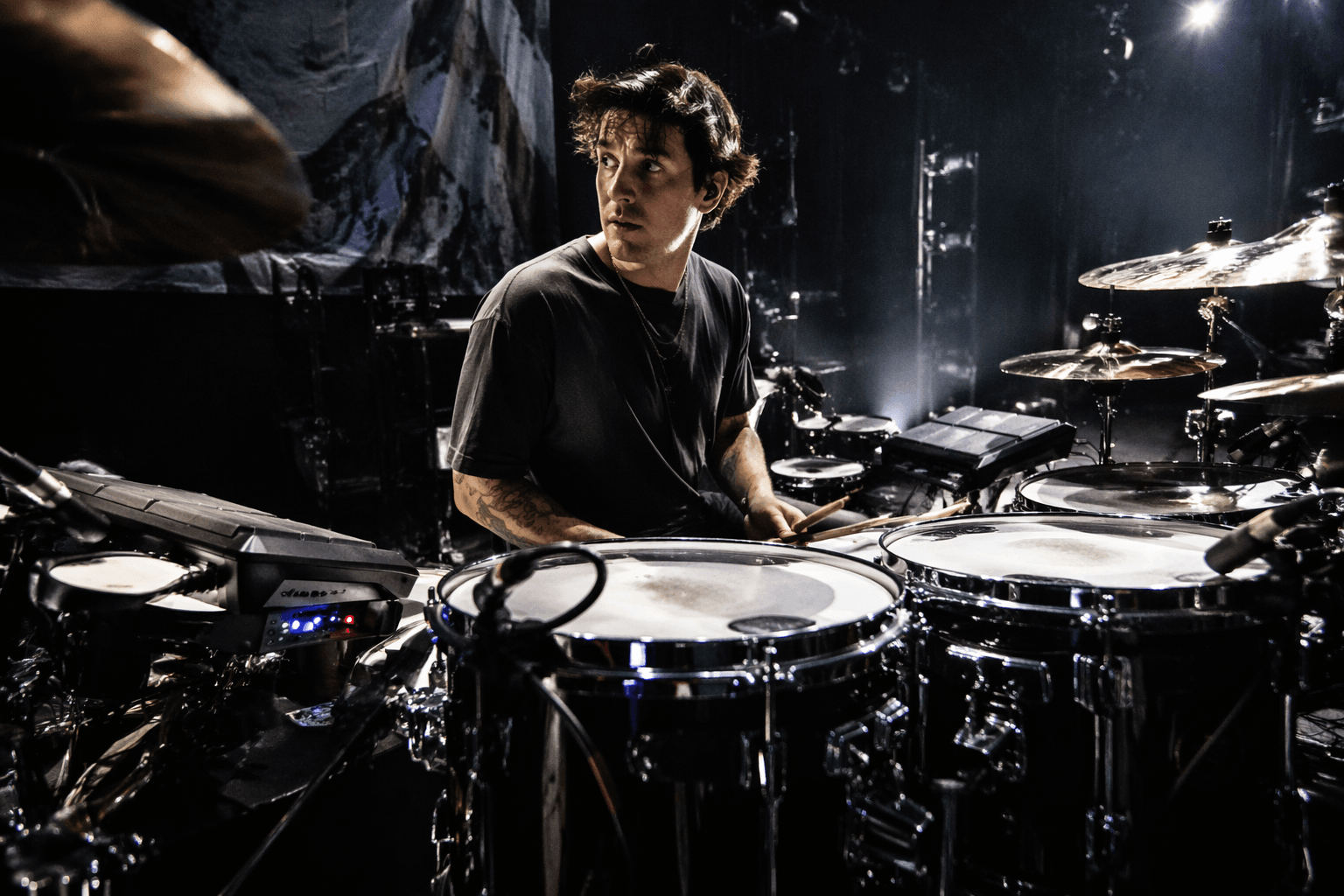
Beverley Johnston’s Finding Her Voice blends percussion, identity, and Canadian composers
Beverley Johnston turns percussion into autobiography on a seven-track album that pairs Canadian composers with improvisations about voice, memory, and female identity.
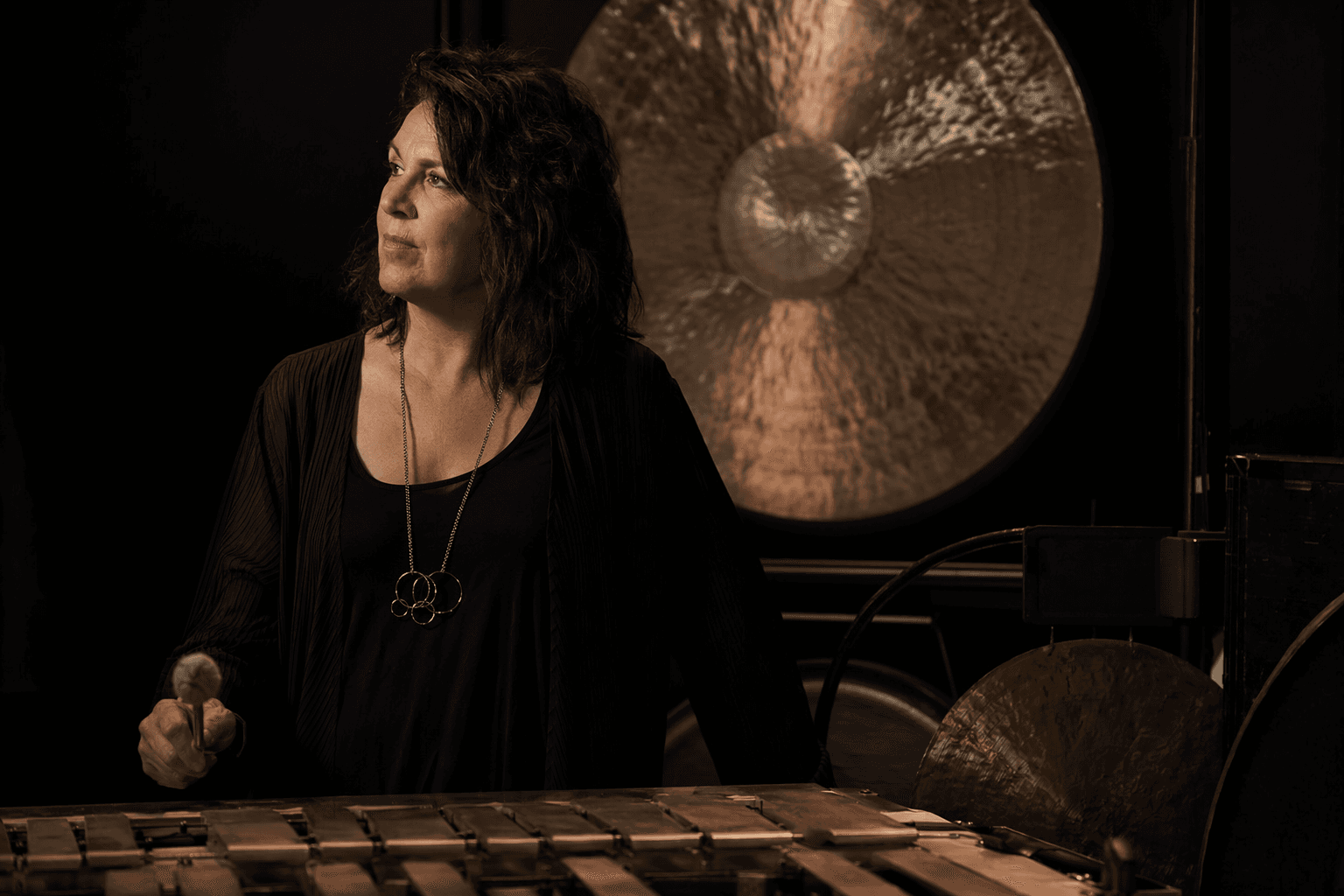
A percussion album with something to say
Beverley Johnston’s *Finding Her Voice* is not built to impress with sheer athleticism alone. It uses percussion as a storytelling tool, with Johnston shaping a release that ties identity, history, and musical voice together through Canadian repertoire, structured improvisation, and a strikingly personal artistic frame.
The album arrives as Johnston’s 8th solo release and runs about 45 minutes across 7 tracks. That compact format gives the project a clear arc, and Johnston uses it to make a bigger point: percussion can carry biography, symbolism, and emotional weight just as powerfully as melody or text.
What’s on the record
The album includes works by Julie Spencer, Christos Hatzis, Samuel Kerr, Frederic Rzewski, and David Jaeger, along with two structured improvisations by Johnston herself. The track list includes “Angels in Arches of Hildegard’s Bingen,” “Eris,” “Meditations II,” “November,” “To the Earth,” “Lyrics II,” and “The Crystal Gazer,” titles that already signal a world of imagery, reflection, and character.
Apple Music Classical credits Johnston on vocals, marimba, narrator, percussion, gong, and vibraphone, and that instrumentation matters. This is not a one-color percussion record. It is a multi-voiced performance document in which sound, speech, resonance, and gesture all help carry the album’s meaning.
Why the programming feels like a statement
The strongest idea behind *Finding Her Voice* is not just that Johnston plays contemporary Canadian music. It is that she curates a narrative about women, voice, history, and artistic agency, using repertoire to move from interpretation into authorship. Navona Records describes the album as a journey through sound, history, and identity centered on the search for voice through iconic and historic female figures, and that framing gives the music a clear cultural purpose.
That is where the project becomes especially relevant to percussionists. Johnston is not presenting percussion as a technical showcase that happens to contain interesting repertoire. She is showing how the instrument family can communicate lived experience, whether through the reflective pull of a title like “November,” the mythic charge of “Eris,” or the spiritual and historical associations evoked by “Angels in Arches of Hildegard’s Bingen.”
The structured improvisations deepen that idea. Rather than standing apart from the composed works, they help frame the record as a personal journey, which makes the album feel less like a set of pieces and more like a musical argument about identity and voice.
A career built on expanding the repertoire
Johnston’s authority on this material comes from decades of work at the center of Canadian percussion. The Percussive Arts Society says she has been at the forefront of percussion repertoire development for more than four decades and has commissioned, performed, and/or recorded music by more than 60 Canadian composers. That kind of record explains why this album feels grounded in history rather than assembled for novelty.
Her influence reaches beyond recording. The Canadian Music Centre named her an Ambassador in 2009, recognizing her commitment to Canadian composers, and Johnston’s biography says works she has commissioned and performed have become staples of the standard percussion repertory. Born on June 4, 1957, she has helped define what Canadian percussion can sound like across concert stages, recording sessions, and premieres.
Her recent recognition underscores that trajectory. In 2026, the Ontario Arts Council announced that she was the laureate of the 2025 Oskar Morawetz Award for Excellence in Music, and the assessors praised her commitment to commissioning and premiering new works that expanded the Canadian repertoire. That award matters here because *Finding Her Voice* sounds like the latest chapter in the same long project: making sure percussion repertoire grows in depth, not just in difficulty.
From concert hall to teaching studio
Johnston’s impact also extends into teaching, which gives her work a practical reach for the next generation. She teaches at the University of Toronto, bringing the same repertoire-minded perspective into education that has shaped her performing career. That matters in a field where percussionists often have to build careers by commissioning, collaborating, and defining their own artistic lanes.
Her performance history shows the same pattern. Johnston has a long association with the Banff Centre for Arts and Creativity, including a premiere of Dinuk Wijeratne’s *The Spirit and the Dust* in 2016 and further teaching, coaching, and performance work there in 2024. That combination of premiere experience and ongoing mentorship makes *Finding Her Voice* feel less like a standalone project and more like a document from an artist who has spent decades enlarging the role of percussion in Canadian concert life.
What percussionists should take from it
The real takeaway is simple: this album argues that percussion can tell you who a musician is, not just how well they can play. Johnston’s use of vocals, narration, marimba, gong, vibraphone, and structured improvisation turns the record into a study in presence, memory, and authorship.
For percussionists who want to move beyond technique, *Finding Her Voice* points toward a broader standard. The music does not ask for attention because it is loud or fast. It asks for attention because it means something, and in Johnston’s hands, that is exactly where percussion earns its largest role.
This article was produced by Prism’s automated news system from verified source data, official records, and press releases, then run through automated quality and moderation checks before publishing. The system is built and supervised by the people who set the standards it runs under. Read our full AI policy.
Did this article answer your question?