Bjooks charts 60-plus vintage drum machines in new illustrated history
Bjooks’ Beat Gems maps 60-plus drum machines from the Wurlitzer Sideman to the MPC60, showing how machine grooves rewired modern drumming.
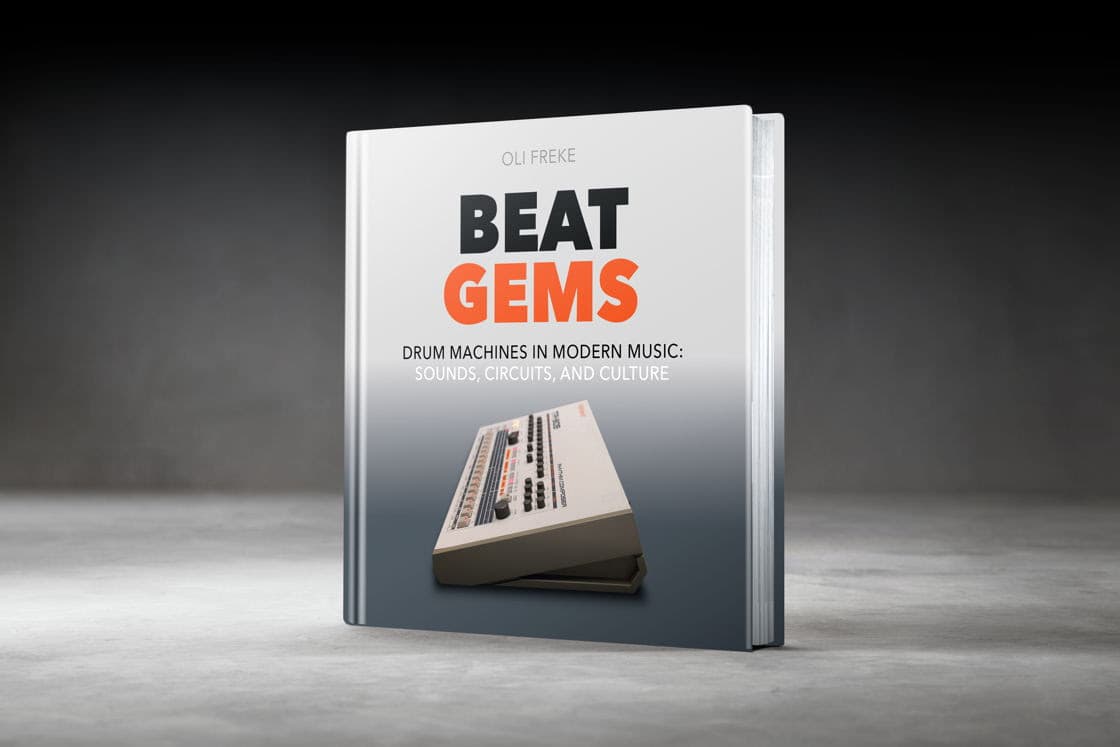
Drum-machine history is not just for programmers and synth heads. Bjooks’ Beat Gems: Drum Machines in Modern Music goes straight at the machines that changed what a groove could be, from the first commercial rhythm boxes to the hardware that helped define hip-hop, house, techno, and modern beat-making. For drummers who live on acoustic kits, that matters because the vocabulary of the last 50 years was shaped just as much by sequencers and samples as by sticks and cymbals.
The book pulls that story through a handful of touchstones every player will recognize. The Wurlitzer Sideman, created in 1959, was the first commercially available drum machine. The Roland TR-808, built from 1980 to 1982 with about 12,000 units made, went from a commercial misfire to one of the most recognizable timbres in electronic music. The Linn LM-1, released in 1980, was one of the first programmable drum machines and the first to use sampled acoustic drums, while the Akai MPC60, launched in 1988, fused sampling and sequencing into a production workflow that became foundational in hip-hop.
Bjooks says Beat Gems is a premium hardcover with 336-plus full-color pages, more than 100 drum machines featured and 65-plus covered in detail. It is printed in Denmark on FSC paper and arranged as a tour through invention, standardization, creative misuse, programmability, studio control, integrated production systems, genre-defining machines, and hardware revival. That structure gives the book more than catalog appeal. It reads like a map of how rhythm technology moved from accompaniment box to creative engine.
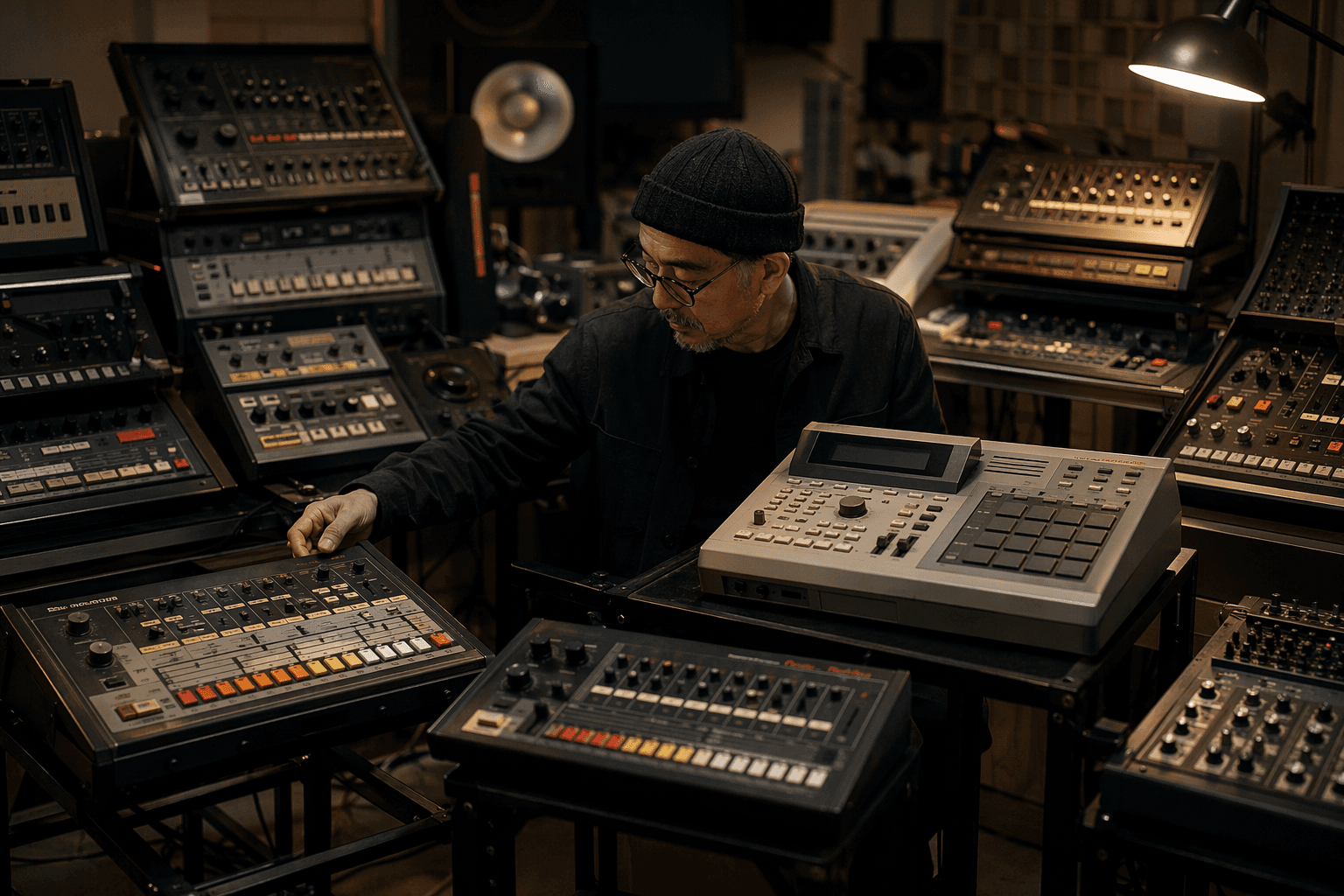
Oli Freke frames the machines as cultural objects, not just gear, with design philosophy, sonic character, and visual documentation carrying the narrative. That approach is the right one for a book like this, because the influence of these boxes shows up everywhere now: in the tight, quantized push of programmed pop drums, in the snare choices producers ask for, and in the hybrid setups that blur acoustic performance and machine logic.
The Kickstarter campaign was extended through 7 June 2026, with backers able to save €20 on the book, and Kickstarter marked the project as one of its featured Projects We Love. Shipping is set for October 2026. For anyone who plays a real kit but has had to think like a beat-maker, Beat Gems lands in the space where drum history stopped being about hardware alone and started becoming part of the language of the instrument.
This article was produced by Prism’s automated news system from verified source data, official records, and press releases, then run through automated quality and moderation checks before publishing. The system is built and supervised by the people who set the standards it runs under. Read our full AI policy.
Know something we missed? Have a correction or additional information?
Submit a Tip