Carmine Appice Anchors CACTUS Blues-Rock All-Star Album with Veteran Power
Carmine Appice released Temple Of Blues II with CACTUS, pulling in Dee Snider, Ted Nugent, Billy Sheehan, and Eric Gales for a heavyweight blues-rock collection.
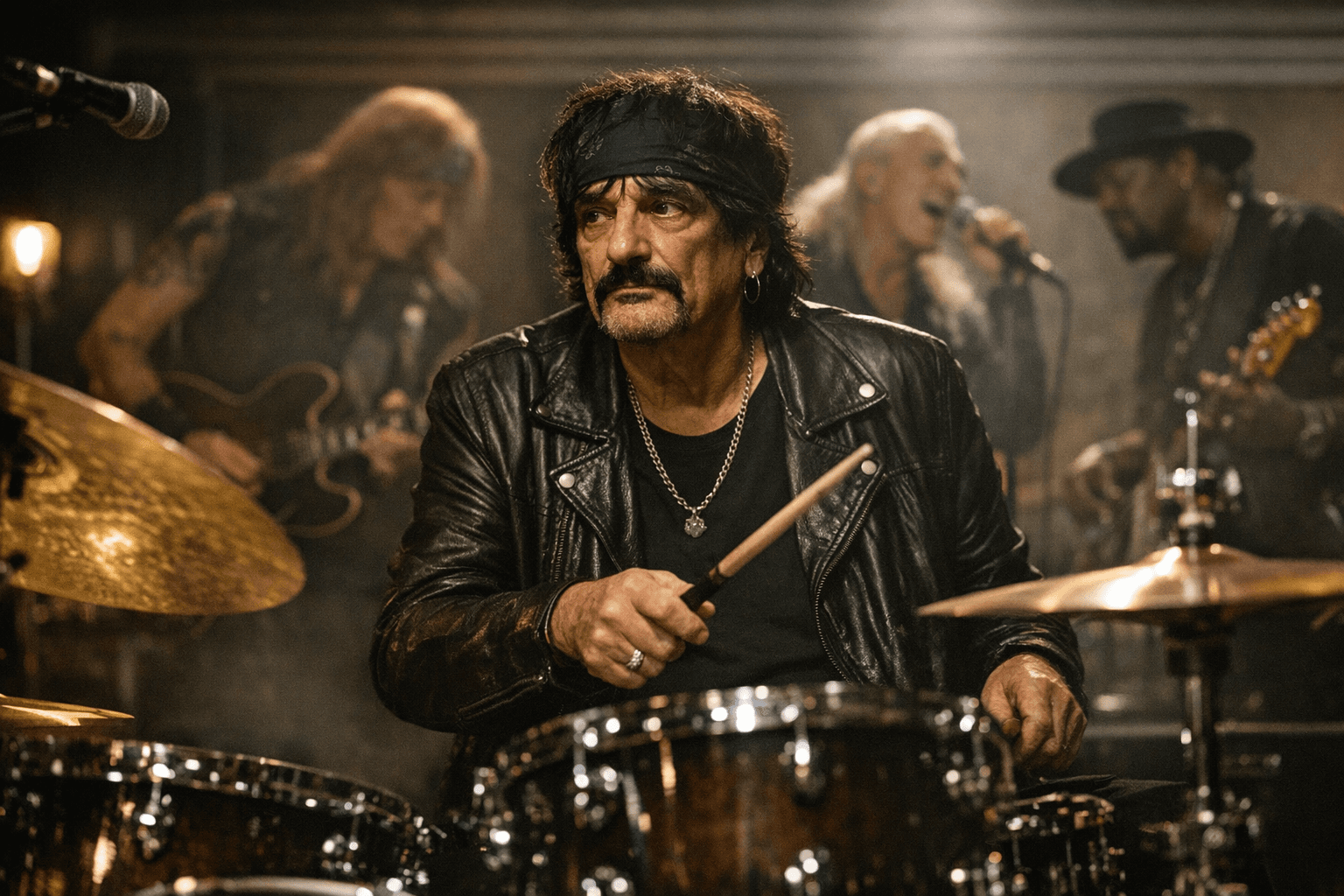
Carmine Appice has been making drummers pay attention since the late 1960s, and Temple Of Blues II, released April 3 under the CACTUS banner, gives them another reason not to look away. The album arrived as a direct sequel to the 2024 Temple Of Blues project and stacked its guest roster with names that read like a hard-rock hall of honor: Joe Lynn Turner, Steve Morse, Ted Nugent, Dee Snider, Billy Sheehan, and Eric Gales all appear alongside Appice, who sits at the rhythmic center of every track.
That kind of lineup doesn't cohere without a drummer who can hold it together. Appice's role on the record was described on the album's official page as anchoring it "with his unmistakable power, groove, and feel," a characterization that anyone who has studied his work with Vanilla Fudge, Rod Stewart, or the original Cactus lineup already understands on a cellular level. The pocket he brings to a session isn't just timekeeping; it's architectural.
The album leans hard into vintage blues forms filtered through contemporary production values, a combination that gives Appice's drumming room to breathe without softening its edges. A two-part "Back Door Man" served as a preview single and set the tone: muscular arrangements, historically informed grooves, and a collaborative spirit that transforms a loosely assembled all-star cast into something that sounds like a working band. Slide guitars, searing solos, and vocal performances ranging from gritty to theatrical all find their footing in Appice's ride cymbal and kick.
For drummers studying the record, the instructive value is significant. His cymbal choices, his pocket depth, and his ability to shift from supportive to driving without disrupting the ensemble are the kinds of decisions players spend careers trying to understand. Instructors will point to these tracks the way they've long pointed to his 1970s work: as evidence that feel, not flash, is what makes a drummer irreplaceable.
Temple Of Blues II lands at a moment when retro-minded drum tones and collaborative all-star formats are back in circulation across rock. That context reinforces what the record itself demonstrates: at this stage of his career, Appice isn't chasing relevance. He's setting the tempo.
This article was produced by Prism’s automated news system from verified source data, official records, and press releases, then run through automated quality and moderation checks before publishing. The system is built and supervised by the people who set the standards it runs under. Read our full AI policy.
Did this article answer your question?