Chris Turner improvises drums on Paul Simon's 50 Ways To Leave Your Lover
Chris Turner met Paul Simon’s 1975 classic cold, then rebuilt Steve Gadd’s famous groove live for Drumeo’s first-time test.

Chris Turner stepped into Drumeo’s For The First Time series on July 3 and was handed Paul Simon’s 1975 hit 50 Ways To Leave Your Lover with the percussion removed. The Oceans Ate Alaska drummer had never heard the song before the session, so every bar had to be invented on the spot.
That setup is the whole appeal of the clip. Turner was not being asked to copy a familiar part or polish a favorite chart. He had to translate a pop-funk standard in real time, with no prior memory of the tune to lean on, and find a drum answer that made musical sense against one of the most recognizable grooves in popular music. Simon released 50 Ways To Leave Your Lover as the second single from Still Crazy After All These Years, which arrived on October 25, 1975, and the track has long been linked to Steve Gadd’s signature feel.
Drumeo has built this format into a recurring stress test for drummers, pairing the same no-percussion challenge with songs and players across a wide range of styles, from Nirvana and Rush to Taylor Swift and Led Zeppelin. Its own lesson ecosystem also leans hard into the idea that drum parts can be decoded and rebuilt, with note-for-note breakdowns for more than 1,500 songs. Turner’s appearance fits neatly into that lane, but it also adds a sharper contrast than most: here was a player known for precision, speed, and dense metalcore vocabulary being asked to make a subtle classic breathe.
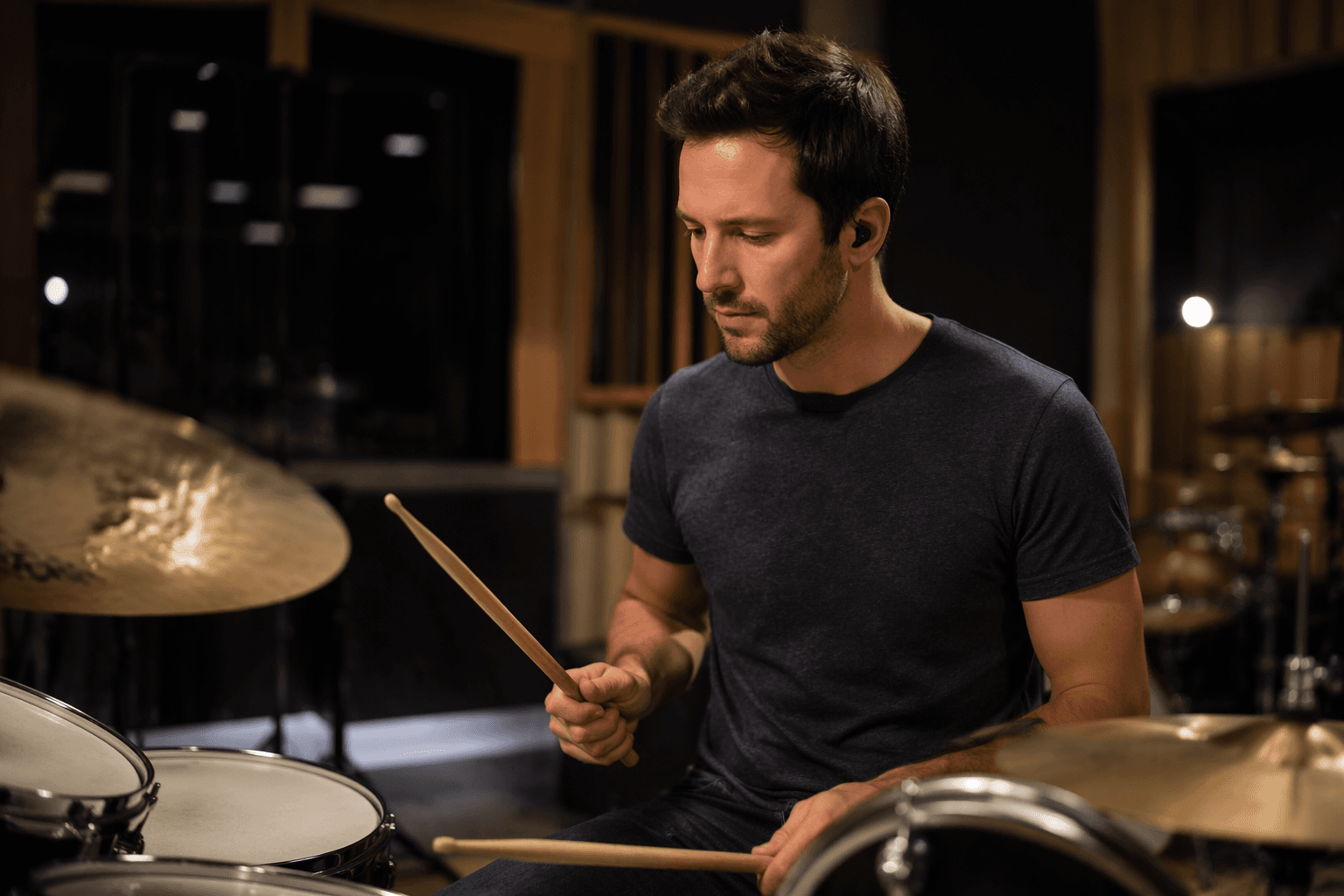
That contrast matters because Turner is not just a hired gun. He is an original member of Oceans Ate Alaska, the UK metalcore band that formed in 2010, and he is widely described as the group’s primary composer. The band first drew major attention after Clocks, a song that profile pages say pulled in millions of YouTube plays, and that background helps explain why this experiment lands so well. It is not a showcase for flash alone. It is a public test of taste, restraint, and the ability to serve a song that was already famous for the drum part everyone knows by heart.
This article was produced by Prism’s automated news system from verified source data, official records, and press releases, then run through automated quality and moderation checks before publishing. The system is built and supervised by the people who set the standards it runs under. Read our full AI policy.
Did this article answer your question?