Dave Grohl’s songwriting showed how drummers become creative forces
Dave Grohl’s path shows how drummers can turn groove into architecture, then into songs that reshape a band’s identity.
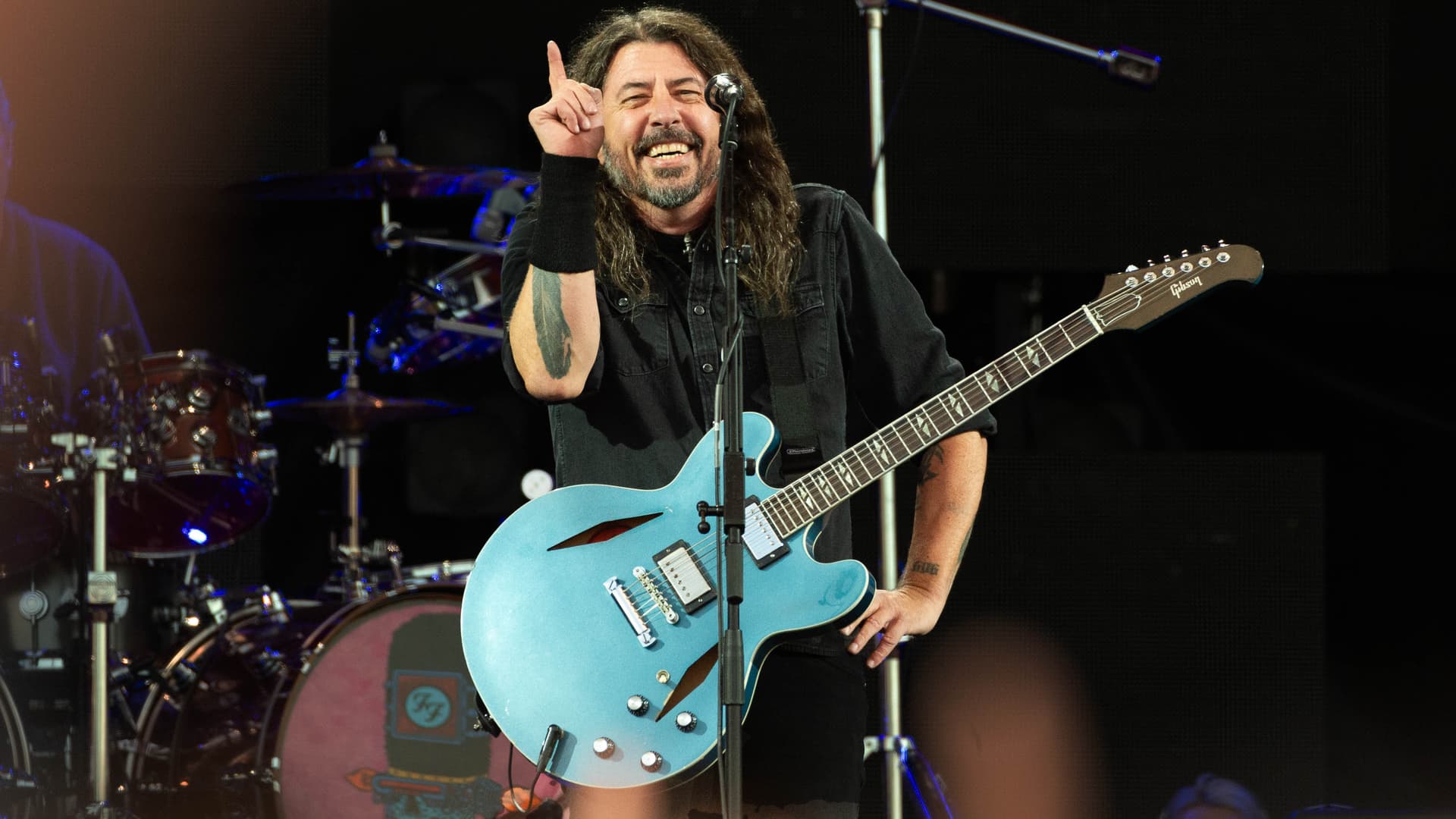
Dave Grohl’s biggest songwriting lesson for drummers is simple: the same instincts that lock in a groove can also build a song. His career shows how a player behind the kit can become the person shaping dynamics, structure, and identity from the inside out.
From the drum throne to the writing room
Grohl joined Nirvana as drummer in 1990, just before *Nevermind* turned the band into a breakthrough force in 1991. Even then, the story was bigger than one man keeping time. Grohl was already compiling and recording his own material while Nirvana was rising, which is where the deeper lesson starts for drummers who want to write: the writing habit does not begin when you become the frontman, it begins when you start hearing beyond the backbeat.
That private work became public with *Pocketwatch*, the cassette he released in 1992 on Simple Machines under the pseudonym Late!. Around the same period, Kurt Cobain overheard Grohl working on “Color Pictures of a Marigold,” and the two later worked on it together. That moment matters because it shows the shift from silent contributor to recognized creative voice. Cobain’s response was not just approval, it was a kind of permission slip for Grohl’s wider songwriting identity.
What drummers can learn from Grohl’s instincts
Grohl’s value as a songwriter comes from the fact that he thinks like a drummer first. He hears how tension builds, where a section needs release, and when a hook has enough weight to carry the whole song. MusicRadar’s framing makes that clear: songwriting is not separate from rhythmic thinking, it grows out of it.
The habits that translate
- Dynamics first. Drummers are trained to shape volume, accents, and push-pull feel. Grohl’s writing shows how those skills become arrangement decisions, not just performance details.
- Song architecture. A drummer often understands a tune as sections in motion, verse into pre-chorus into chorus, rather than as a chord chart alone. That makes it easier to build songs that move with purpose.
- Riff support. Grohl’s best material does not fight the riff, it frames it. A strong drummer-writer knows when to leave space so the guitar line lands harder.
- Arrangement awareness. The drummer in the room often knows when a song is repeating too long, when the lift should happen earlier, or when a breakdown would hit harder than another fill.
That is why Grohl’s evolution feels so instructive. His raw drumming on *Nevermind* was already noticed by fans and peers, and Britannica notes that, while his fame was skyrocketing, he was writing, recording, and playing all the instruments for his own demo project. The point is not that he stopped being a drummer. It is that he used drumming as the foundation for composition.
Caution, then confidence
Grohl has been clear that the jump into public songwriting carried emotional weight. In a PBS interview, he said he was “scared” to write about Kurt Cobain. That hesitation makes sense. He was in a band with one of the greatest songwriters of his generation, and he did not want to rock the boat. For drummers, that tension is familiar: the fear that stepping forward will feel like overstepping.
Grohl’s career shows the opposite. Respect for the existing songwriter does not have to suppress your own voice. It can sharpen it. The trick is to write in service of the song, not in competition with it. That balance is what turned Grohl from a trusted rhythm player into someone with a credible compositional voice of his own.
How Foo Fighters turned that instinct into a full creative identity
After Cobain’s death on April 5, 1994, Grohl moved decisively. Foo Fighters began in Seattle in 1994 as a one-man project, and he recorded the debut album in October 1994 at Robert Lang Studios in Shoreline, Washington. He wrote the entire album, and GRAMMY says that with the exception of one guitar part on one song, he played all the instruments and sang all the vocal parts.
That is the clearest proof of the drummer-to-songwriter pipeline. By the time Foo Fighters appeared on *Saturday Night Live* on November 19, 1994, the project had already moved beyond a private experiment and into public view. The debut album arrived in the United Kingdom on June 26, 1995 and in the United States on July 4, 1995, and it went on to reach No. 23 on the Billboard 200. By the early 2020s, the band had sold more than 30 million records worldwide.
The scale matters because it rejects the old assumption that drummers only contribute from the back line. Grohl built a mainstream rock catalog from the same instincts that make a drummer valuable in rehearsal: knowing where the song should hit, when it should breathe, and how to keep momentum from flattening out.
The Grohl roadmap for more influential drumming
If you want to become the player who shapes more than just the beat, Grohl’s path points to a practical model. Start writing outside rehearsal, the way he was already recording material during Nirvana’s rise and later collected it on *Pocketwatch*. Pay attention to arrangement, because your ear for section changes and build-ups is often the fastest route from rhythm player to song architect. And when a song idea starts to feel bigger than a groove, let it become a song.
That is the real lesson in Grohl’s rise from *Nevermind* to *Foo Fighters*. The drummer who hears the shape of the whole tune early does not just keep time for the band. He helps define what the band sounds like.
This article was produced by Prism’s automated news system from verified source data, official records, and press releases, then run through automated quality and moderation checks before publishing. The system is built and supervised by the people who set the standards it runs under. Read our full AI policy.
Know something we missed? Have a correction or additional information?
Submit a Tip

