Donner DBM-100 review: compact practice tool wins drummers over
A pocket-size click, tuner, and trainer that looks like a handheld console could be the metronome drummers actually carry.
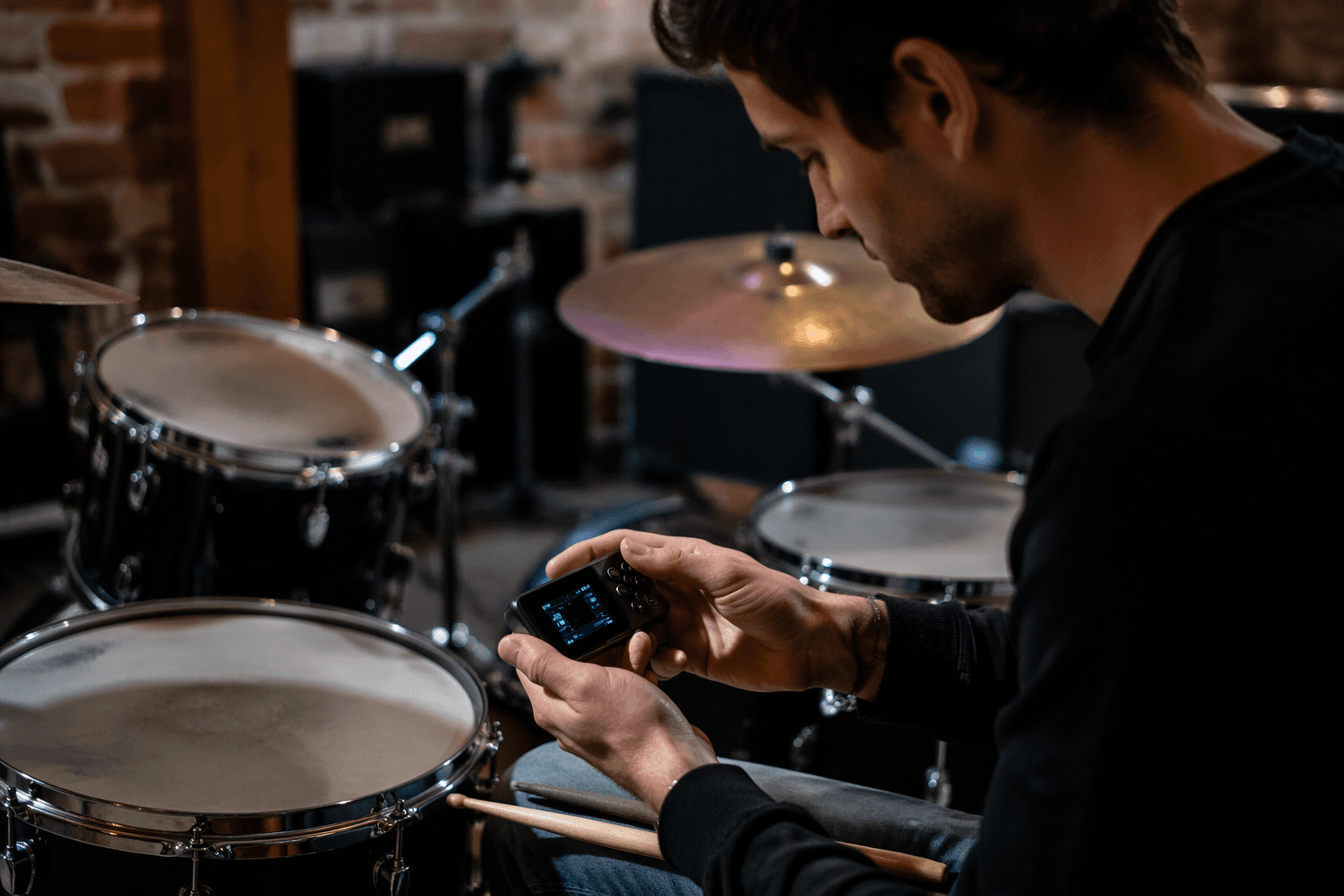
The Donner DBM-100 stands out because it looks like something you would actually toss in a stick bag. MusicRadar’s review by James Grimshaw says it has the shape and feel of a handheld games console, and that playful first impression matters when most metronomes live as forgotten app icons or clipped-on boxes that never leave home. Once the control layout makes sense, the DBM-100 becomes the sort of tool that can stay within reach during real practice, which is the whole point.
Why the DBM-100 grabs drummers first
MusicRadar’s July 10, 2026 review treats the DBM-100 less like a novelty and more like a compact utility that earns its place through use. Grimshaw calls it an “esoteric control interface” at first, but says it becomes extremely easy to use once the layout clicks, which is exactly the sort of tradeoff drummers understand from gear that asks for a minute of learning before it saves hours of repetition. The review also describes it as an “interesting little box of tricks,” with a handy onboard tuner, a full-featured digital metronome, and a trainer mode that feels more like a bonus than the main event.
That framing lines up with the real problem this kind of product has to solve. A practice click only changes habits if it is fast to set, easy to read, and simple to trust when the count-in starts. The DBM-100’s value is not that it does one thing loudly, but that it packages several daily-use jobs into a device small enough to stay close to the kit.
Portability is the feature that changes behavior
Donner positions the DBM-100 as a rechargeable, compact, lightweight and portable unit, and the Australian listing goes even further by calling it pocket size for carrying. That sounds like marketing language, but for drummers it maps directly onto how practice actually happens. A metronome that fits in a stick bag or rides along to lessons is far more likely to be used for warmups, subdivision work, and quick timing checks between rehearsals than a device that stays buried on a desk.
The U.S. product page lists it at $34.99, down from $69.99, which places it in the range where a drummer can justify it as a utility purchase rather than a specialty splurge. Donner also highlights a clear display, volume control, long battery life, and multiple beat modes, all of which point to a device designed to be grabbed without fuss. Even the customer feedback on Donner’s page reinforces that picture, with comments that the interface is clear and quick, the speaker is loud and crisp, and the unit is pocketable.
The metronome features are built for real practice
The core timing specs are broad enough for most drummer workflows. Donner says the DBM-100 covers 30 to 280 BPM and supports 0 to 9 beats per measure, which gives enough room for everything from slow subdivision drills to faster tempo work. It also includes adjustable volume, three metronome sounds plus one vocal source, and headphone output for private practice, which matters when the goal is to hear the click clearly without taking over the room.
Those details make the DBM-100 more than a basic pulse generator. A drummer working on warmups, odd meter counts, or internal time can keep the device at hand instead of switching to a phone app that takes more taps and more attention. The appeal is in the friction reduction: a dedicated unit with a clear display and direct volume control is easier to live with during a practice session than a menu-heavy gadget that demands too much setup before every exercise.
Trainer mode and the extra tools add everyday value
Donner’s trainer rhythm mode gives the DBM-100 a second layer of usefulness. The company says the mode uses a built-in microphone and color-coded light feedback, which turns it into a more active practice companion than a plain click. For drummers working on timing away from the kit, that kind of visual feedback can make a fast self-check feel less abstract and more immediate.
The tuner is not the headline feature for most drummers, but it helps explain why the DBM-100 is pitched as a 3-in-1 tool. Donner markets it as a metronome, tuner, and tone generator, and says the tuner covers 430 to 450 Hz. That makes the unit more useful for players who split time between drums and another instrument, or for anyone recording at home who wants one small device to handle several basic prep jobs.
Donner’s support material also frames the company around “playable and playful products,” which matches the DBM-100’s game-like look better than a traditional metronome aesthetic would. The design feels intentionally less clinical, and that matters because the devices that get used most are usually the ones that do not feel like a chore to open. A speaker that is loud enough, an interface that becomes clear quickly, and a body that can disappear into a pocket all nudge this from “nice to have” into “worth carrying.”
The DBM-100’s real test is not whether it looks serious on a practice stand. It is whether it ends up in the stick bag on the way to rehearsal, ready for subdivisions, warmups, and timing checks long before a drummer reaches for a phone app or a bigger box that stayed at home.
This article was produced by Prism’s automated news system from verified source data, official records, and press releases, then run through automated quality and moderation checks before publishing. The system is built and supervised by the people who set the standards it runs under. Read our full AI policy.
Did this article answer your question?