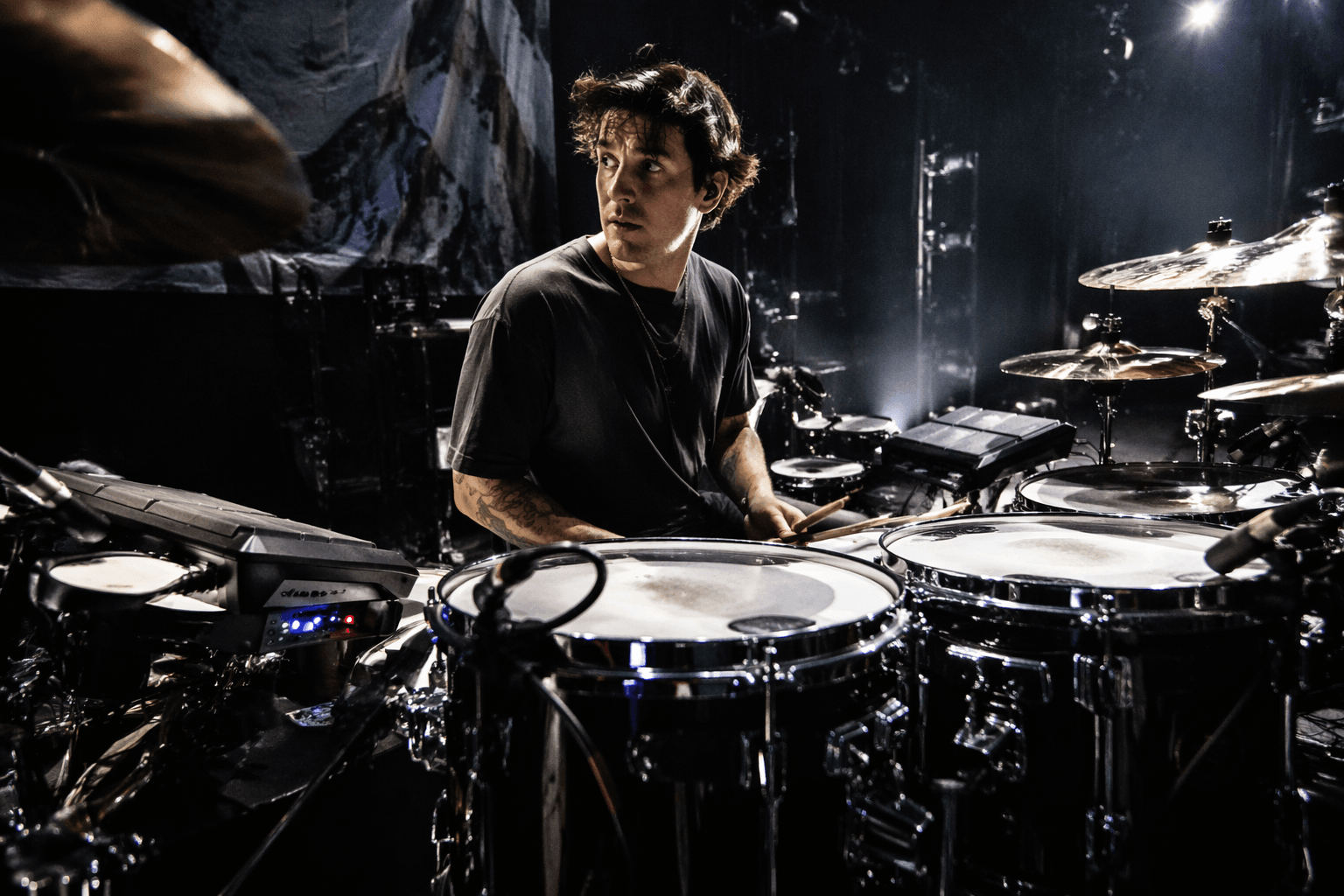
El Estepario Siberiano blasts Suno, warns AI music threatens drummers
El Estepario Siberiano turned his Suno backlash into a labor warning for drummers, arguing AI tools built on stolen music can undercut the people who make a living playing.
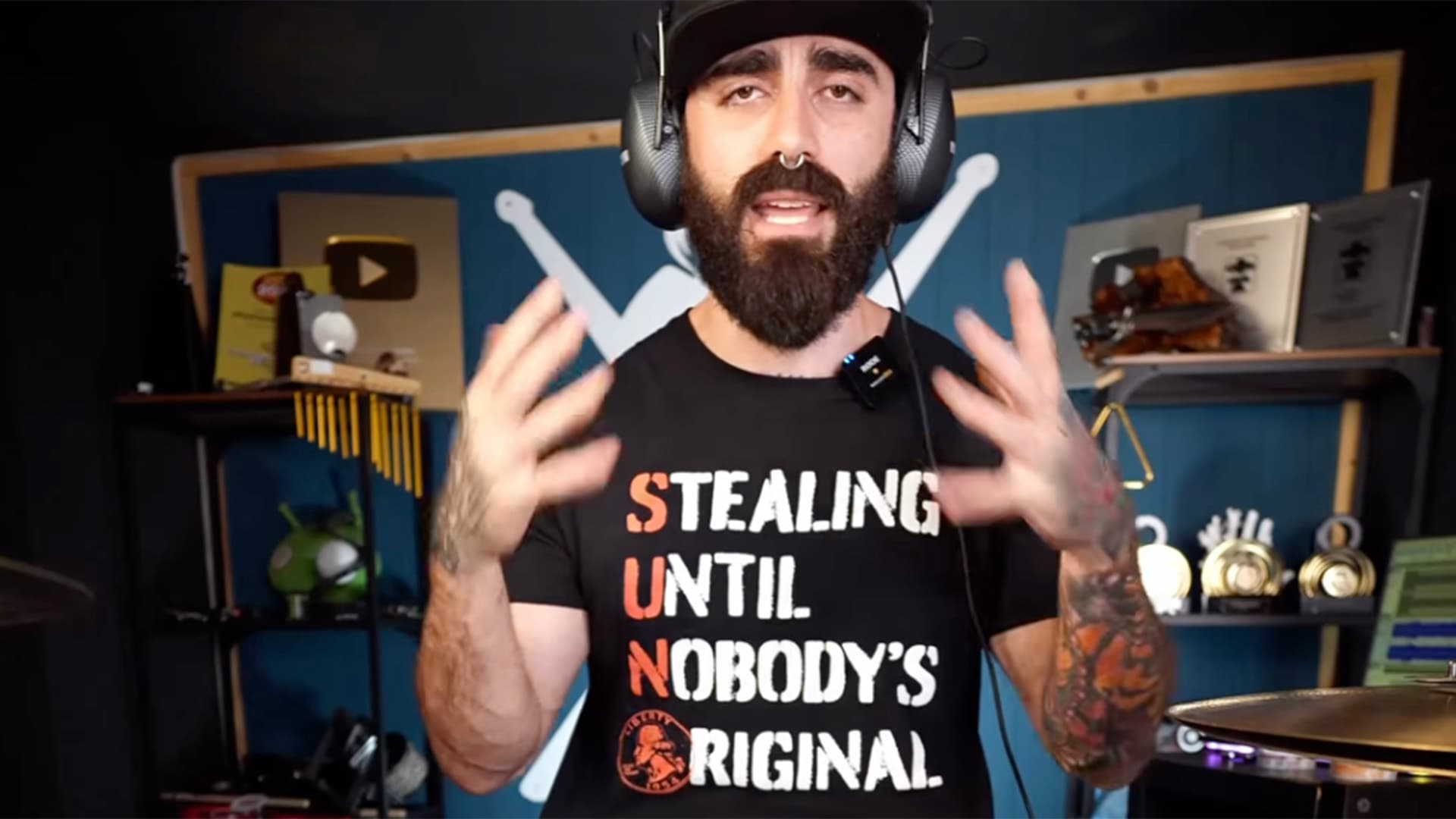
Jorge Garrido, better known as El Estepario Siberiano, turned his latest Suno rant into something more pointed than a social media hot take. The Spanish drummer argued that musicians, producers, and other industry workers are helping damage their own profession by promoting AI tools he sees as built on stolen music and designed for profit, not artistic consent. For drummers who live on session dates, commissions, clinics, and repeat calls, that landed like a labor warning, not a tech debate.
Garrido also aimed his message at younger musicians, warning them not to normalize working with people who are financially benefiting from Suno’s rise. That is where the argument cuts deepest for working players. Reputation matters in this business. So does the company you keep. If a drummer is trying to build a name in a scene where trust and referrals still drive paid work, Garrido’s point is that openly embracing AI music can look less like experimentation and more like helping normalize the replacement of human labor.

His reach gives the warning real weight. Garrido has 5.2 million followers on TikTok, which means his stance travels far beyond drumming message boards and into the feeds of players who know him for performance clips and blunt commentary. He has also put the message on merch, selling anti-AI T-shirts with a SUNO-related slogan. That move matters because it shifts the fight from a passing post into a visible public position, one that treats AI music as a direct threat to musicians’ livelihoods.
Suno’s own scale explains why the reaction keeps getting louder. The company said on May 21, 2024, that it had raised $125 million and that 10 million people had already made music with the platform. A tool with that kind of reach is no longer a curiosity. It is part of the workflow conversation for writers, producers, session players, and educators who depend on human-made music to stay employed.
The legal pressure has only sharpened the debate. On June 24, 2024, the Recording Industry Association of America announced copyright-infringement lawsuits against Suno and Udio on behalf of Universal Music Group, Sony Music Entertainment, and Warner Music Group, alleging unauthorized copying and use of copyrighted sound recordings to train generative AI models. The U.S. Copyright Office has since said its AI report series covers digital replicas, the copyrightability of generative-AI outputs, and the legal implications of training AI on copyrighted works.

That is why Garrido’s attack resonates with drummers in particular. It is not just about machines making music. It is about who gets paid, who gets copied, and whether the next generation of players will treat the kit as a career or just another data source to feed the machine.
This article was produced by Prism’s automated news system from verified source data, official records, and press releases, then run through automated quality and moderation checks before publishing. The system is built and supervised by the people who set the standards it runs under. Read our full AI policy.
Did this article answer your question?