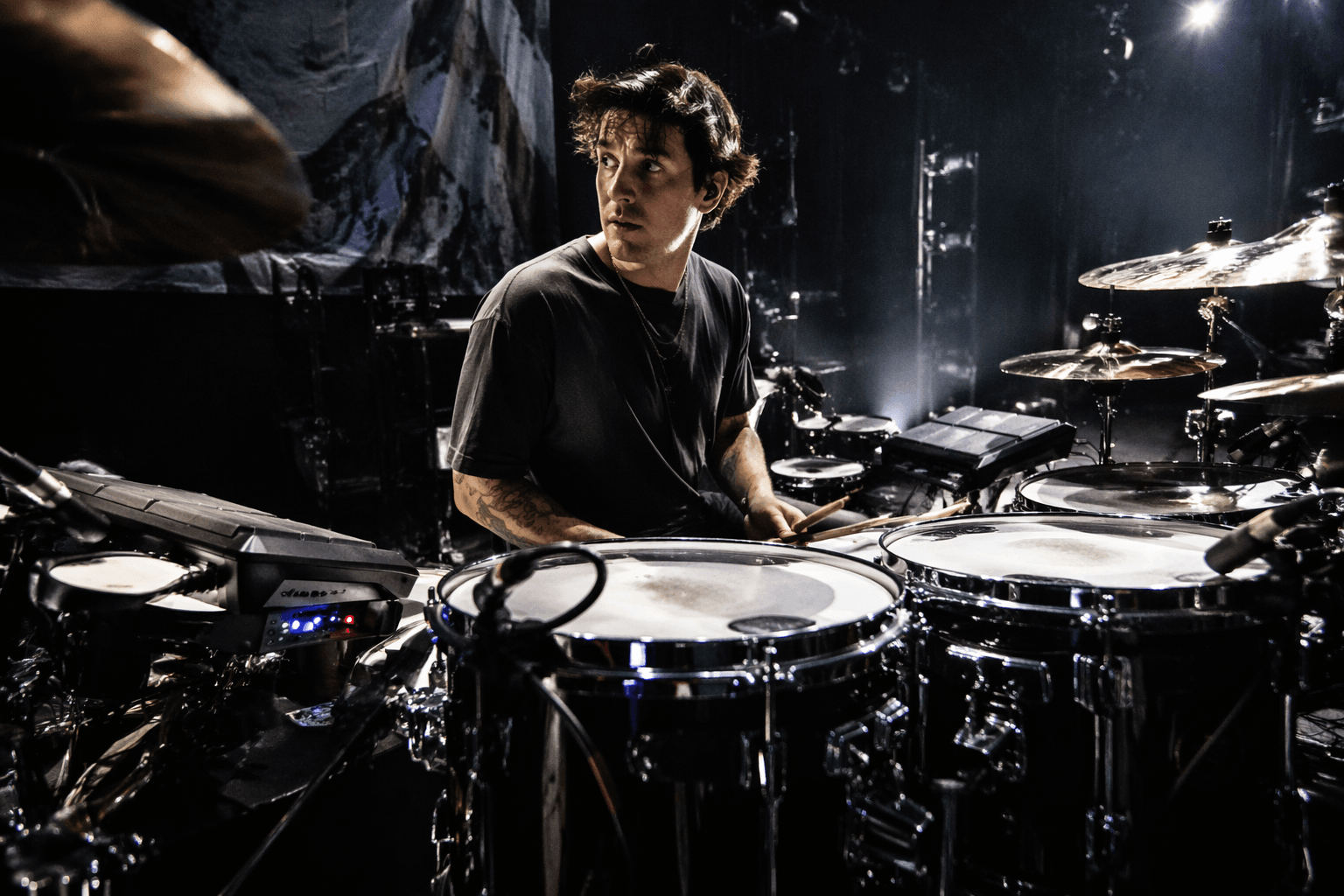
Gene Hoglan says grunge owed more to thrash metal than many think
Gene Hoglan said grunge was "very influenced by thrash metal," and the drum parts on Nevermind, Badmotorfinger and Dirt make the case hard to dismiss.
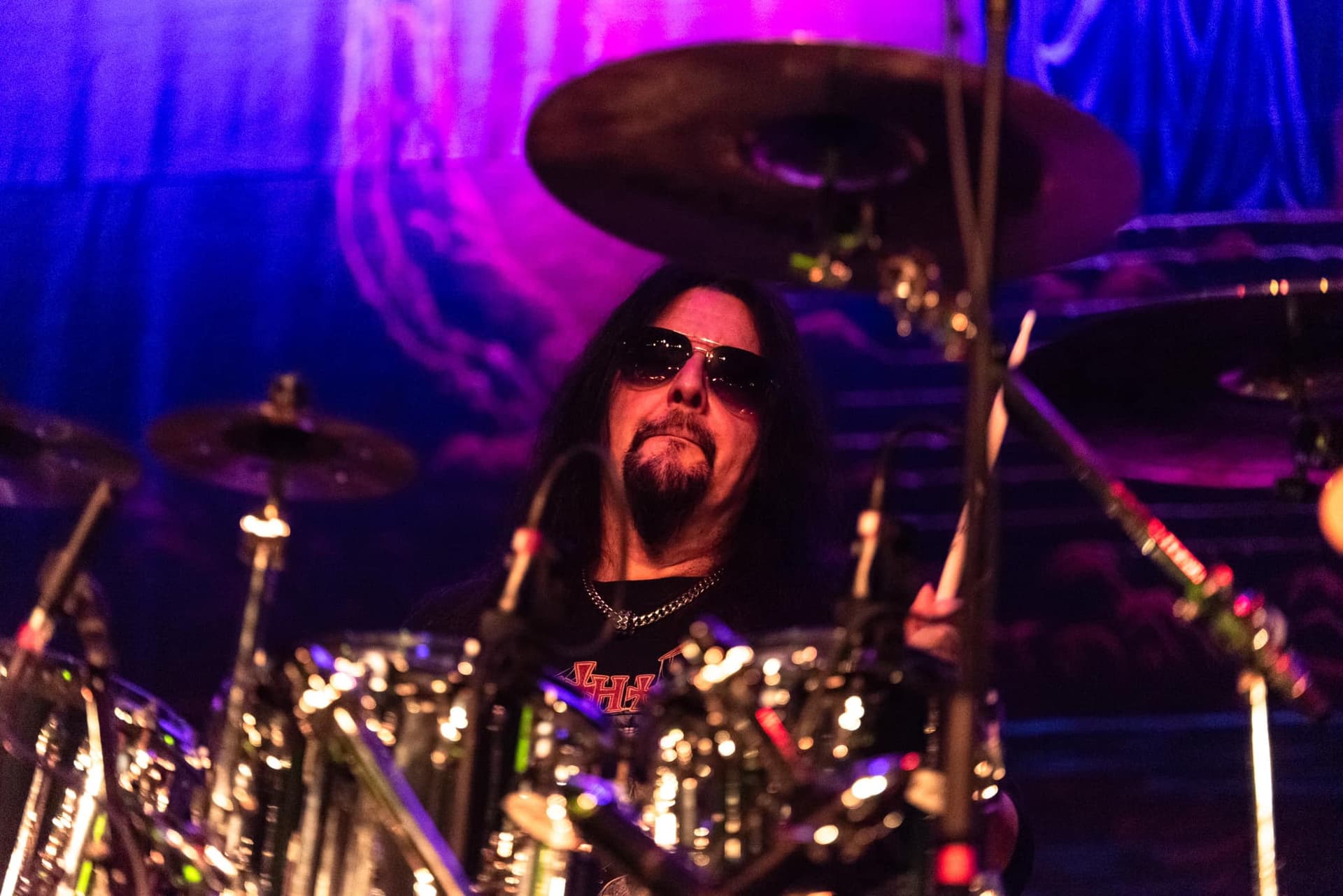
Gene Hoglan pushed grunge’s family tree back toward the thrash pit, arguing that the scene many fans hear as punk-fueled and loose was also shaped by metal’s speed, snare crack and double-kick muscle. In a May 9, 2026 interview with Remzi “Jam Man” Yates of Rocking With Jam Man, the Dark Angel drummer said grunge was “very influenced by thrash metal,” and he brushed aside the idea that the early thrash generation knew it was changing the course of heavy music.
Asked whether those players understood the size of what they were building, Hoglan answered, “Not at all. We had no idea...” He framed thrash as a movement that was still swimming upstream against hair metal and radio-rock dominance, which makes his point less like nostalgia and more like scene history from someone who lived it. Born August 31, 1967, Hoglan came up with Dark Angel, the Downey, California band formed in 1981, and built a reputation on extreme tempo control and those trademark long double-kick patterns that never let the kit sit still.
That background matters because Hoglan is not talking about influence in the abstract. He is talking about groove feel, attack, and the way drums push a song from underneath. Grunge emerged in mid-1980s Seattle as a fusion of punk rock and heavy metal, so the overlap with thrash was always there, even when the genre moved farther from metal’s technical edge. By the time Nirvana’s Nevermind arrived on September 24, 1991, Soundgarden’s Badmotorfinger on October 8, 1991, and Alice in Chains’ Dirt on September 29, 1992, grunge’s commercial era was in full stride.
Listen across those records and Hoglan’s argument gets easier to hear. The drums are not thrash in the narrow sense, but they share the same hard-hit intent: the snare lands with authority, cymbals are used for lift and violence rather than decoration, and the kit often behaves like a lead instrument instead of simple backbeat support. That is the thread connecting early thrash’s discipline to grunge’s heavier side. The pulse gets looser, the melodies get darker, but the force behind the songs still carries the imprint of metal’s bluntest lessons.
Hoglan’s value here is that he hears both sides of the bridge. He was there when thrash was still proving itself, and he has had decades to watch later generations turn that rhythmic vocabulary into something new. The result is a cleaner read on grunge’s power: not a clean break from metal, but a hard, loud continuation of it.
This article was produced by Prism’s automated news system from verified source data, official records, and press releases, then run through automated quality and moderation checks before publishing. The system is built and supervised by the people who set the standards it runs under. Read our full AI policy.
Did this article answer your question?