Gene Krupa, the drummer who moved percussion to center stage
Gene Krupa turned the drum kit into a spotlight instrument, and his solos, showmanship, and star image still shape what drummers are expected to be.
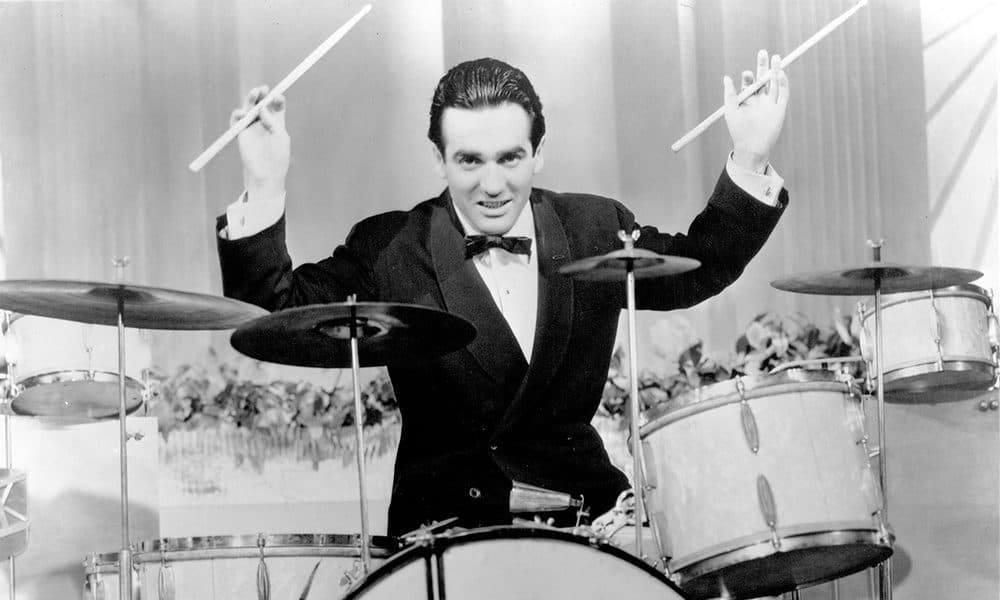
Gene Krupa did more than keep time. He made the drum kit look and sound like the center of the band, and that shift changed what audiences expected from a drummer for good. Born Eugene Bertram Krupa on January 15, 1909, and dead by October 16, 1973, he became one of the most influential drummers in popular music by turning percussion into a visible, marketable attraction.
From back line to the spotlight
Before Krupa, the drummer was usually treated as a supporting player, important but rarely the face of the act. Smithsonian’s profile on his star power captures the core of the change: Krupa was a showman as much as a player, and that combination pushed the drummer out from the back line and toward center stage. The Syncopated Times goes even further, calling him the first star drummer and saying he was the first drummer to be considered a superstar and matinee idol.
That language matters because it describes a real cultural shift, not just a reputation. Britannica’s student entry says Krupa was the first jazz drummer to win widespread public acclaim, and that acclaim helped redefine the instrument itself. The drummer was no longer only the engine of the band. In Krupa’s hands, the kit became a lead voice with its own drama, physicality, and appeal.
The Benny Goodman breakthrough
Krupa rose to fame with Benny Goodman’s orchestra in the 1930s, and that partnership gave his style the audience it needed. One source notes that he hit it big with Goodman’s band in 1935, but the more enduring landmark is the 1937 recording of “Sing, Sing, Sing.” Krupa’s drum solo on that track is widely described as the moment that elevated the drummer from accompanist to important solo voice.
That mattered because it changed the job description. A drum solo was no longer just a brief break between horn lines. In Krupa’s case, it became part of the arrangement’s dramatic structure, a place where the drummer could shape the energy of the tune and command the room. That model is now so familiar that it can be easy to forget how radical it once was.
Carnegie Hall made the point impossible to miss
The defining live moment came on January 16, 1938, at Benny Goodman’s Carnegie Hall concert in New York. Harry James was on trumpet, Lionel Hampton on vibraphone, and Gene Krupa was at the drums, but the night’s historical weight fell heavily on the rhythm section because of the way Krupa played. The Library of Congress essay on the concert calls it a huge success and a turning point for jazz and popular music.
At Carnegie Hall, Krupa’s extended solo on “Sing, Sing, Sing” became part of the event’s legend. The point was not only that he played well. It was that a drummer could hold the attention of one of the most famous concert halls in the country and help define the emotional peak of the performance. That is the hinge where percussion stopped being background and started becoming spectacle.
What Krupa changed on the bandstand
Krupa’s legacy lives in the details drummers recognize immediately. The drum solo became a climactic event rather than a novelty break, and that opened the door for bigger drum features, more visual setups, and a more theatrical stage presence. Large kits, flashy tom runs, and staged moments at the drums all fit into the cultural image he helped create.
He also changed the way audiences read the player behind the kit. After Krupa, a drummer could be expected to lead a passage, not just support it. The modern idea of the drummer as both musical authority and public persona traces back to that transformation, where timekeeping and personality had to coexist. That expectation still shapes how players are judged in jazz, rock, fusion, and beyond.
The echoes in later generations
Krupa’s influence did not stop at his own era. MusicRadar quotes Buddy Rich calling him “the inspiration for every big-name drummer in the business,” and says John Bonham considered him “a god.” Those reactions from later giants show how deeply Krupa settled into the vocabulary of drum culture. He was not simply admired; he became a reference point for what a drummer could be.
Modern Drummer also marks that standing in a concrete way by identifying Krupa as its first ever inductee into the Hall of Fame. That kind of recognition reflects more than nostalgia. It shows how fully his image had fused with the modern identity of the drummer: technically serious, musically commanding, and visible enough to carry a stage by himself.
Why Krupa still matters to drummers now
Krupa’s story is not just that one famous drummer became a celebrity. It is that he changed the terms of the job. Once the drum solo could function as a headline moment, the instrument was no longer locked into the background, and the people behind it could be judged on presence as well as precision.
That is why his name still comes up whenever drummers talk about visibility, bandstand authority, or the balance between groove and personality. Krupa made the kit impossible to ignore, and the modern drummer still lives inside that breakthrough.
This article was produced by Prism’s automated news system from verified source data, official records, and press releases, then run through automated quality and moderation checks before publishing. The system is built and supervised by the people who set the standards it runs under. Read our full AI policy.
Did this article answer your question?