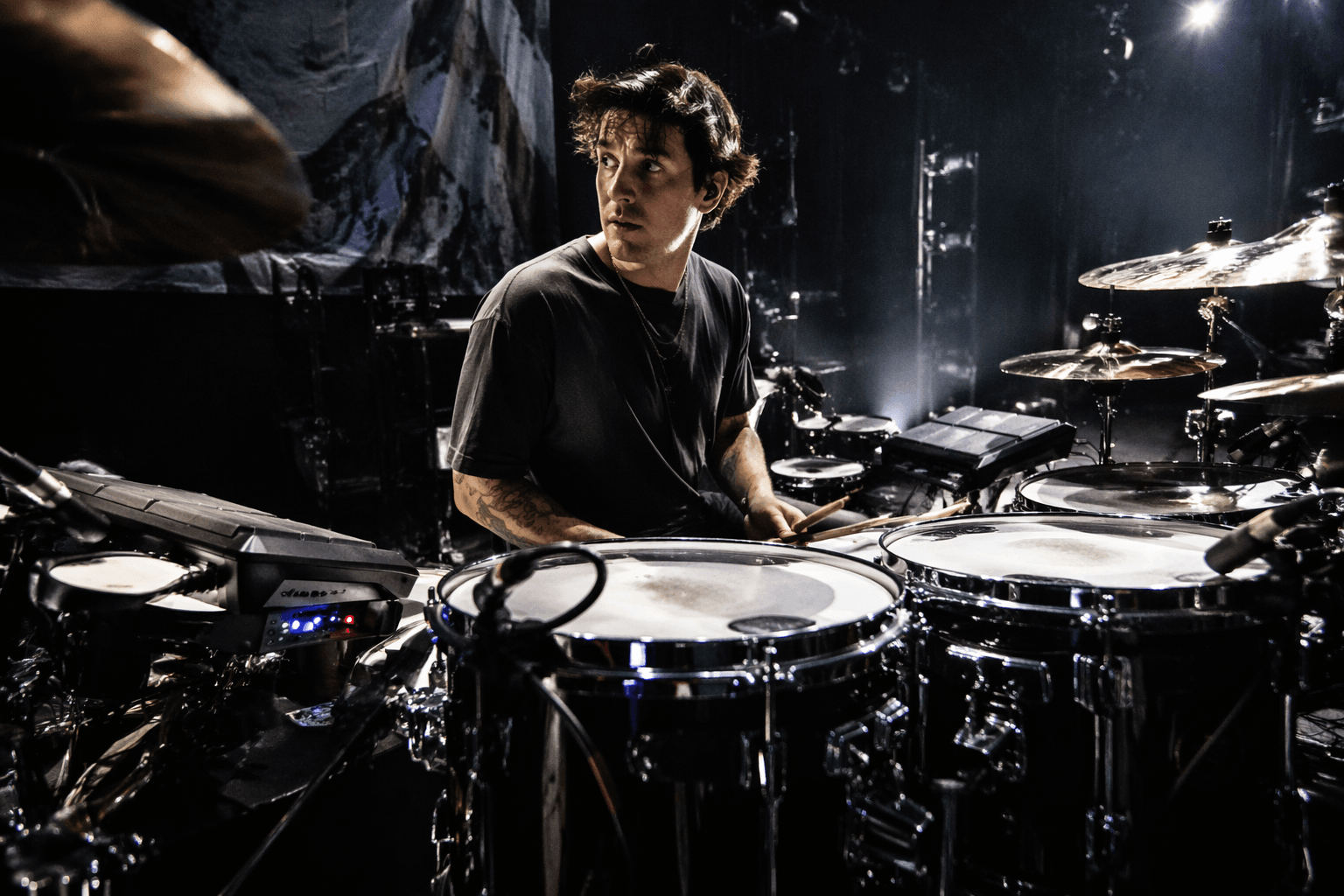
how to start drumming, timing, coordination, and basic grooves
Your first month at the kit should be simple: lock the pulse, learn the basic rock beat, and build coordination with a metronome instead of chasing speed.
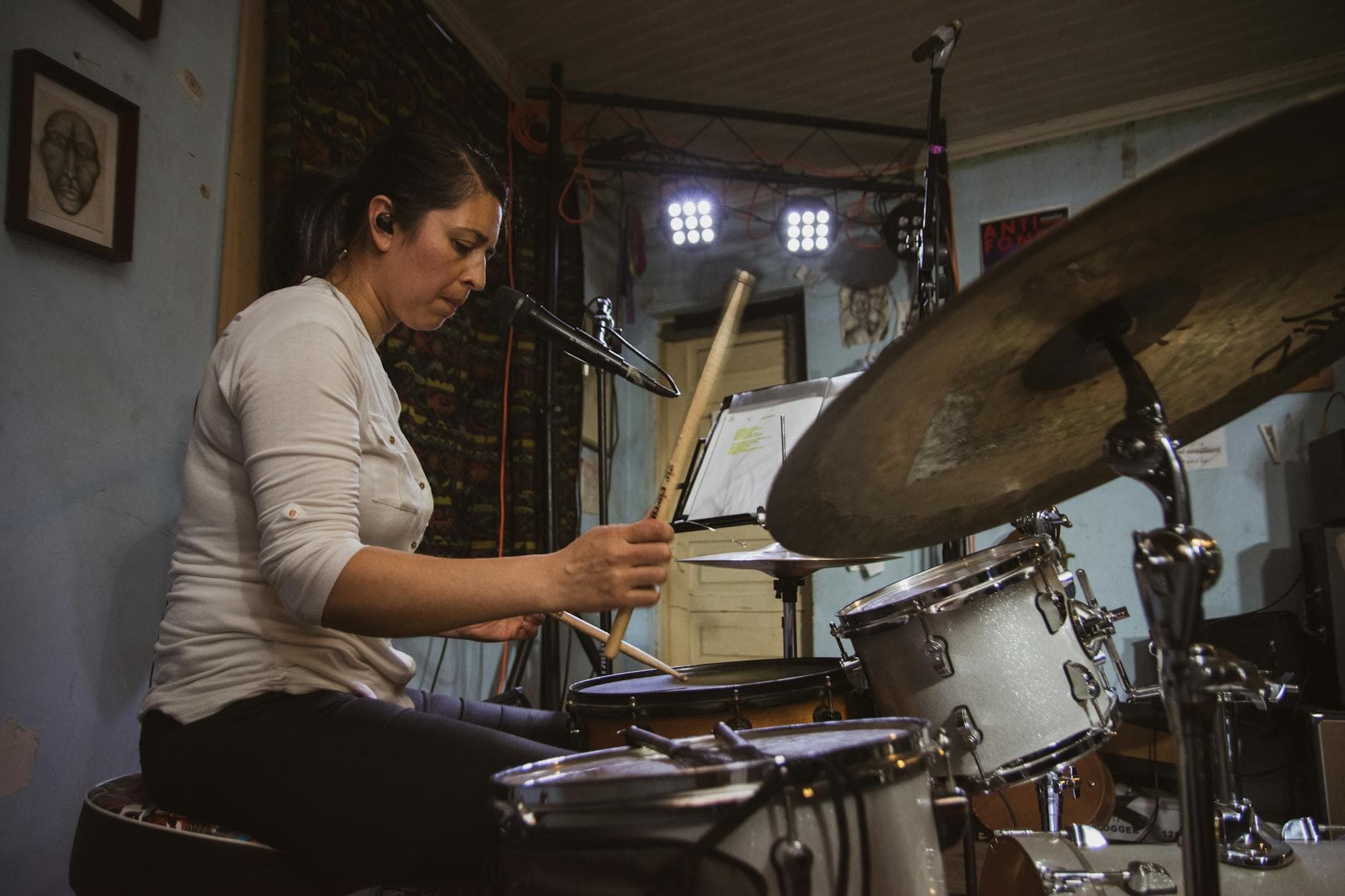
The first 30 days: build the pulse before you build the flash
Drumming starts with time, not tricks. In the first month, the fastest route from zero to a usable groove is to learn how to count cleanly, keep a stable pulse, and let your limbs work together without forcing speed. The basic rock beat is the pattern most beginners meet first, and it stays useful long after the beginner stage, which is why this roadmap stays focused on that one goal: get you playing a solid groove you can trust.
Days 1 to 7: set up, count, and get comfortable behind the kit
Start by understanding what the instrument asks of you physically. A modern drum set is built around the bass drum, snare drum, tom-toms, and suspended cymbals, and the first week is about getting those pieces to feel familiar instead of overwhelming. The drummer’s job is to anchor the band, so counting and a steady pulse matter more than fills, speed, or trying to sound advanced on day one.
Your most useful piece of gear in this first stretch is a metronome. Yamaha Music recommends beginners practice with one, often starting around 70 BPM for many exercises, because the click forces you to stay honest about timing. That same advice ties directly to posture, grip, and stroke control: keep the motions controlled, aim for consistent volume and timbre, and resist the urge to rush just because the hands and feet feel awkward.
Days 8 to 14: learn the basic rock beat and keep it simple
This is the week to connect the hi-hat, snare, and kick into one repeatable pattern. Drum Helper’s beginner beat guide points to the basic rock beat as the first pattern most learners study, and for good reason: it teaches you how to place the backbeat, lock the bass drum with the pulse, and let the cymbal pattern carry the time. If that groove feels plain, that is a good sign. Plain is exactly what you want before the pattern becomes automatic.
Do not clutter this stage with extra notes. The most common beginner mistake is chasing fills before the core beat feels steady, which usually creates more wobble than progress. Stick with short reps, a slow click, and the same simple groove until you can play it without losing the count. The goal is not variety yet. The goal is to make one beat feel reliable.
Days 15 to 21: coordinate all four limbs without fighting them
Once the basic groove is stable, coordination becomes the real work. Drumming asks you to use all four limbs in new ways, and that is why the first few attempts can feel clumsy even when the rhythm makes sense in your head. Slow, deliberate practice beats hurried repetition here because the body has to learn a new pattern of movement, not just memorize a rhythm on paper.
This is also the point where setup and stick control matter more than most beginners expect. Vic Firth Artists & Education builds its beginner lesson series as a 34-lesson step-by-step system that covers setup, tuning, grip, perfect stroke, independence, reading, and essential styles. That structure is useful because it mirrors what the first month should feel like: a ladder, not a leap. If your grip is loose, your strokes are inconsistent, or your posture makes the kit feel cramped, coordination gets harder than it needs to be.
Days 22 to 30: add reading, rudiments, and style, but keep the groove first
By the final week of the first month, you can begin folding in the language that turns a beat into musicianship. Berklee Online’s Drum Set Performance 101, a 12-week, 3-credit undergraduate-level course, centers on time, technique, reading, coordination, groove, and multiple meters. That tells you something important: even formal drum study treats these basics as the foundation, not the warm-up.
This is also a good time to meet rudiments without letting them take over the whole practice plan. Berklee’s course description highlights the single stroke roll, double stroke roll, paradiddle, flam, and flam accent, then expands into two-, three-, and four-way coordination along with touch, balance, dynamics, and style-specific grooves in rock, funk, jazz, Brazilian, and Afro-Cuban music. For a new player, that means one clear priority: use rudiments to improve the feel of your groove, not to escape from it.
What to avoid in the first month
The biggest trap is practicing in bursts and calling it progress. Yamaha Music recommends about 30 minutes of daily practice, and Drum Helper advises beginners to practice at least 15 to 30 minutes every day, because regular contact with the kit builds skill faster than a few long sessions scattered across the week. A steady daily habit also keeps the click, your hands, and your feet aligned often enough that timing starts to feel normal instead of foreign.
Avoid the other classic beginner error too: playing fast before you can play clean. A stable 70 BPM practice tempo teaches you to hear the space between notes, control your volume, and keep the groove from rushing ahead of the click. That discipline is what makes the basic rock beat feel musical, and it is what keeps later coordination work from falling apart the second you add another limb.
What you truly need to start
You do not need a giant gear list to begin this month well. You need the core kit language, bass drum, snare, tom-toms, and suspended cymbals, plus a metronome and enough repetition to make the click feel like a partner. The modern drum set grew out of a hybrid history, and by the turn of the 20th century the snare drum had already moved into theater pits and early trap sets, which helps explain why today’s beginner path still revolves around the kick, snare, and cymbal-based groove.
That is the real shortest path: lock time first, learn the basic rock beat second, and let coordination grow from there. When the first month is done right, the kit stops feeling like four limbs fighting for space and starts feeling like one instrument finally making sense.
This article was produced by Prism’s automated news system from verified source data, official records, and press releases, then run through automated quality and moderation checks before publishing. The system is built and supervised by the people who set the standards it runs under. Read our full AI policy.
Did this article answer your question?