Hudson Music publishes Ignacio Berroa memoir on resilience and migration
Ignacio Berroa’s memoir turns a drumming career into a story of exile, Afro-Cuban lineage and hard-won resilience, with lessons no technique book can give.

Hudson Music puts Berroa’s life at the center
Ignacio Berroa’s name already carries weight in jazz and Afro-Cuban drumming, and that is exactly why *The Path I Chose* matters. Hudson Music is not just adding another title to its catalog here, it is putting a major drummer’s life story in front of readers who want to understand how identity, migration and musical voice shape one another. The book is being positioned as a memoir of hardship and achievement, built around a Cuban immigrant’s journey from separation and language barriers to a respected place in music.
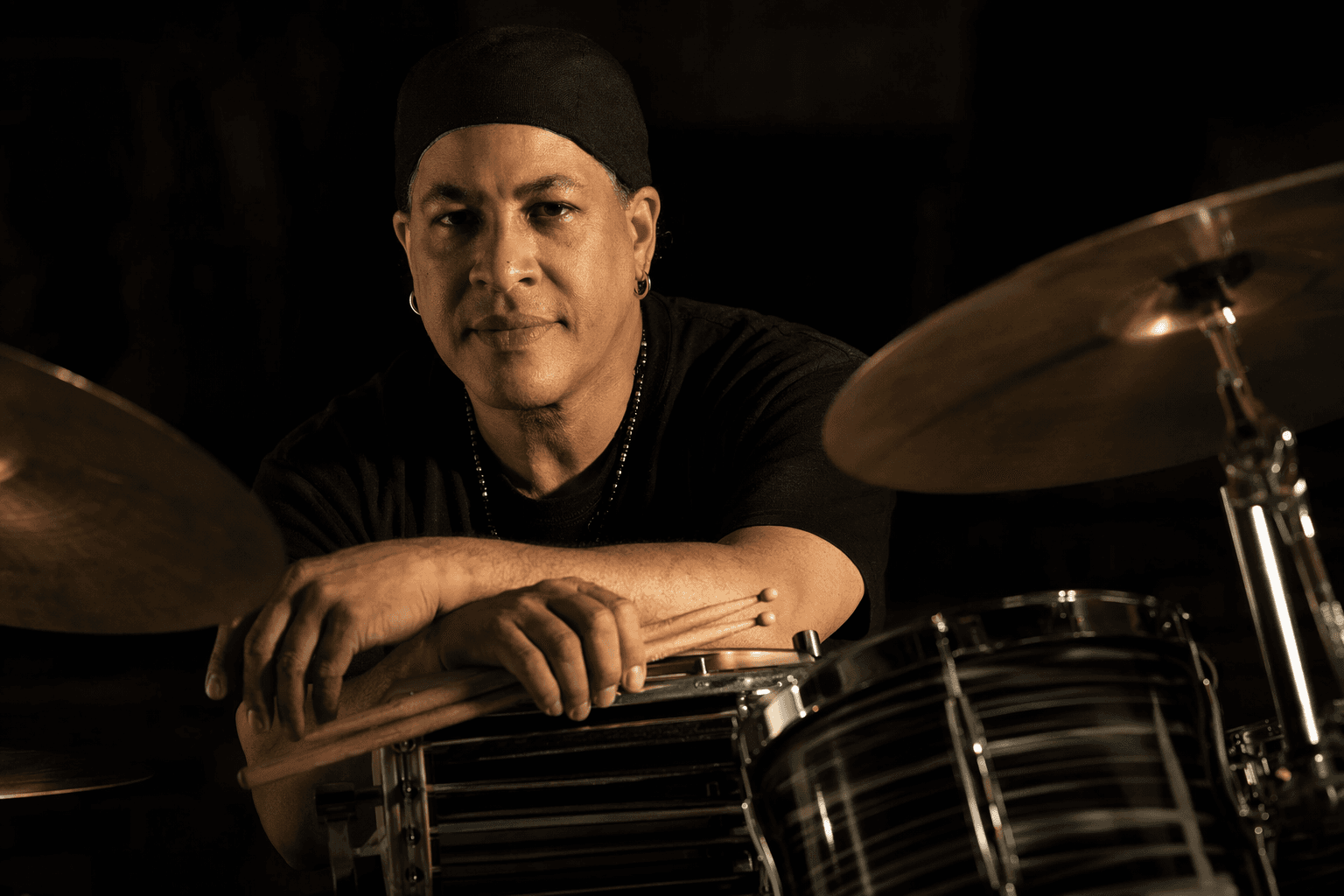
Retail listings identify *The Path I Chose: My Story* as a 344-page English-language book published on April 7, 2026, with Palmetto Publishing listed as the publisher. Hudson Music also lists the book on its site, which places it squarely inside the drumming world while giving it a broader cultural reach than a standard player bio or how-to manual.
Why Berroa’s background carries so much force
Berroa was born in Havana, Cuba, on July 8, 1953, and his path into drumming began after an earlier start on violin. He switched to drums at age 11, began his professional career in 1970, and by 1975 had become one of Cuba’s most sought-after drummers. That arc alone gives the memoir real historical shape: it is the story of a musician forged inside a specific scene, not a generic success story.
The migration chapter gives the book its emotional center. Berroa left Cuba in 1980 during the Mariel Boatlift and soon after moved to New York, where he had to rebuild his career in a new language and a new musical environment. For drummers, that matters because it shows technique is only part of the equation. Timing, phrasing and command of the instrument are inseparable from the pressures of leaving home, finding work and carrying a cultural identity into a different country.
From Cuban roots to Dizzy Gillespie’s world
Berroa’s rise in the United States took on major historical significance when he joined Dizzy Gillespie’s quartet in 1981. He later played in Gillespie’s 70th Anniversary Big Band, All-Star Big Band and the Grammy Award-winning United Nations Orchestra, placing him in the center of some of the most consequential big-band and Latin-jazz projects of the era. That resume makes the memoir more than a personal recollection. It becomes a firsthand account of how Afro-Cuban rhythm entered and expanded the jazz mainstream.
His reputation also extends beyond one bandleader. Bios identify Berroa as a leading innovator in blending Afro-Cuban and American jazz styles, and his list of collaborators includes McCoy Tyner, Chick Corea, Freddie Hubbard, Charlie Haden, Wynton Marsalis, Gonzalo Rubalcaba and Tito Puente. He also earned a Grammy nomination and a Danish Music Award for Best Jazz Album for his debut as a bandleader, *Codes* in 2006, giving readers a concrete measure of the stature behind the memoir.
What readers get from this book that a technique guide cannot provide
This is where *The Path I Chose* separates itself from the usual drumming release. A clinic book can show stickings, coordination and concepts; Berroa’s memoir shows how a life in music is shaped by family separation, exile, cultural memory and persistence. That gives students, teachers and working players something different to carry with them: context. It is the kind of context that explains why certain phrases feel as deep as they sound, and why a drummer’s voice often reflects a life lived under pressure.
A sample excerpt points to that tone directly. Berroa says he did not intend the book to be “a political pamphlet,” but wanted to preserve the painful realities of his generation. That line tells readers a great deal about the memoir’s value. It is not built to lecture, and it is not trying to reduce Cuban history to a slogan. Instead, it aims to record what migration, loss and endurance looked like from inside a musician’s life, which is exactly the material that can stay with readers long after the last page.
A memoir with reach beyond the drumming shelf
Hudson Music’s release gives the drumming community something that has become increasingly important in music publishing: a book that treats a drummer’s biography as historical evidence, not just personal branding. Berroa’s story links Havana, the Mariel Boatlift, New York, Gillespie’s ensembles and decades of cross-cultural collaboration into one continuous line. That makes the memoir useful to readers who care about Latin jazz, immigrant narratives and the way artistic identity is built under difficult circumstances.
For drummers, the appeal is especially strong because Berroa’s career shows how style can grow out of survival as much as study. He came up through Cuban training, absorbed American jazz at the highest level and helped define a blend that remains central to the modern language of the kit. *The Path I Chose* matters because it preserves that journey in Berroa’s own frame, with the human stakes left fully intact.
This article was produced by Prism’s automated news system from verified source data, official records, and press releases, then run through automated quality and moderation checks before publishing. The system is built and supervised by the people who set the standards it runs under. Read our full AI policy.
Did this article answer your question?