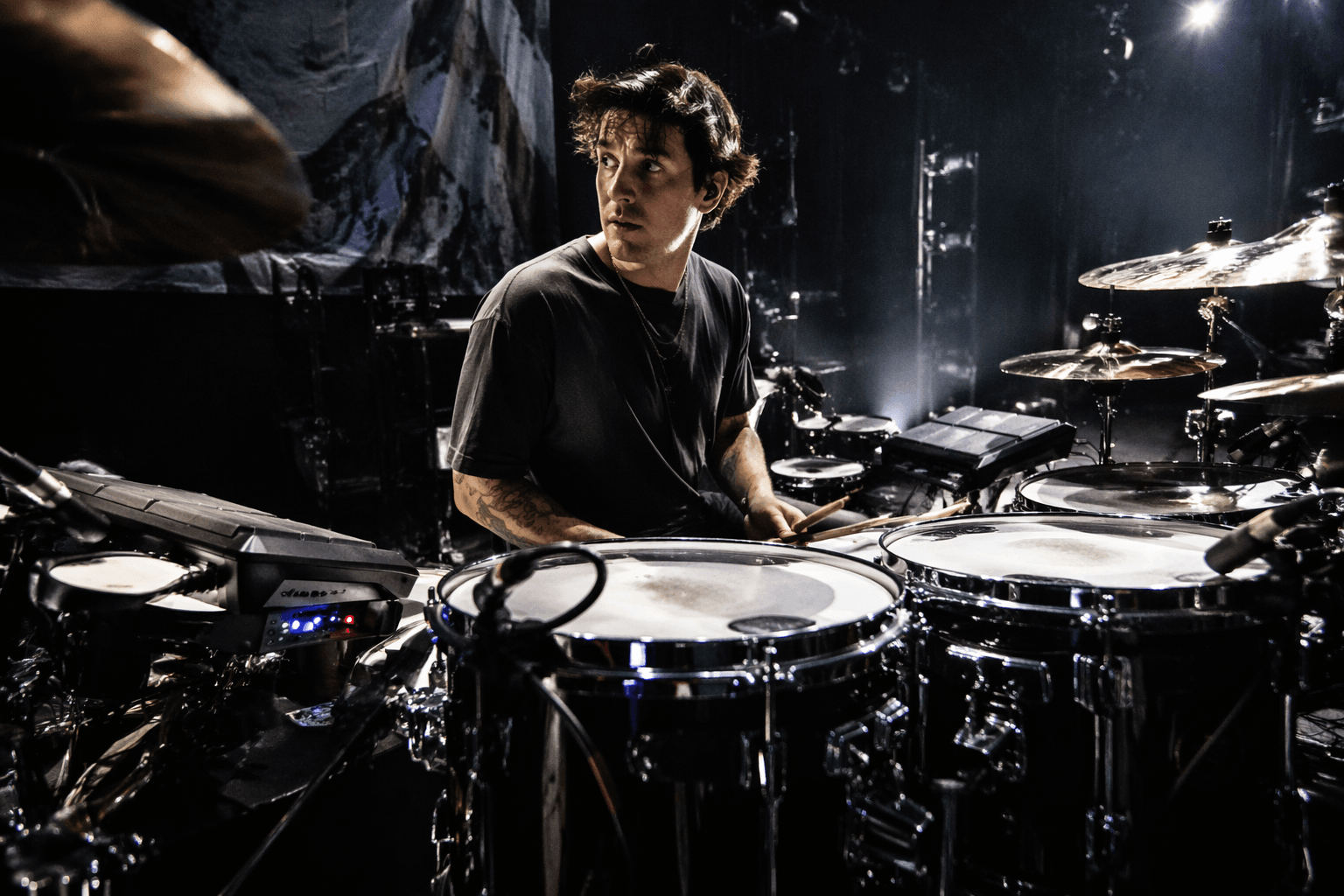
Joe Morello Master Studies II Reclaims Time, Touch, and Phrasing
Joe Morello's Table of Time still exposes shaky time fast, and Master Studies II turns that challenge into cleaner touch and phrasing at the kit.
Why this book still matters now
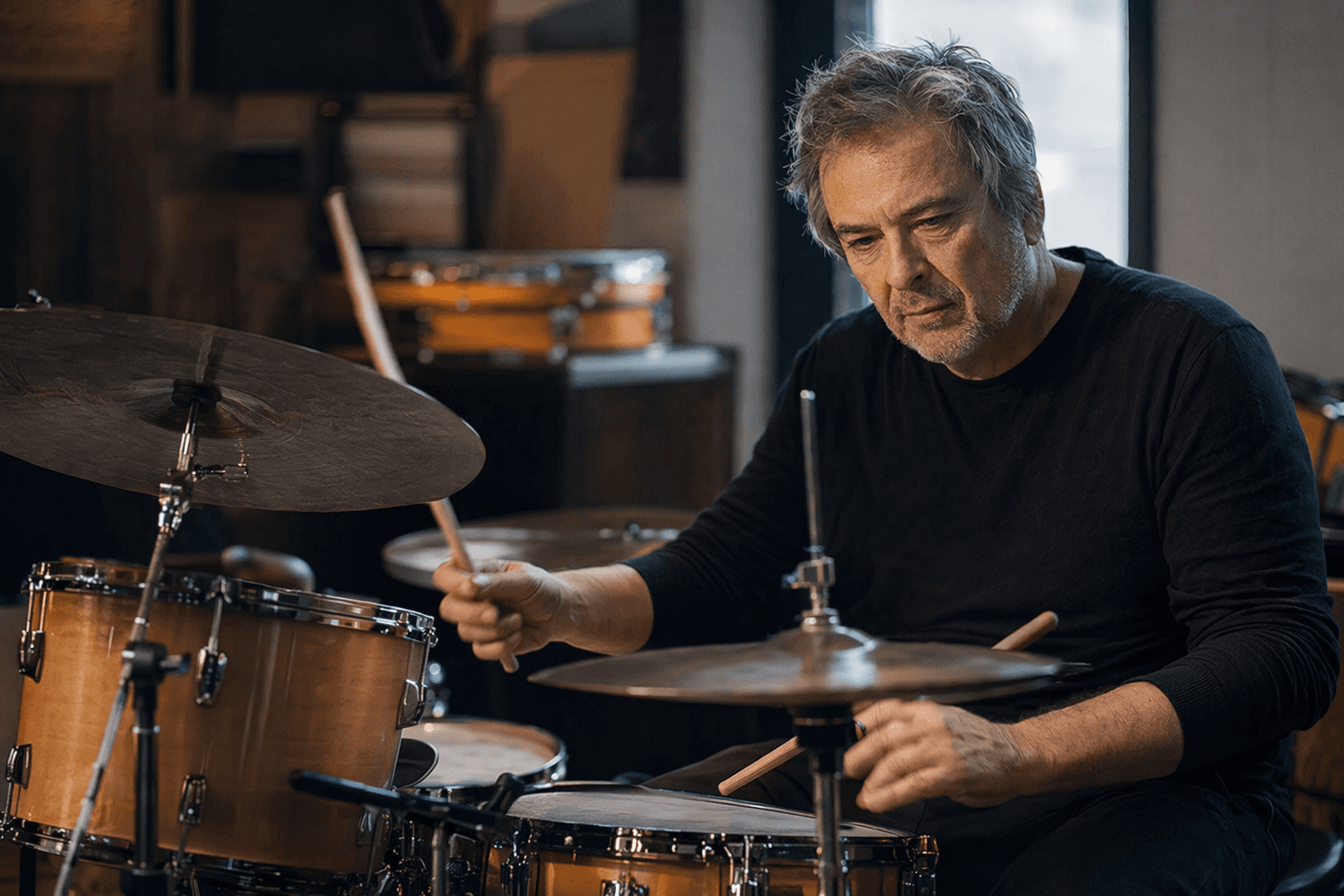
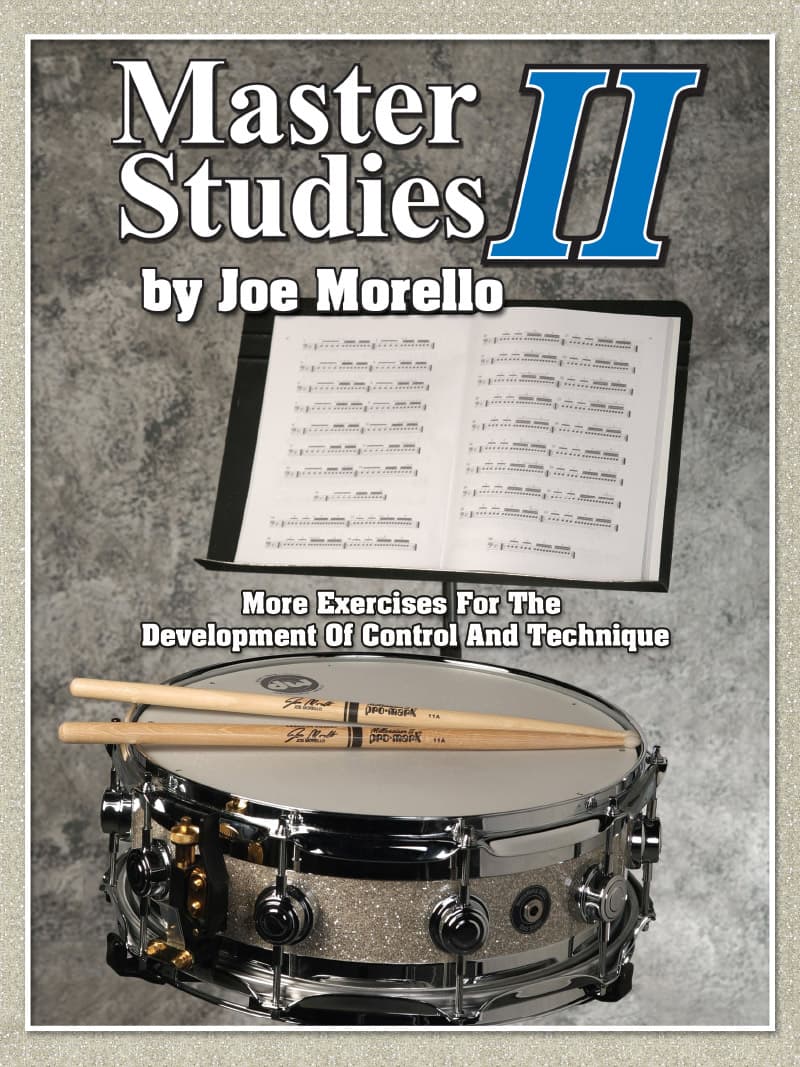
Joe Morello’s Table of Time keeps earning its place because it does more than test whether you can count. It shows you how steady time, touch, and phrasing break down, then gives you a way to rebuild them with control. That is the real pull of *Master Studies II*, released in 2006 as a follow-up to Morello’s landmark *Master Studies*: the material is not there to impress you, it is there to make your playing more stable, more musical, and more deliberate.
That distinction matters. Morello is often remembered for the flash of his name and the famous drum solo on “Take Five,” but his deeper legacy is as a teacher whose work still solves everyday problems behind the kit. The exercises in *Master Studies II* are the kind that expose rushed hands, uneven spacing, and weak internal pulse quickly, which is exactly why they still belong in a modern practice room.
What Master Studies II actually is
Hudson Music describes *Master Studies II* as a continuation of the ideas in the original *Master Studies*, and that framing is important. This is primarily a hands-development workbook, not a drumset coordination book, although several exercises can be adapted to the kit. In other words, the value starts at the pad, where you can hear and feel every flaw in touch, but it does not have to stay there.
Hudson Music also recommends practicing the exercises with a metronome, which fits the book’s purpose perfectly. The metronome keeps the focus on whether your strokes sit inside the beat or lean against it, and that makes the material useful far beyond a purely technical warmup. When you move the same ideas to snare, toms, or cymbals, you are not just playing patterns, you are checking how your time behaves under pressure.
Why the Table of Time still unlocks new ideas
The Table of Time is the piece that turns this revisit from a simple reissue into a real practice tool. Modern Drummer’s series points back to that concept as one of the book’s most durable lessons, especially because it can be used to create interesting polyrhythms. That makes the page feel less like a museum piece and more like a map for present tense drumming.
If you have ever felt that your limbs can execute a pattern but the phrase still sounds square, the Table of Time is built for that exact problem. It helps you hear how a figure sits across the pulse, where accents can live, and how different groupings create tension without losing the grid. The result is not just better coordination. It is a more controlled sense of phrasing, the kind that makes fills land with shape instead of clutter.
- steadier internal time, because the exercise keeps pulling you back to the pulse
- better touch, because the hands have to stay even while the mind tracks the pattern
- more controlled phrasing, because the rhythmic relationship becomes part of the sound instead of an accident of sticking
The immediate payoff is practical:
A lesson that comes from a serious lineage
Part of why Morello’s method books still feel so usable is that they sit inside a very clear teaching lineage. Percussive Arts Society notes that Morello first studied with show drummer Joe Sefcik before working with George Lawrence Stone, the author of *Stick Control for the Snare Drummer* in 1935 and *Accents and Rebounds for the Snare Drummer* in 1961. Stone was impressed enough with Morello’s ideas to dedicate *Accents & Rebounds* to him, which says a lot about how much Morello contributed to the language of hand technique as a student, not just as a performer.
That background gives *Master Studies II* a particular kind of authority. You can hear the connection to classic American drum pedagogy in the way the exercises insist on precision, rebound, and consistency before anything decorative happens. Morello did not come out of a vacuum, and that is part of the book’s strength. It takes the old discipline of Stone’s method books and pushes it toward a broader musical awareness.
The player behind the page
Morello’s reputation as a household name in jazz drumming came in large part from his 12-year stint with the Dave Brubeck Quartet. Percussive Arts Society highlights that period as the one that made him unmistakable to generations of drummers, and for good reason. His work on “Take Five” remains one of the most famous drum solos in jazz history, not because it is merely fast or busy, but because it balances shape, confidence, and time feel in a way that still gets studied.
That matters here because the educational side of Morello’s career was never separate from the performance side. The same player who could define a standard on record also built exercises that teach you how to hold space inside a phrase. When you work from *Master Studies II*, you are not just borrowing from a legend’s past, you are stepping into the habits that supported that level of control.
How to use it at the pad and the kit this week
The best way to approach *Master Studies II* is to treat the Table of Time as a microscope, not a puzzle. Keep the metronome honest, start slowly, and listen for where the hand sound changes when the rhythm shifts against the click. Once the pattern feels even on the pad, move a few of the ideas to the kit and hear whether your phrasing still breathes when the orchestration changes.
A simple practice takeaway: 1. Put the metronome on a comfortable tempo. 2. Play one Table of Time-style figure on the pad with relaxed, even strokes. 3. Repeat it on the snare and move only after the pulse feels calm. 4. Add a small drumset interpretation, keeping the same spacing and touch.
That is enough to reveal whether your hands are truly controlling the phrase or simply surviving it. The benefit is immediate, because the exercise shows you exactly where your time drifts and where your touch gets tense.
Joe Morello died on March 12, 2011, at age 82, but the working value of his teaching has not gone anywhere. *Master Studies II* still belongs in the daily vocabulary of drummers because it attacks the problems that never go out of style: time that wobbles, touch that gets heavy, and phrasing that needs more shape. That is why the Table of Time still matters. It gives you a clear way to make the pulse stronger, the hands more articulate, and the music more controlled.
This article was produced by Prism’s automated news system from verified source data, official records, and press releases, then run through automated quality and moderation checks before publishing. The system is built and supervised by the people who set the standards it runs under. Read our full AI policy.
Did this article answer your question?