Mike Portnoy’s 12-Step Suite turns recovery into a live statement
Mike Portnoy's recovery suite became a full live narrative when he played the five-part cycle outside Dream Theater, turning a private story into a public set piece.
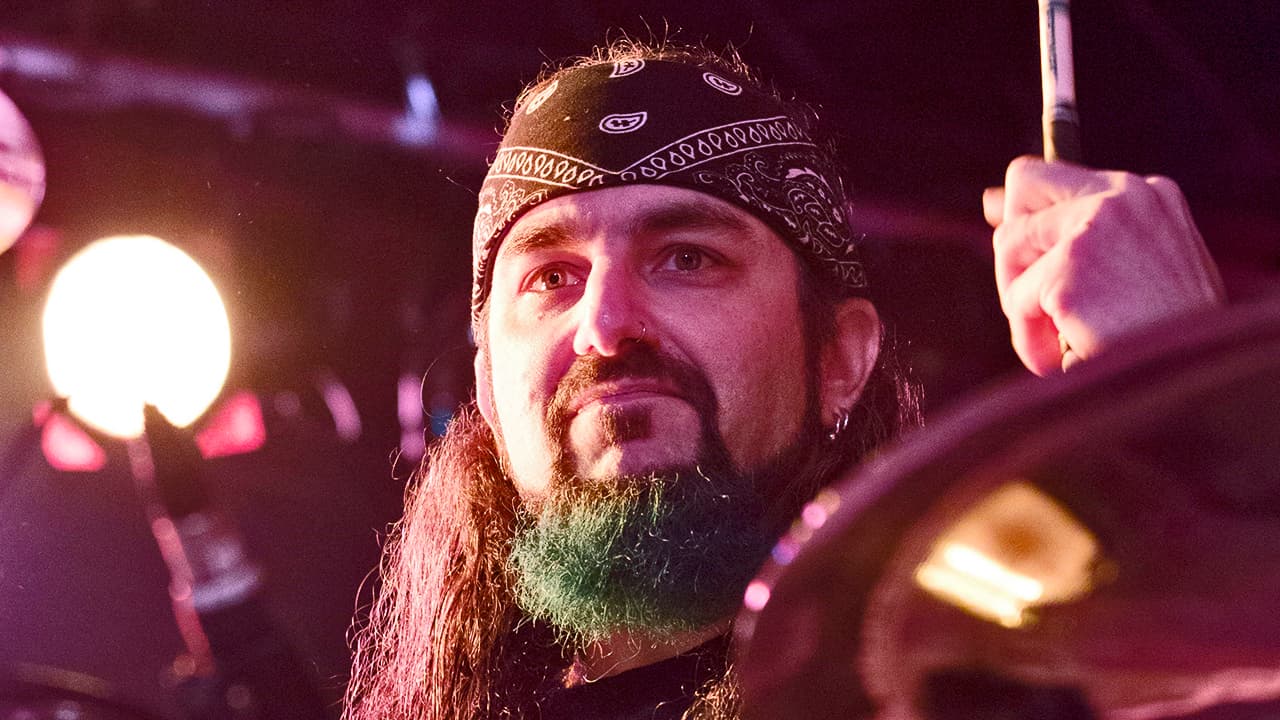
Mike Portnoy did not treat the 12-Step Suite like a museum piece. He turned it into a drummer’s autobiography with a pulse, then carried it onto a stage without Dream Theater, where the songs that grew out of his fight with alcoholism could finally stand on their own. That move changed the whole frame: this was no longer just a complex prog cycle, but a live statement about recovery, authorship, and what happens when a deeply personal work outlives the band that first housed it.
How the suite was built
The 12-Step Suite is a five-song cycle spread across five Dream Theater studio albums released from 2002 to 2009. It begins with “The Glass Prison” on *Six Degrees of Inner Turbulence* in 2002, then continues through “This Dying Soul” on *Train of Thought* in 2003, “The Root of All Evil” on *Octavarium* in 2005, “Repentance” on *Systematic Chaos* in 2007, and “The Shattered Fortress” on *Black Clouds & Silver Linings* in 2009. Across that span, Portnoy wrote the lyrics himself and tied each song to Alcoholics Anonymous’ twelve-step program, making the suite one of the clearest examples of drumming as long-form narrative rather than pure display.
That structure matters because the songs were never just isolated album tracks. They were chapters, released over seven years, with each installment extending the same personal thread of alcoholism and recovery. For a drummer known for precision, speed, and density, the surprise is not that the playing is exacting. It is that the whole project is so explicitly human, with the form of the suite mirroring the discipline and repetition built into recovery itself.
Why the sequence matters
The suite’s power comes from the order in which it unfolds. Portnoy did not dump all five pieces into one release and call it a concept album. He spread them across the band’s catalog, one song at a time, so listeners had to assemble the story the way he did: gradually, across years, with each new record adding a fresh step in the process. That sequencing gave the cycle its tension. It was never just about a final payoff, but about the act of continuing.
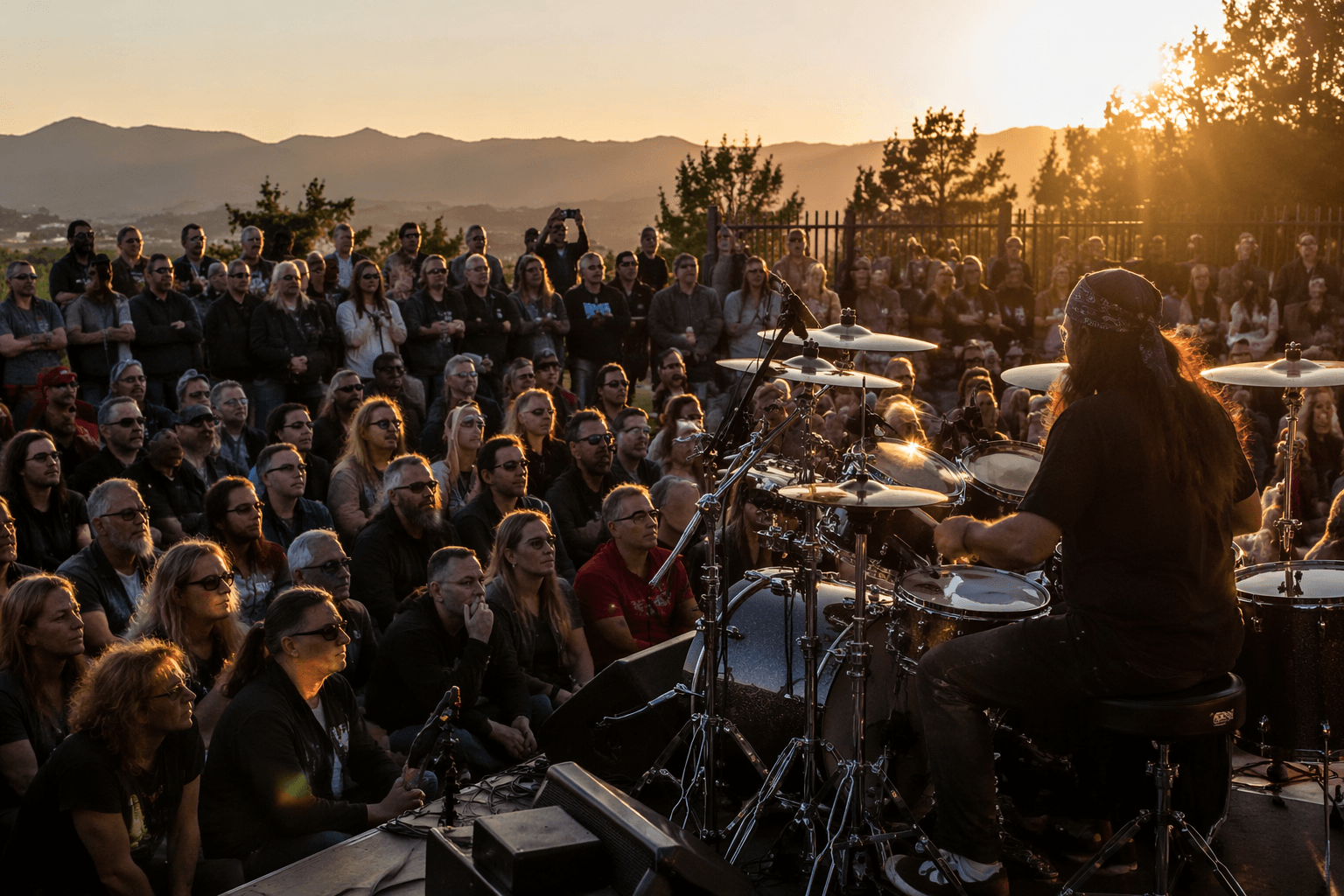
Dream Theater and Portnoy had intended for the suite to be performed live as one complete work eventually. That idea gave the songs a destination beyond the studio, a place where the separate parts could be heard as a single arc. Once the last piece, “The Shattered Fortress,” arrived in 2009, the suite was no longer only a recording project. It had become a set of linked statements waiting for a real-world performance to prove they belonged together.
The split that changed the plan
That live future became much harder to picture after Portnoy announced his departure from Dream Theater in September 2010, after 25 years in the band he co-founded. The exit did not erase the suite, but it changed its ownership in the listener’s mind. What had been conceived as a Dream Theater piece now belonged to a moment of separation, and that shift gave the material a different weight.
Portnoy later said he had once hoped to do the suite with Dream Theater, but his 2010 exit made that unlikely. That is the emotional hinge in the story. The work was written as a band project, yet the personal history inside it was always his alone. When the band split became part of the suite’s backstory, the songs stopped feeling like a shared concept and started feeling like a reclaimed memoir.
What the live revival changed
The first full live performance of the complete suite happened on Cruise to the Edge in February 2016, billed as the first time it had ever been played in its entirety onstage. Portnoy mounted it under the Mike Portnoy’s Shattered Fortress banner with guest musicians, a choice that kept the event collaborative without pretending the old Dream Theater lineup could simply be swapped back into place.
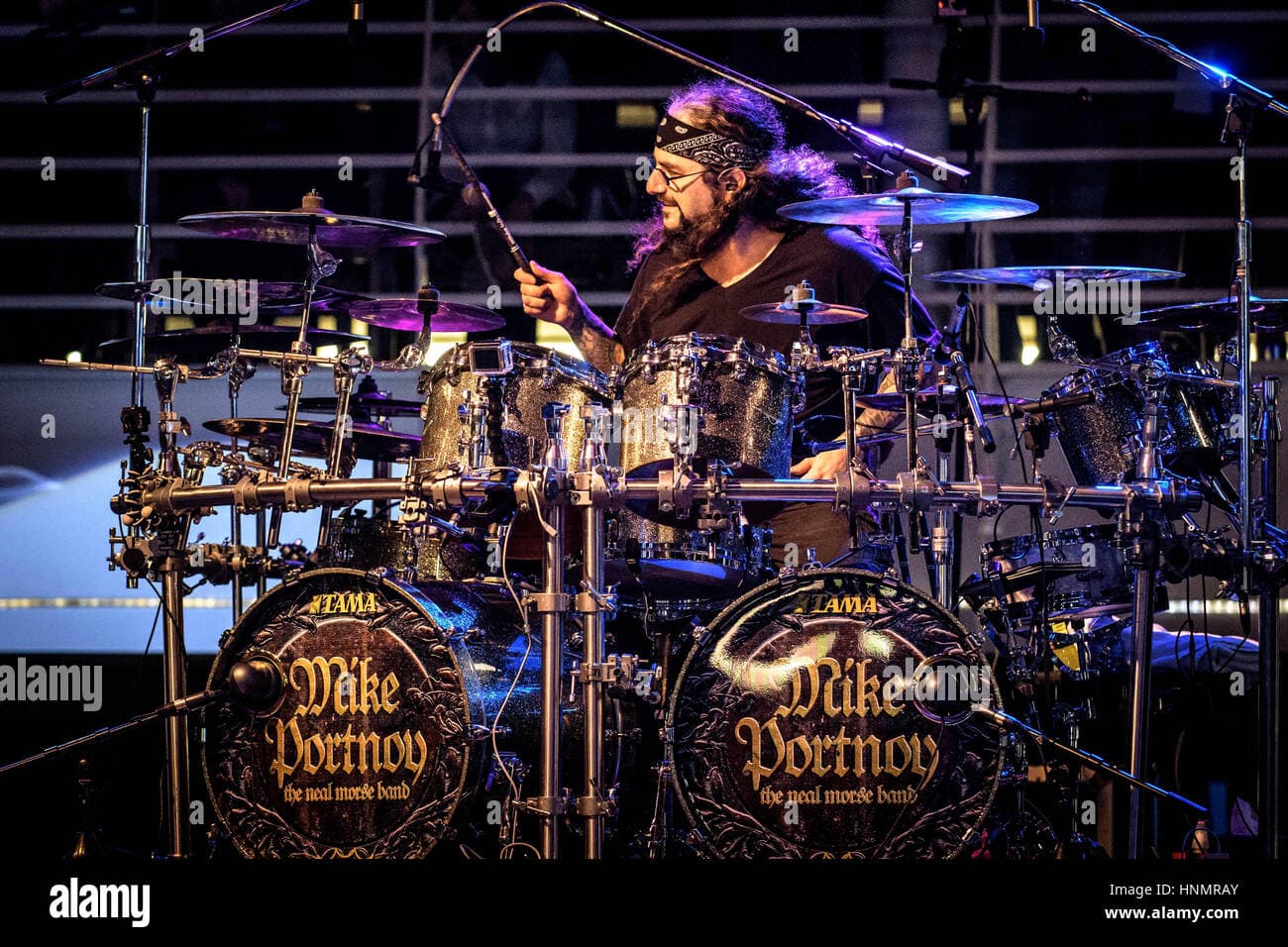
That detail is the key to understanding why the performance mattered beyond chops. Portnoy did not stage the suite as a nostalgia piece that depended on the exact original band. He built a version that could carry the material as his own, while still acknowledging the scale of the writing. The result was a live interpretation that kept the suite’s architecture intact but changed its context from band legacy to personal legacy.
He also made the celebration more like a musician’s gathering than a corporate reunion. Around the 50th-birthday idea that led to the performance, Portnoy said he had invited Flying Colors and Transatlantic, and extended invitations to some Dream Theater bandmates. That roster says a lot about the event’s purpose. It was not about recreating one fixed lineup so much as gathering the people around the drummer’s life in music, then placing the recovery suite at the center.
Why drummers keep coming back to it
The 12-Step Suite endures because it gives drummers something rare: a long-form work where the rhythmic ambition and the emotional content are inseparable. Portnoy’s writing is built on a real struggle with alcoholism, but the suite does not flatten that struggle into confession. It turns recovery into structure, with five songs, five albums, and a live performance history that finally closed the loop outside the band that first carried it.
That is why the story lands so hard in drumming culture. The kit is not just the vehicle for technique here. It is the instrument through which a drummer turned one of the hardest parts of his life into a sequence of songs that could survive the split, survive the years, and survive the move from Dream Theater’s shadow into its own live statement.
This article was produced by Prism’s automated news system from verified source data, official records, and press releases, then run through automated quality and moderation checks before publishing. The system is built and supervised by the people who set the standards it runs under. Read our full AI policy.
Did this article answer your question?