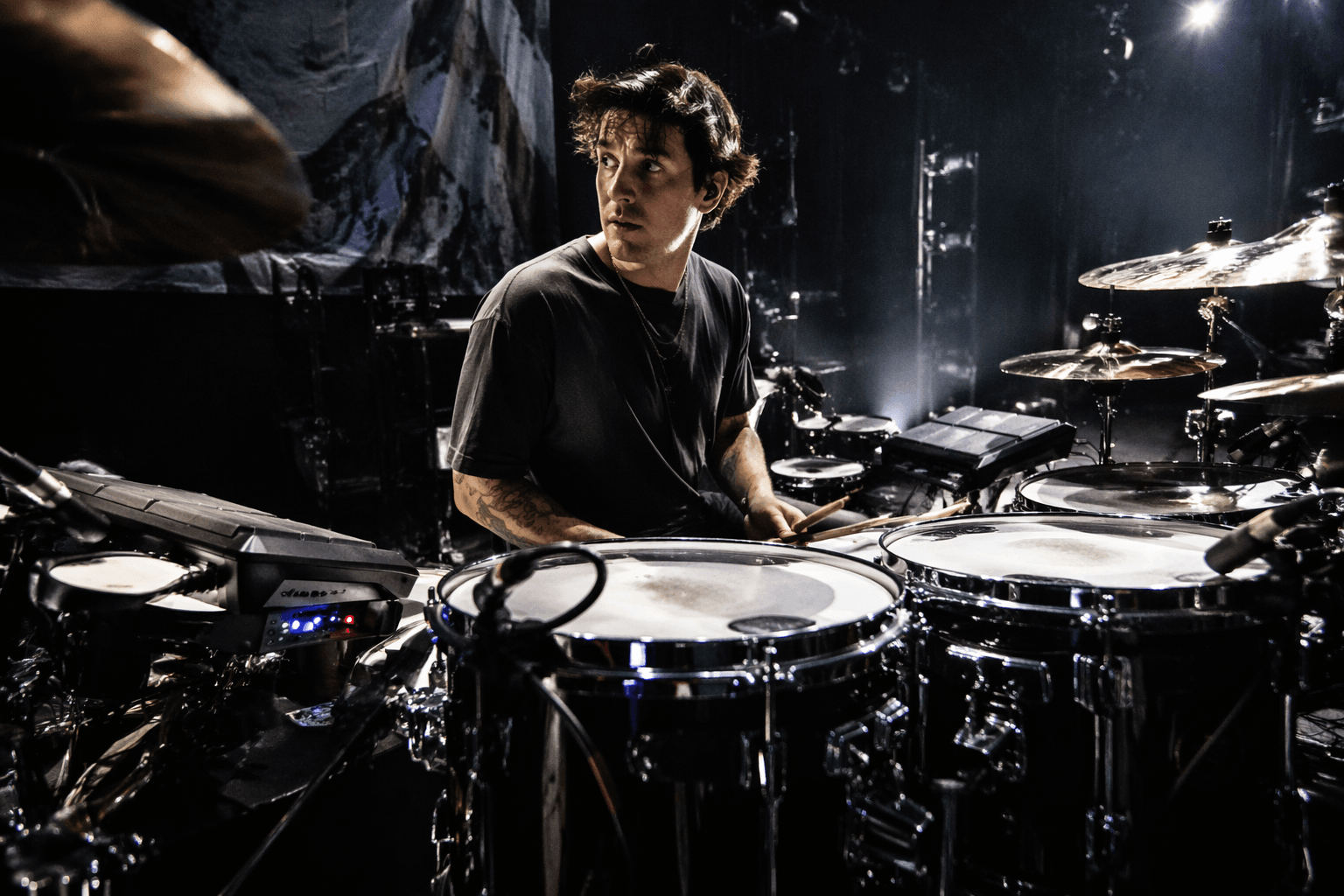
Monstrosity Drummer Lee Harrison Details New Album and Florida Death Metal Roots
Lee Harrison has been Monstrosity's sole constant since 1990, and "Screams From Beneath the Surface" shows exactly why patience in death metal is its own kind of brutality.
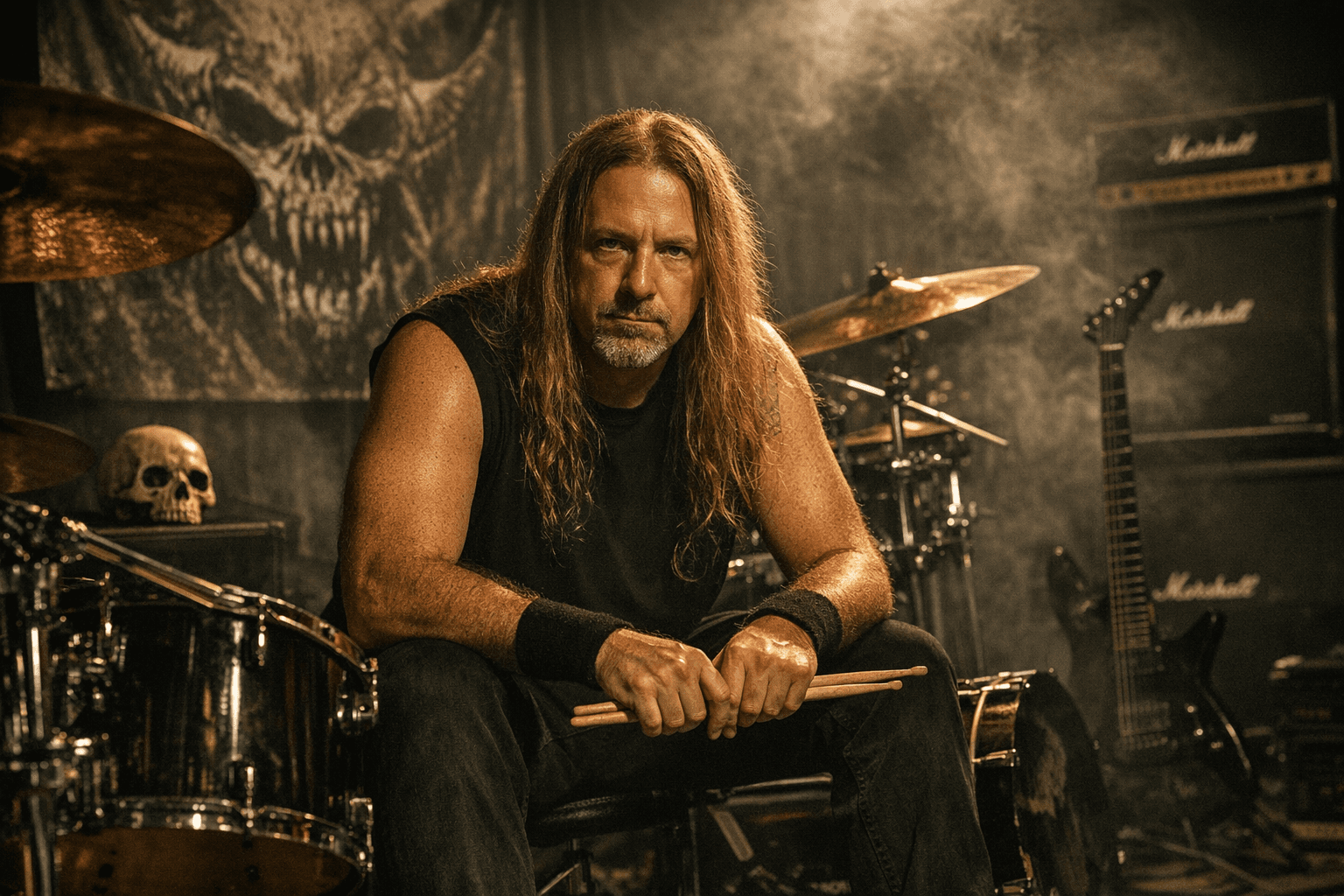
Born in Fort Lauderdale, Built to Last
Lee Harrison co-founded Monstrosity in 1990 in Fort Lauderdale, Florida, alongside vocalist George "Corpsegrinder" Fisher and bassist Mark Van Erp, who had just left Cynic to join the project. Harrison himself was fresh off a stint with Malevolent Creation, and Fisher relocated from Baltimore specifically to make the band happen. That origin story matters: Monstrosity didn't emerge from the same incestuous Tampa scene that birthed Deicide, Morbid Angel, and Obituary. They were Fort Lauderdale outliers, and that slight geographical remove may be part of why, for all their quality, they've never quite commanded the same mainstream recognition in extreme metal circles.
The 1992 debut "Imperial Doom" on Nuclear Blast introduced the world to Corpsegrinder's voice before Cannibal Corpse swooped in and made him a household name, and the band has been playing from behind the shadow of their peers ever since. Harrison addressed this head-on in a recent interview: Monstrosity has consistently operated "under the heels" of Deicide, Cannibal Corpse, Morbid Angel, Death, and Obituary. He frames it not with bitterness but with clarity, positioning the band as part of a second wave of Florida death metal. That wave produced music of comparable intensity and technical depth, but arrived slightly later and has had to fight harder for its accolades.
A Lineup Rebuilt Around Legacy
Thirty-plus years of lineup changes later, Harrison remains the sole original member who has never left. But "Screams From Beneath the Surface," the band's seventh full-length released March 13, 2026 on Metal Blade Records, marks a significant symbolic reunion: original bassist Mark Van Erp is back, reconstituting the band's founding rhythm section for the first time in roughly three decades. That reunion alone is enough to make longtime fans pay attention.
Rounding out the current lineup is guitarist Matt Barnes, a long-tenured presence who brings continuity to the guitar side of the equation, and vocalist Ed Webb, ex-Massacre, whose guttural delivery brings a visceral new energy to the band's sound. Harrison has described the new record as reflecting the band's "seamless chemistry," and the structural integrity of that lineup, with Webb's aggression sitting on top of a Harrison-Van Erp rhythm section that has been playing together since the scene was still inventing its own vocabulary, gives the album a foundation that purely assembled bands simply can't manufacture.
Starting the Next Album During the Last Mix
One of the most instructive parts of Harrison's commentary around "Screams From Beneath the Surface" involves how he actually began writing it. While Monstrosity was still in the mixing stage of their previous record, Harrison was already laying down new material. Four songs came out of that period: "Banished to the Skies," "The Atrophied," "The Thorns," and "The Dark Aura." His intent was to get a head start so the next album wouldn't drag on indefinitely, though, as he put it, life had other plans.
Drum tracking started in earnest in early 2023 at Audiohammer Studios in Sanford, Florida, with producer Jason Suecof, whose credits include work with The Black Dahlia Murder, Deicide, and Job for a Cowboy. Harrison has specifically singled out the Audiohammer environment as a creative asset, noting that Suecof's relaxed working atmosphere allows more time to dial in tones and ensure the drum sound is as strong as it can be. After tracking drums and bass at Audiohammer, the band shifted to Morrisound Studios in Tampa for vocals, guitars, and mastering, reuniting with legendary producer Jim Morris. The two-studio split isn't just logistical; it's a deliberate sonic layering that combines Audiohammer's modern precision with Morrisound's historic warmth.
A South American tour landed in the middle of the production timeline, pushing guitar tracking toward the end of 2023. Bass sessions with Van Erp began in early 2024 and were done sporadically, worked around studio scheduling and Van Erp's day job obligations. That kind of real-world friction is the unglamorous reality of sustaining a death metal band across decades, and Harrison's willingness to accommodate it rather than compromise the parts reflects a longer-game mentality.
The Songs: Structure, Experimentation, and Atmosphere
Harrison has spoken openly about the range of structural approaches on the record, and it's more varied than the Monstrosity name might lead you to expect. Some tracks follow a near-conventional arrangement logic: verse, pre-chorus, chorus, repeat. "The Atrophied" is a different kind of beast, one that contains those familiar signposts but wanders deliberately, opening into sections that take the listener somewhere unexpected before circling back. Harrison has described these songs as tending to write themselves, driven by gut feeling and creative instinct rather than a predetermined template.
"The Dark Aura" gets a specific callout as the album's most experimental piece. Harrison describes it as a distant cousin to "Fragments of Resolution" from the band's 1996 Millennium record, sharing that track's slower, doom-inflected heaviness and heavy reliance on atmosphere. For long-term Monstrosity followers, that comparison is a meaningful signal. For newcomers, it's a reminder that this band has always been capable of more textural range than their brutal reputation implies.
The album opener "Banished to the Skies" has already created conversation, with Harrison noting that some listeners were confused by its placement as the lead track. It's a choice that signals confidence: the band sequenced the record the way they heard it, not the way algorithm-optimized playlisting might suggest.
Quality Over Churn, and the Discipline That Requires
Harrison's consistent theme across interviews promoting this record is that Monstrosity refuses to rush anything. That's not an excuse for inactivity; it's a production philosophy backed by a recording timeline that stretched across multiple years, a continent-crossing tour, and the practical realities of coordinating schedules across a band that isn't surviving on music income alone. The result is a record that arrives deliberate and dense rather than reactive.
For drummers tracking what this looks like in practice, the approach at Audiohammer is instructive: slow down in the studio, prioritize tone over tempo, trust the producer's environment. Harrison's drum sound on this record didn't happen because of superior gear alone; it happened because the session setup allowed time to experiment and refine. That patience extends into the band's promotional strategy as well, using videos as part of a staged single rollout to give each track room to land before the full album arrives.
After 36 years in business, Harrison shows no interest in retrofitting Monstrosity to fit a shorter attention span. "Screams From Beneath the Surface" is the kind of record that rewards patience in the listener, because it was built by a band that demanded it of themselves. The Screams Across Europe Tour 2026, running through April and May with Bio-Cancer, Reject The Sickness, and Deadwood, gives the new material its first live test at scale. For a band that's spent three and a half decades proving the second wave can hit just as hard as the first, that stage is exactly where the argument gets settled.
This article was produced by Prism’s automated news system from verified source data, official records, and press releases, then run through automated quality and moderation checks before publishing. The system is built and supervised by the people who set the standards it runs under. Read our full AI policy.
Did this article answer your question?