Phil Collins recalls nearly losing the Roland CR-78 behind In the Air Tonight
Phil Collins nearly handed away the Roland CR-78 that powered In the Air Tonight, then had to fish it back from a roadie. The mistake turned into a lesson in spotting great gear before it looks essential.

Phil Collins almost let one of pop’s most important drum machines walk off with the road crew. After bringing a brand-new Roland CR-78 back from Japan with Genesis, he says he gave it to a roadie because he did not think he needed it, then quickly changed his mind and asked the road manager to get it back.
That near-miss lands differently once you know what the CR-78 became. Collins described it as “very basic” and “really a cocktail drum machine,” the kind of box built for bar piano players, not for defining a solo career. But that plain-looking machine sat at the center of In the Air Tonight, the lead single from Face Value, released in January 1981. The song peaked at No. 2 in the United Kingdom and stayed on the chart for 10 weeks, with the iconic drum break helping turn Collins from Genesis frontman into a solo star.
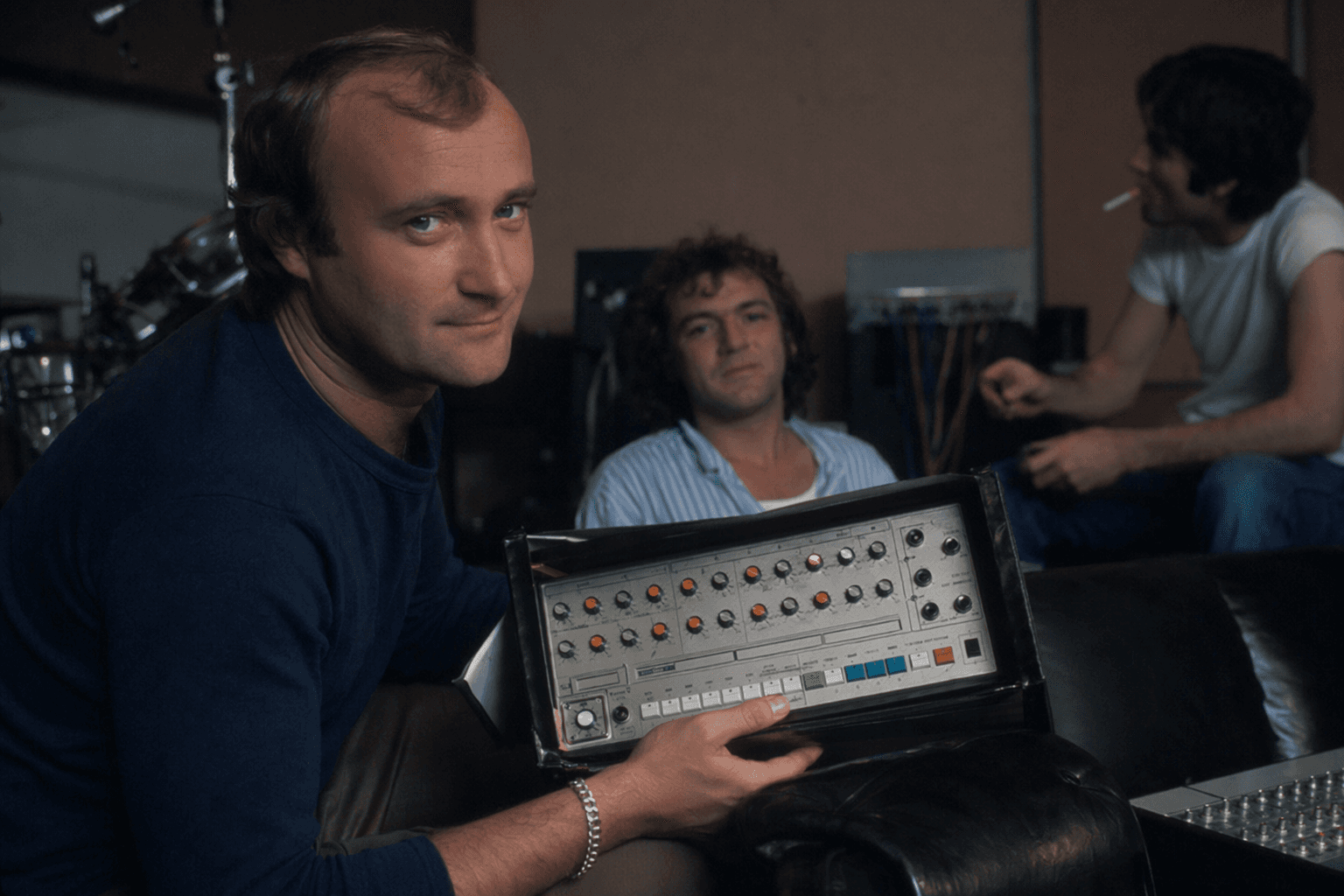
The story is a useful gear-history reminder because the CR-78 itself was a turning point. Roland introduced it in 1978, when drum machines were still mostly preset affairs, and the company says its user programmability marked a shift in what the machines could do. Roland now places the CR-78 among the early rhythm boxes that became essential ingredients in pop, soul, dub and post-disco records, which is exactly the kind of reputation a drummer can miss when a machine first looks like disposable studio clutter.
That tension is the whole point of Collins’ recollection. A tool that seemed too basic to matter became one of the defining textures in one of the most recognizable tracks of the 1980s. In the hands of a writer or producer, that is a cautionary tale. In the hands of a drummer, it is a practical one: the gear that feels limited in one setup can become the thing that unlocks a new writing space when you are working alone, sketching parts, or building a song around pulse instead of fills.
Collins’ memory also fits the long shadow of the song itself. The interview on SiriusXM’s Trunk Nation with Eddie Trunk revisited how that record came together, but the CR-78 detail does the heaviest lifting. It shows how quickly a drummer’s first judgment can be wrong, and how often the most valuable sounds arrive disguised as ordinary boxes.
This article was produced by Prism’s automated news system from verified source data, official records, and press releases, then run through automated quality and moderation checks before publishing. The system is built and supervised by the people who set the standards it runs under. Read our full AI policy.
Did this article answer your question?