Roland TR-808 changed the sound of modern drumming forever
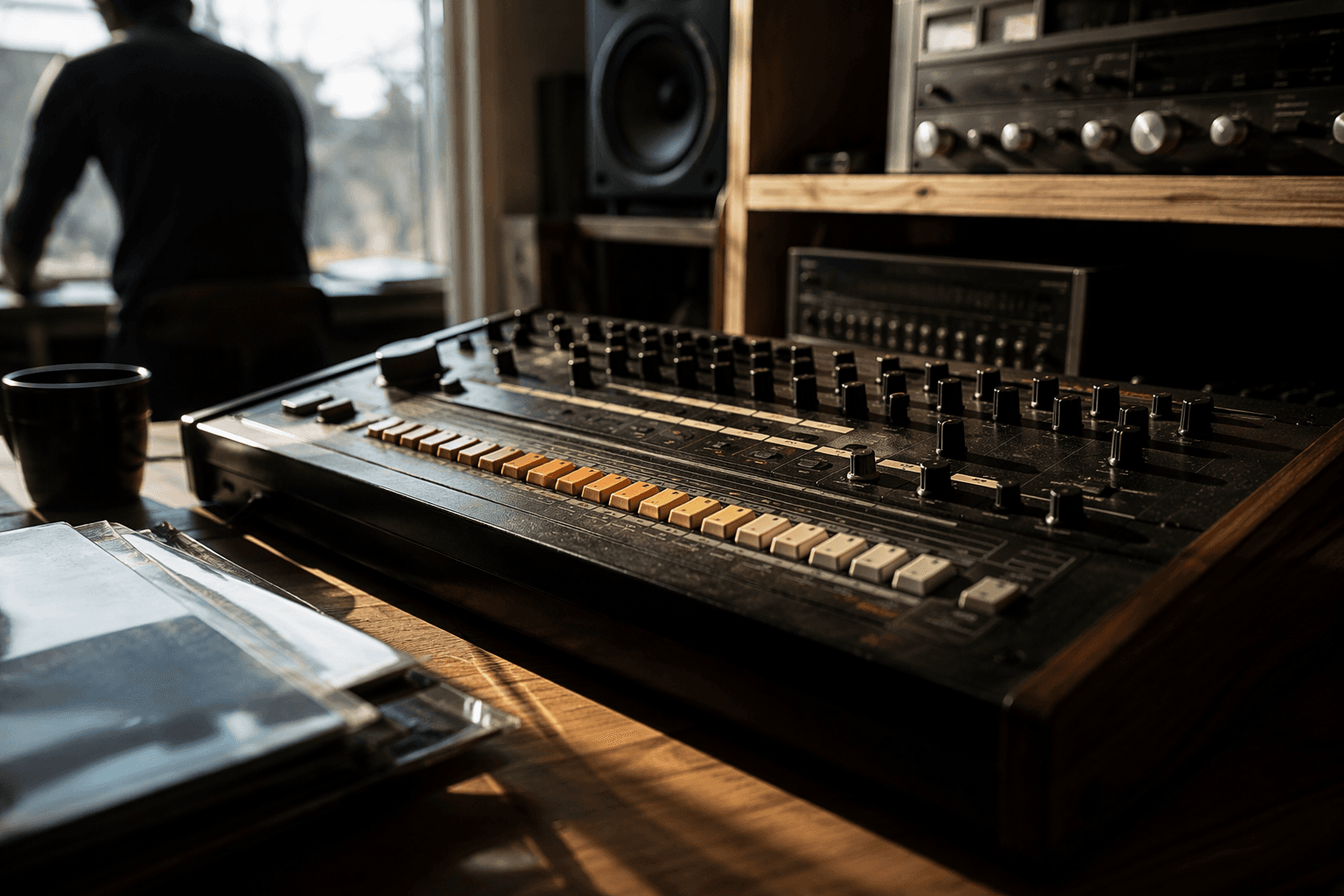
The TR-808 did not just replace drums, it rewrote groove, turning kick, snare and hi-hat into a new language that drummers still borrow, resist and hybridize.
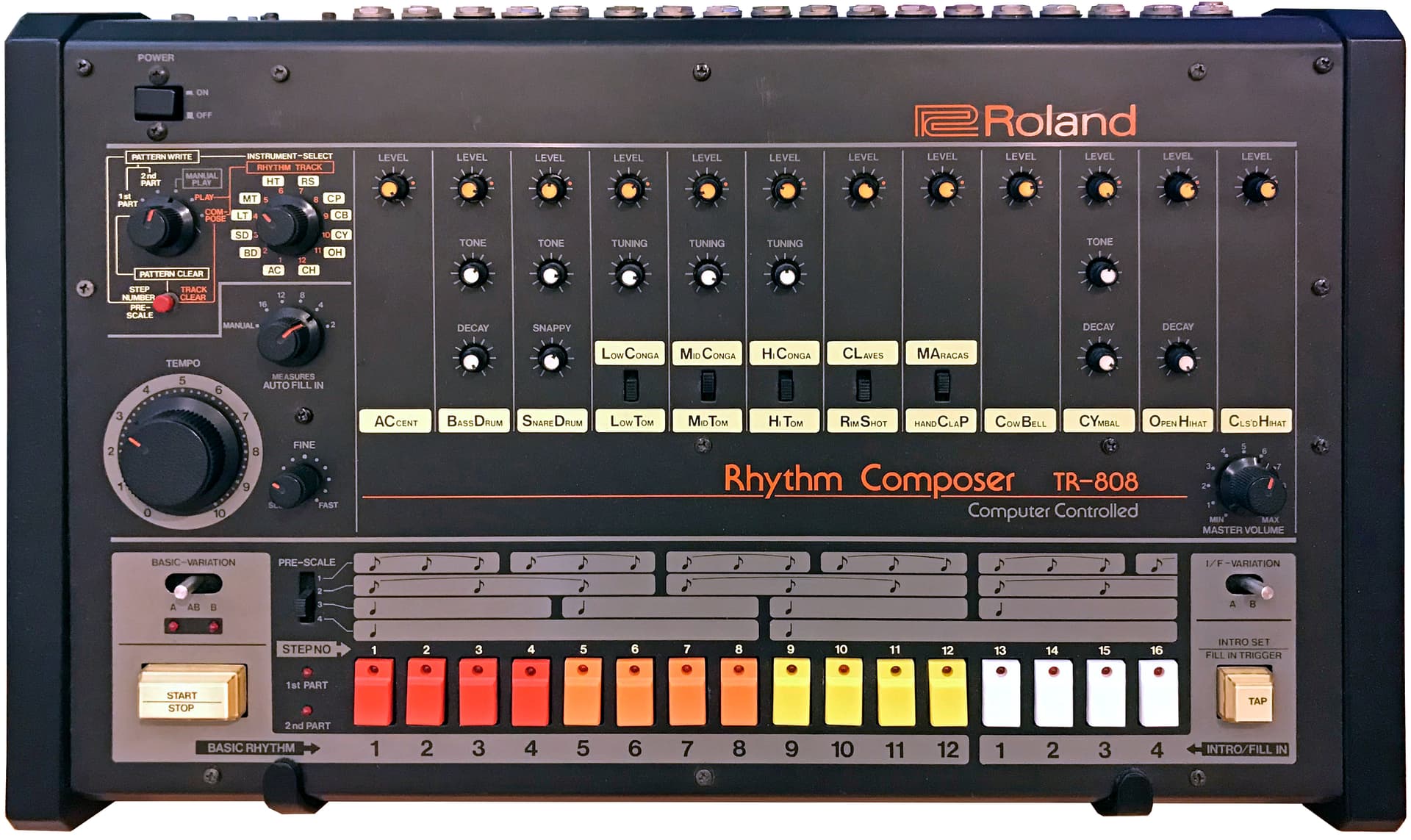
Introduced in 1980 and discontinued in 1983 after only about 12,000 units were made, the Roland TR-808 was a commercial dead end at launch. It failed as a realistic substitute and became more important because of it, and its sound now sits inside the way modern players think about pulse, decay and low-end weight.
From failed drum replacement to rhythm standard
Roland built the TR-808 as a drum machine, not as a nostalgia object. The machine was never embraced as a convincing acoustic kit clone, and its launch was a commercial disaster. Even its oddball sounds became part of the legend, with Keyboard Magazine describing the hi-hat as sounding like “marching anteaters,” far from the polite shimmer drummers expected from a cymbal substitute.
That mismatch is exactly why the 808 lasted. Instead of behaving like a rack of fake toms and snares, it offered a synthetic kick, snare, hi-hats and cowbell with a character of their own. The TR-808 changed the sound of pop music, and once producers and drummers stopped judging it by realism, its strange, clean, unapologetically electronic voice became the point.
Why the 808 changed what a groove can be
If you come up through acoustic drumming, you are trained to think in terms of stick response, shell resonance, cymbal wash and the way a backbeat sits against a live room. The 808 pushes a different logic: note placement matters, but so does decay, and the space between hits becomes part of the groove rather than dead air. Its kick drum, especially, became iconic for its deep sub-bass character, strong enough to anchor an entire track with very little else in the arrangement.
That low-end authority changed how rhythm sections were built. On a kit, the kick and snare usually lock the song into a human, physical center, while hats and cymbals fill in motion and texture. The 808 rebalanced that hierarchy, making the kick a structural event, letting the snare act more like a sharp marker than a room-filling crack, and turning hi-hats into a programmable pattern rather than a purely performed wash.
That shift also changed how drummers hear time. The machine encouraged quantized precision, repetitive cells, and a groove that can feel almost architectural, with every subdivision nailed into place. At the same time, it exposed a new tension for players: whether to lean into that grid-tight feel, soften it with swing and touch, or deliberately push against it to restore the give and drag that acoustic kits create naturally.
How the 808 spread across styles
The TR-808 became especially influential in hip-hop, electronic music, pop, dance, rock, R&B and later trap. The instrument’s sounds were never trying to reproduce an acoustic kit exactly, and that limitation became its identity in those genres, where the kick’s depth and the snare’s shape could define the track as much as a live drummer could.
That influence now shows up in working drummer workflows, not just producer history. You hear 808-style sounds in practice pads, sample packs, electronic kits and DAWs, and live players often trigger or program 808-inspired parts to support arrangements built around programmed bass and percussion.
Roland has kept that legacy active by offering a software version through Roland Cloud.
Why scholars and players keep coming back to it
The University of Chicago music department hosted Jennifer Iverson’s 2021 talk, “TR–808: Race, Groove, and Drum Machines,” placing the machine inside broader questions about groove, culture and musical meaning. The 808 is also a case study in how rhythm technology changes who gets to define the beat and what counts as a convincing groove.
That debate is still alive in drumming rooms and production sessions. Some players hear the 808 as a liberation, because it opened the door to sounds and patterns that acoustic conventions would never have prioritized. Others hear standardization, because the machine helped normalize a tighter, more grid-based feel that can flatten the looseness and nuance of a live kit if you let it do all the work.
This article was produced by Prism’s automated news system from verified source data, official records, and press releases, then run through automated quality and moderation checks before publishing. The system is built and supervised by the people who set the standards it runs under. Read our full AI policy.
Did this article answer your question?