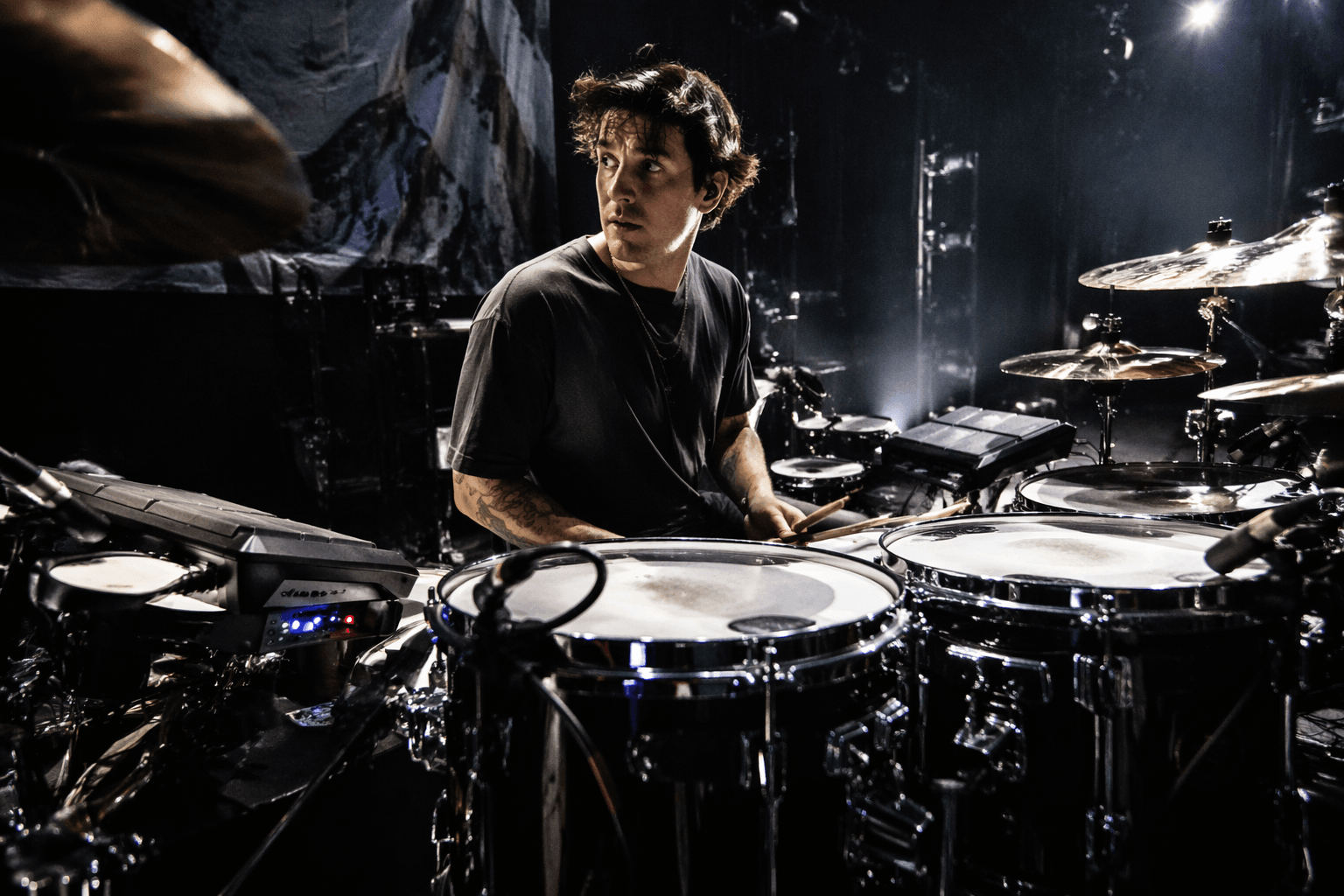
Steve Gadd turns 81, spotlighting the grooves that defined modern drumming
Steve Gadd at 81 is a reminder that the grooves players study hardest are the ones built on touch, pocket, and restraint.
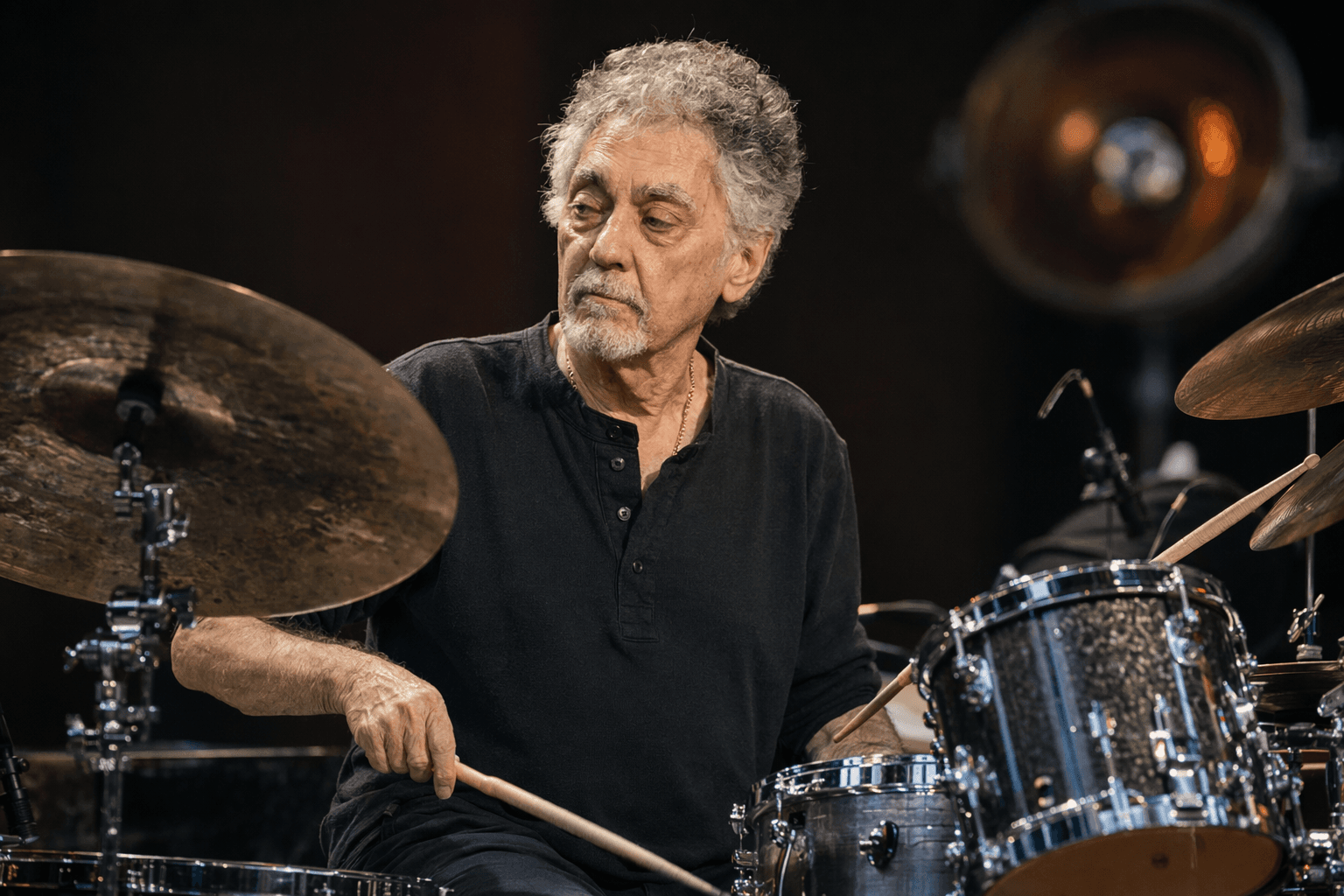
Steve Gadd at 81 is not just a birthday marker. It is a clean benchmark for why some drummers stay in the conversation long after louder styles have faded, because Gadd built a career on making the part feel right instead of making himself the loudest thing in the room.
He sits in the Modern Drummer Hall of Fame and is widely regarded as one of the most influential session players in modern music. That matters because his reputation was not built on spectacle. It was built on the kind of playing that makes producers relax, songs settle in, and other drummers lean forward and start studying the placement of every note.
The 50 Ways to Leave Your Lover lesson: economy can still be unforgettable
Paul Simon’s "50 Ways to Leave Your Lover" is one of the first Gadd records people bring up for a reason. The part is memorable without being crowded, and that is exactly why it holds up. Gadd does not fill every space just because he can. He shapes the groove so the song keeps moving with a steady, confident pulse that feels finished the first time you hear it.
That is the first thing drummers can steal from him without copying a lick: play less, but make every note count. The magic is not in piling on ideas. It is in the touch, the control, and the way the groove sits in the track so naturally that you stop hearing the drummer and just hear the song working.
What to practice from it
• Keep your backbeat clean and unforced. • Leave space where a lesser player would add a fill. • Focus on consistency from bar to bar so the groove feels inevitable.
That kind of restraint is harder than it sounds, because it exposes your time, your dynamics, and your confidence. Gadd’s appeal on this recording is that nothing feels forced, yet the part is instantly identifiable.
Aja shows how a drum part can serve the whole arrangement
If "50 Ways to Leave Your Lover" is the master class in economy, Steely Dan’s "Aja" is the reminder that feel and arrangement are not separate skills. The recording is famous partly because Gadd’s playing is so musical that it helps define the entire atmosphere of the track. He is not simply keeping time. He is helping build the song’s architecture.
That is why drummers still return to it. The part rewards close listening because the groove is controlled, the placement is deliberate, and the whole performance is tuned to the shape of the arrangement. You hear a player who understands that the best drum work in a dense record is often the work that makes everyone else sound better.
The takeaway is practical: when you rehearse, do not treat timekeeping and arrangement awareness as different jobs. Listen to where the vocal lands, where the harmony opens up, and where your dynamics can make the band feel bigger without getting busier. Gadd’s greatness on a record like "Aja" is that he never sounds like he is fighting the track for attention.
Why his session work crossed pop, rock, fusion, and jazz
Part of Gadd’s lasting influence is that he moved across pop, rock, fusion, and jazz without losing his identity. That is rare. Plenty of players can sound convincing in one lane, but Gadd’s touch made him useful across a huge range of iconic recordings, and that range is a big reason he is still studied.
What ties it together is not a bag of licks. It is sonic identity. His grooves are tasteful, controlled, and deeply musical, which means the listener recognizes the player even when the style shifts around him. In practical terms, that is the model for any drummer who wants to work in different rooms: make your time feel trustworthy before you worry about making it flashy.
The part behind the part
The most durable thing in Gadd’s playing is not a single fill or signature move. It is the combination of touch, pocket, and restraint that lets a groove feel complete. That is why his work keeps getting referenced by drummers who care about feel more than showmanship.
- Touch: his notes feel placed, not slammed.
- Pocket: the groove locks into the song instead of racing ahead of it.
- Restraint: he leaves room for the arrangement to breathe.
- Identity: even when he is supporting the track, he still sounds like himself.
Those qualities are what make a drummer useful on records people return to for decades. Flash can grab attention for a night. A pocket like Gadd’s keeps paying rent.
Why 81 feels like a practical milestone, not just a tribute
Gadd’s 81st birthday is worth noting because his career proves something drummers learn the hard way: the most durable grooves are usually the ones that look simple from a distance and feel impossible up close. The deeper you listen, the more you hear how much of the performance depends on control, timing, and the discipline to let the song lead.
That is why his name still works as shorthand among players who care about groove. He represents a kind of excellence that does not depend on volume or display. It depends on making the first pass sound right, making the pocket feel inevitable, and making other musicians trust what the drums are doing. At 81, Steve Gadd is still the benchmark for that kind of playing, and the grooves that defined him are still teaching the rest of us how to stay out of the way and make the song hit harder.
This article was produced by Prism’s automated news system from verified source data, official records, and press releases, then run through automated quality and moderation checks before publishing. The system is built and supervised by the people who set the standards it runs under. Read our full AI policy.
Did this article answer your question?