Why drum tuning matters more than expensive gear
Bad tuning can make a budget kit sound expensive in reverse. Even lug tension, paired heads and simple kick-drum damping fix the biggest problems faster than new shells.
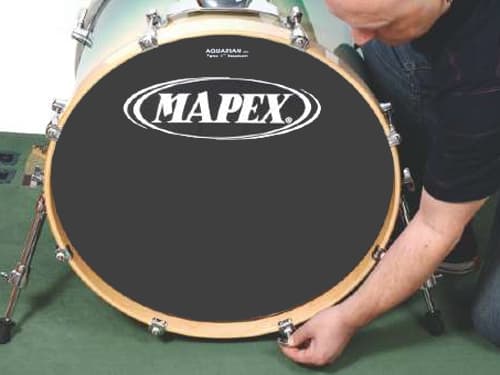
A boxy tom, a choked snare, and a flabby kick usually point to the same mistake: treating drum tuning like a hunt for one perfect pitch. Listen for the sonic problem in front of you, then fix it instead of forcing one setting onto every shell.
Drop the perfect-pitch myth
Drum tuning is not about cranking one lug until the drum suddenly blooms. Small changes at the lugs can create noticeable shifts in pitch and response, which is why drummers keep hearing advice about quarter-turn adjustments and even movement around the hoop. The real job is balancing tension across the head so the drum speaks cleanly, then shaping that voice for the room and the music instead of forcing one setting onto every gig.
Remo Inc. was founded by Remo Belli in 1957 in North Hollywood, California, after he recognized that traditional animal-skin heads were sensitive to temperature and humidity. Mylar drumheads first appeared around 1958, and that change helped make tuning far more stable and repeatable.
Start with the heads, not the lugs
Before you chase lug numbers, decide what the drumhead itself is doing. The batter head is the striking surface, while the resonant head shapes tone and sustain. That means coated versus clear, and single-ply versus double-ply, are not cosmetic choices. They change attack, sustain and feel the moment you mount them.
Remo published a drum-set tuning basics page on 2024-07-20 that treats head selection and tuning as core setup decisions for getting a usable sound from a kit. In practice, a tom head swap can change the note more dramatically than a new shell, and a bass drum head choice can do more for punch than a pricier badge on the front of the kit.

Read the symptom before you reach for the wrench
A boxy tom usually sounds short, papery and trapped inside the shell. The practical fix is not random tightening. Bring the lugs to roughly the same tension, then tune the batter and resonant heads as a pair so the drum has a controlled pitch relationship instead of two heads fighting each other. On toms, that relationship is often the difference between a dead thud and a note that opens up without ringing out of control.
A choked snare is a different problem. Here the drum is often too constrained, with tension that feels uneven or a head relationship that kills the sustain the drum needs. Because batter and resonant heads have different jobs, the answer is not to treat them identically. Re-seat the head, even out the lugs in small increments, and let the resonant head do its part in shaping tone and sustain rather than using brute force to flatten the sound.
A flabby kick usually gives itself away immediately: too much bloom, not enough definition, and a note that seems to linger without focus. That is where bass-drum setup tools matter. Muffling with a pillow or blanket, adding a felt strip, cutting a port hole in the resonant head, or changing to a harder or softer beater can all tighten attack and control decay without replacing the drum itself.
Use a repeatable tuning routine
A simple sequence keeps the process from turning into guesswork:

1. Seat the heads properly and bring each lug close to the same starting tension.
2. Go around the drum in small, even turns, because tiny lug changes create big audible differences.
3. Listen for the symptom, then adjust the relationship between batter and resonant heads instead of treating each head as an isolated part.
4. On the bass drum, use muffling and beater choice to control punch, note length and decay.
Modern Drummer has billed itself as “the world’s #1 drum community since 1977” and has kept tuning in the conversation for decades because every drum room still changes the answer. The same kit can sound wide open in one space and boxy in another, and the fix is usually a small, deliberate adjustment rather than a new shell pack.
Why expensive gear does not solve bad tuning
A poorly tuned kit can sound like a beginner instrument even in expert hands. A well-tuned midrange kit can sound polished and musical long before anyone asks what brand it is. The shell only gives you the raw voice, while the heads, lug tension and damping decide whether that voice reads as boxy, choked or clean.
Once the industry moved from humidity-sensitive animal skin to synthetic Mylar, tuning became more consistent, but it never became automatic.
This article was produced by Prism’s automated news system from verified source data, official records, and press releases, then run through automated quality and moderation checks before publishing. The system is built and supervised by the people who set the standards it runs under. Read our full AI policy.
Did this article answer your question?