Yamaha guide breaks down drumming technique for better control
Speed is rarely the real bottleneck. Yamaha’s drumming guide points to posture, rudiments, timing, and coordination as the quickest path to cleaner control.
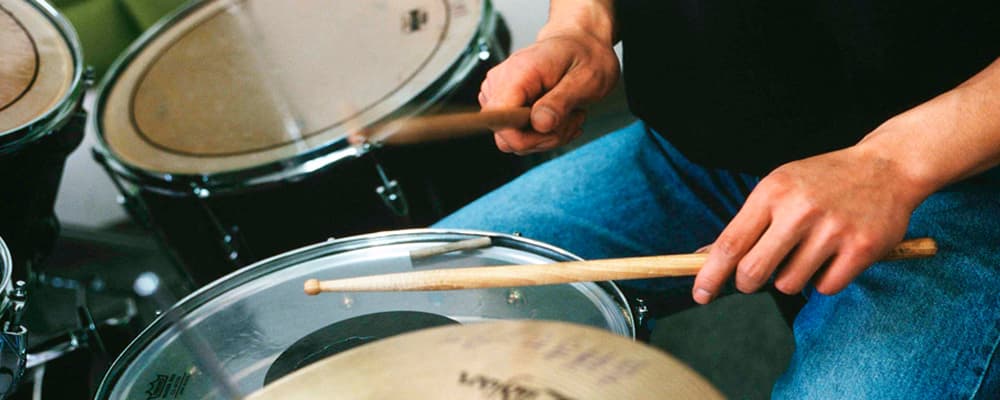
Tense posture, inconsistent strokes, and timing that drifts when the part gets harder are what usually stall beginner progress behind the kit. Yamaha treats technique as a practical skill where setup, motion, and sound all connect.
The bottleneck is control, not ambition
A lot of new players chase speed because it is easy to hear, but the real limiter is whether every stroke lands on purpose. Drumming is something you can learn in a structured way, not a gift you either have or do not have, and clean time, usable dynamics, and reliable coordination all come from technique first.
That is also why posture keeps showing up in drumming education. Body mechanics belong inside the performance conversation, and Drummerworld is direct about good posture being essential for optimal performance and preventing injuries. If your seat height, balance, or reach forces tension into the shoulders and wrists, you are not building control. You are building fatigue.
The foundations that pay off fastest
The first real technical gain comes from stick control. The Percussive Arts Society’s International Drum Rudiments are built from the traditional 26 rudiments, plus drum corps, orchestral, European, and contemporary additions. Rudiments are the vocabulary that lets a drummer make clean, repeatable motions on the kit.
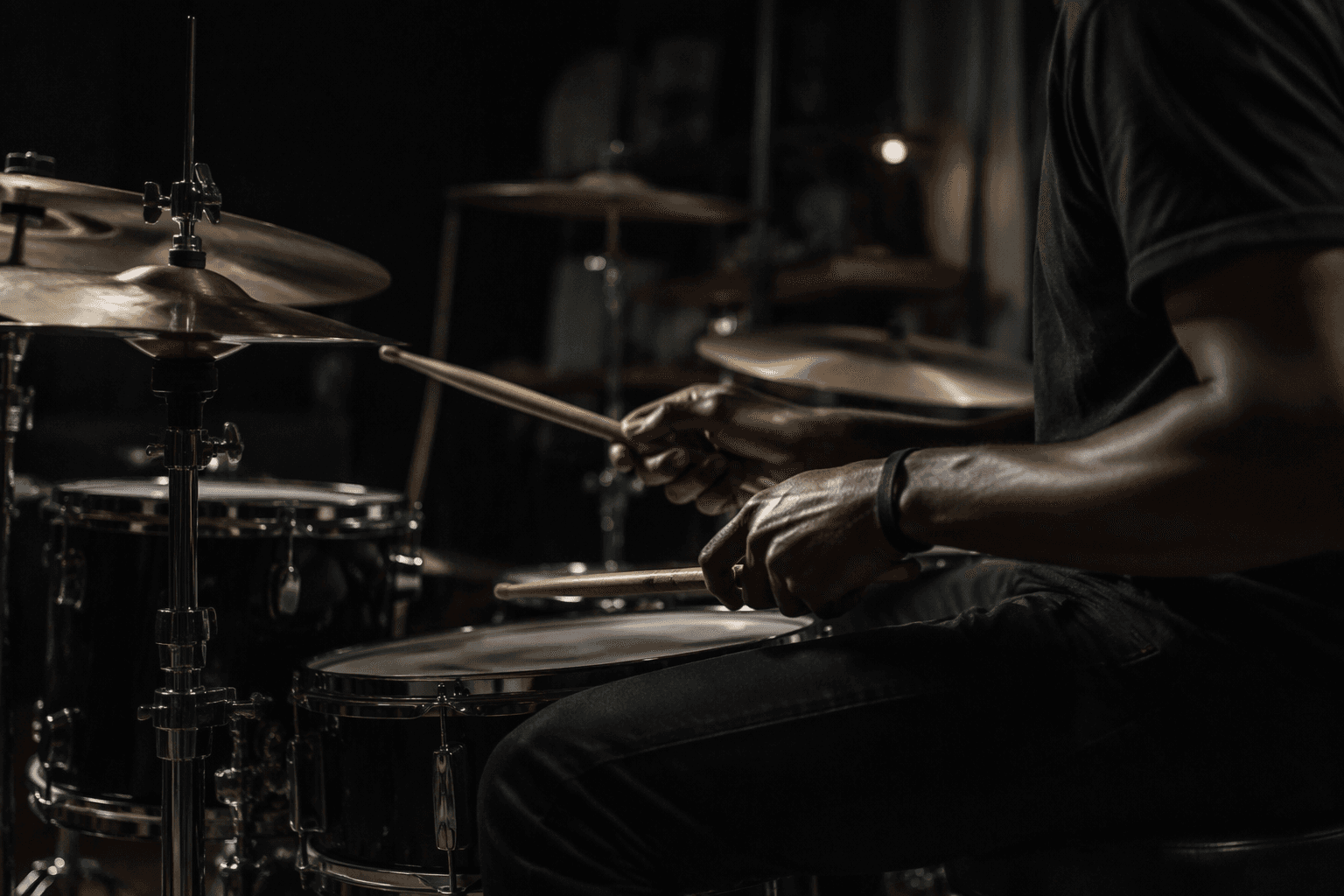
Vic Firth’s educational material also references the 40 drum rudiments on a beginner-focused education page. The PAS practice note is especially useful: rudiments should be worked from open, slow, to close, fast, and back to open, slow again, or at an even moderate march tempo. That sequence forces control to survive changes in speed, which is where sloppy hands usually show up first.
Timing is the second bottleneck. Drummers often assume timing problems are only a metronome issue, but the deeper issue is whether the body can keep a steady pulse while moving between limbs, drums, and accents. Yamaha links technique to musicality, not just mechanics, which is the difference between hitting notes and actually supporting a song.
Coordination is the third fast win. The modern drumset exists because players kept trying to make one person do the work of an entire percussion section, and Vic Firth traces that push back to after the U.S. Civil War ended in 1865, when drummers began experimenting with exactly that idea. Within a few years, “Double Drumming” had become popular in theater orchestras and dance bands.
A practice roadmap that builds real control
1. Check the body first.
Sit so you can reach the snare, toms, and cymbals without leaning or locking up your joints. The point is not comfort alone, it is balance, because balanced posture lets the hands and feet move with less wasted effort. Common mistake: setting the throne or kit so low or high that every stroke starts with tension.
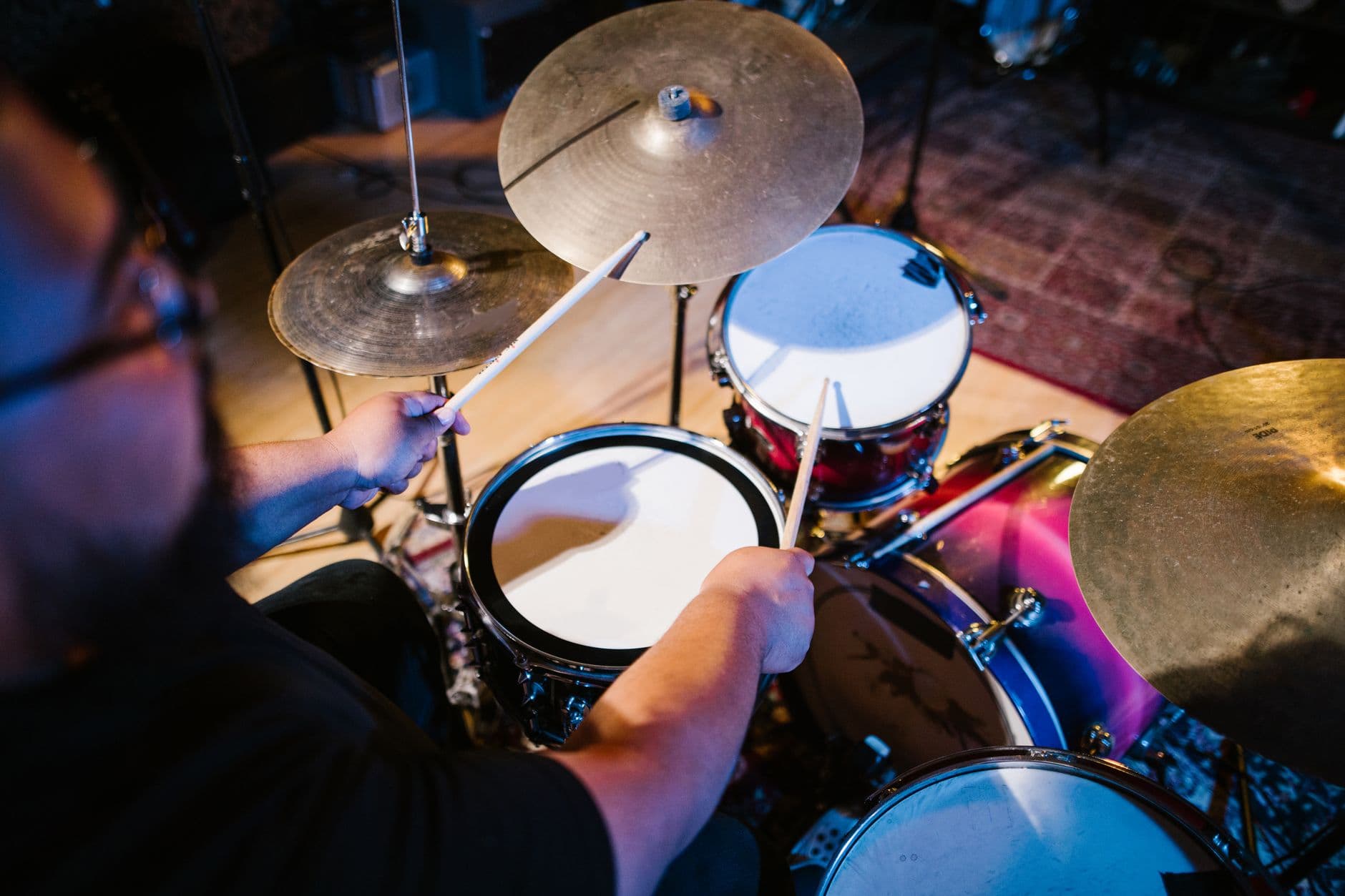
2. Work rudiments slowly, then open them up.
Use the PAS rhythm of open to close to open, or keep the pulse at a moderate march tempo. That gives you a clean read on stick evenness, rebound, and hand symmetry before speed muddies the picture. Common mistake: rushing straight to fast singles or doubles and calling the noise “control.”
3. Put the limbs together only after the parts are clean.
Take a simple groove and make the hands and feet land evenly before adding embellishment. This is where coordination becomes real, because the kit asks you to split attention without losing the pulse. Common mistake: adding fills before the basic groove feels locked.
4. Listen for tone, not just volume.
Good technique should produce a more controlled sound, not just a louder one. Efficient motion helps shape tone, keeps strokes intentional, and makes progress easier to hear. Common mistake: hitting harder to cover uneven notes.
5. Watch for fatigue as a signal.
If your shoulders rise, your grip tightens, or your time starts to drift, the problem is usually mechanics, not effort. That is where the injury-prevention angle matters, because bad posture does not only slow improvement, it can turn practice into a strain pattern. Common mistake: treating discomfort as a badge of work instead of a setup problem.
This article was produced by Prism’s automated news system from verified source data, official records, and press releases, then run through automated quality and moderation checks before publishing. The system is built and supervised by the people who set the standards it runs under. Read our full AI policy.
Did this article answer your question?