Yamaha guide explains matched grip, fulcrum, and snare setup basics
There is no single correct stick grip. Yamaha’s guidance shows how the fulcrum, matched grip, and snare setup each solve different problems in rebound, comfort, and style.
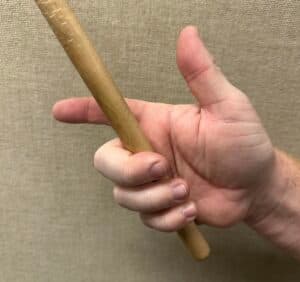
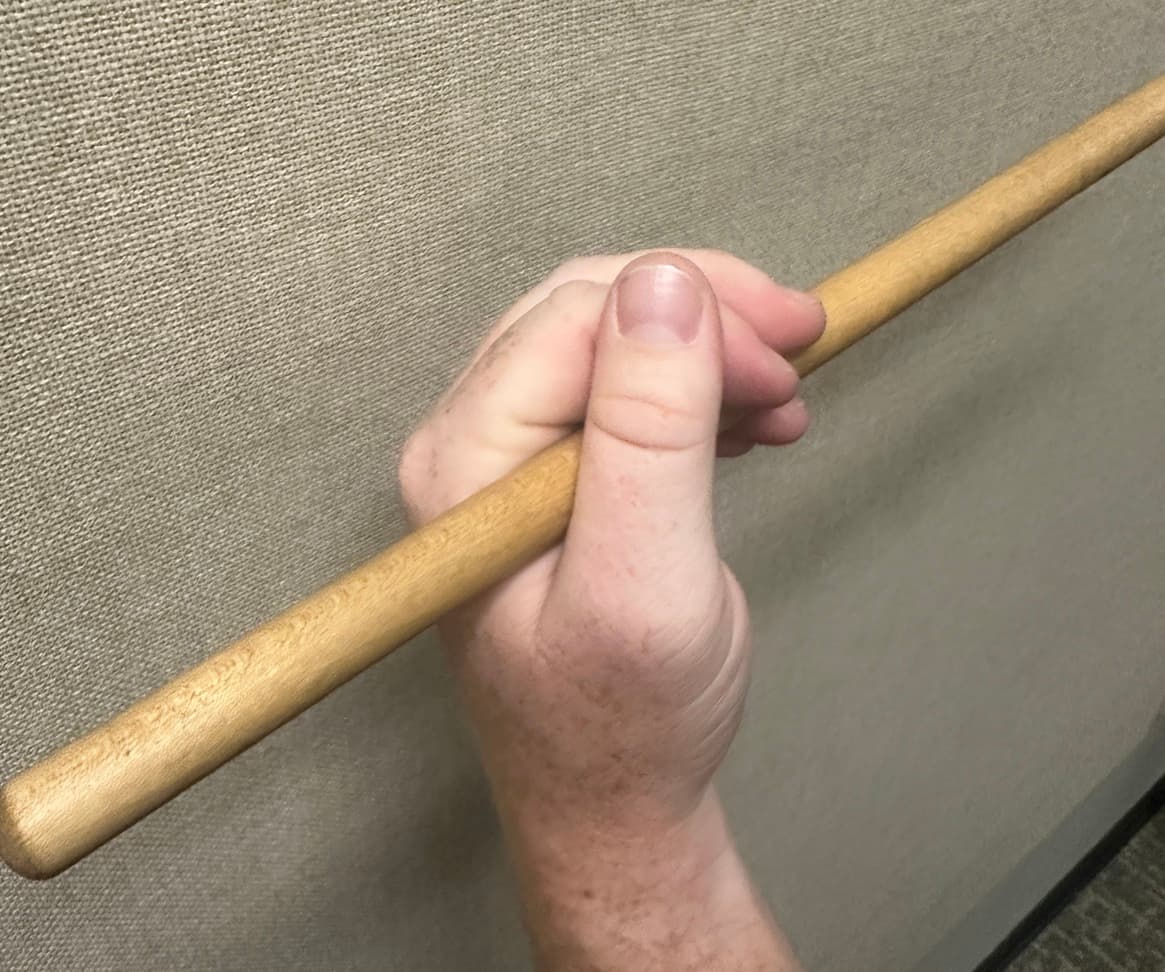
**The stick pivots between the thumb pad and the index finger.** Grip is a mechanical choice, not a moral one: matched grip is the most transferable default, but the real choice is how you want the stick to rebound, how much strain you want to carry, and what kind of playing you are doing.
The fulcrum is the anchor. Once that point is stable, the rest of the hand can do its job without clamping down, which is why grip discussions come back to balance, not force. If the fulcrum is off, the stick feels dead in the hand; if it is set cleanly, rebound works with you instead of against you.
That applies whether you are feathering a jazz ride, digging into a snare backbeat, or moving across a keyboard percussion setup. The fulcrum is the same basic idea in all of those settings, even though the touch and the instrument geometry change.
Matched grip is the modern default because it travels well. Matched grip is the most common grip in today’s percussion world because it carries across concert snare, drum set, timpani, cymbals, and keyboard percussion with relatively little adjustment. It is the easiest system to keep consistent when you are moving between gigs, rehearsals, and sections.
Many percussion students begin there, often on practice pads or practice keyboard instruments. The same grip concept can move from a snare line to marimba, xylophone, bells, or timpani without asking the player to relearn the whole hand.
For drum set playing, that broad compatibility is a big part of the appeal. A solid matched grip gives you repeatable backbeats, clean cymbal control, and a straightforward path from one surface to another.
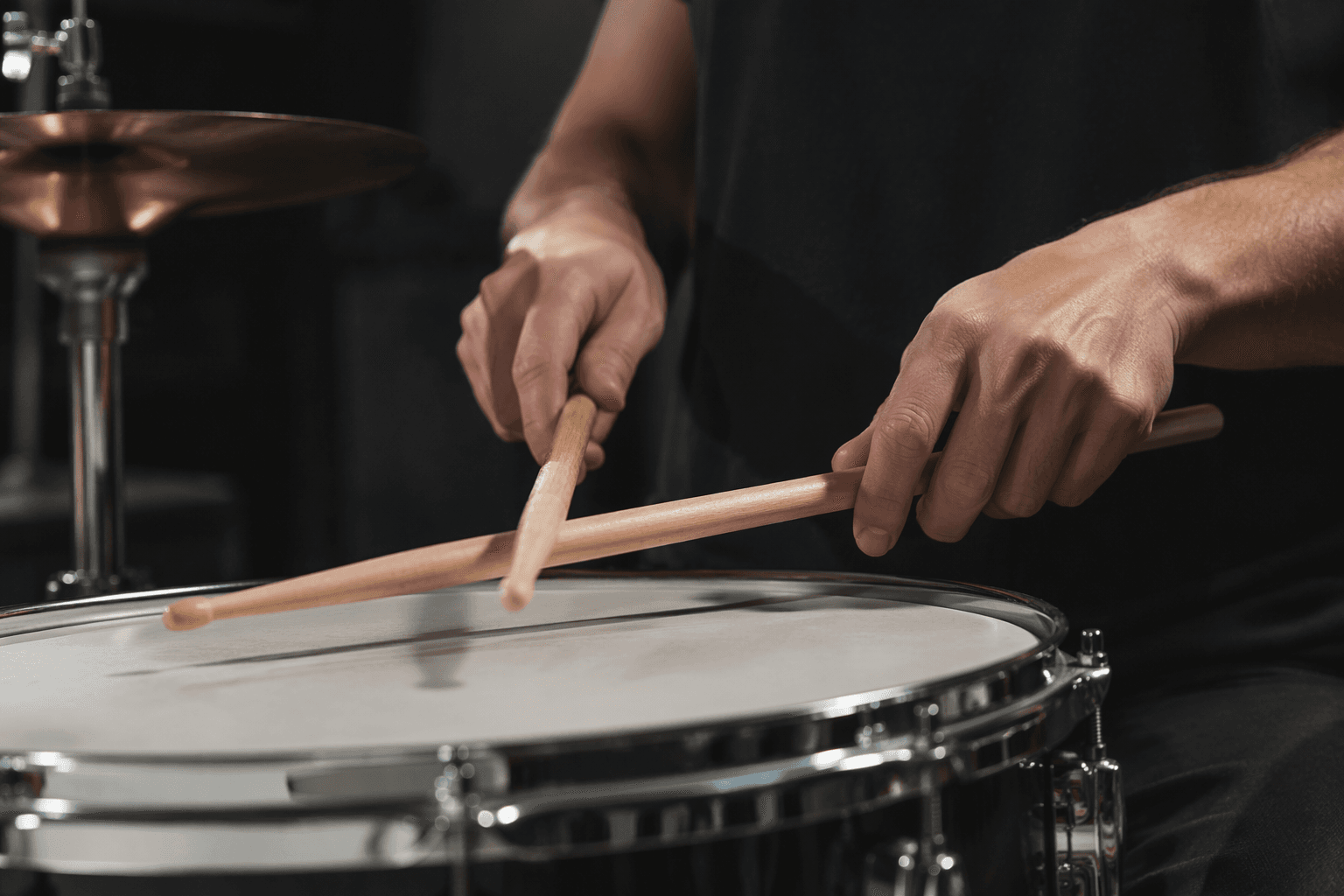
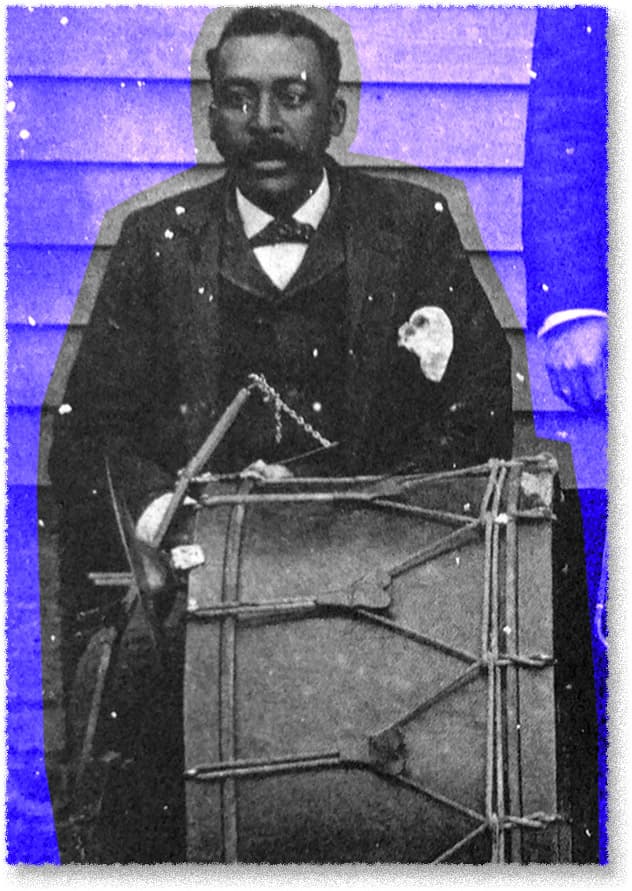
Traditional grip solves a different problem, and history is built into it. Barry Larkin’s Yamaha PDF traces traditional grip back to military drumming, when drums were slung by ropes or straps and the left hand had to work at an awkward angle. That original setup explains the shape of the grip better than any modern tutorial: traditional grip was invented to make a sideways drum playable.
Larkin notes a resurgence in the last quarter of the twentieth century, and Percussive Arts Society material frames the matched-versus-traditional discussion as a long-running debate where mastering both grips still matters. Traditional grip preserves a link to older drumline and jazz lineages, and some players still prefer its feel for certain articulations.
Traditional grip remains strongly associated with marching snare and jazz drum set playing. In marching percussion, it still functions as a visual and cultural symbol.
The practical split shows up in the music itself. On a drum set, matched grip fits steady backbeats and general-purpose playing, especially when you want both hands to feel symmetrical. Traditional grip often enters the picture when the player is chasing a specific jazz feel, a lighter left-hand touch, or the inherited language of older drum-set styles.
On marching snare, traditional grip still carries a strong identity because it evolved for that one-sided, slung-drum posture. The left hand can shape articulation in a very particular way, which is why it remains tied to the drumline sound and to repertoire that values that lineage. Matched grip, by contrast, is the more universal tool for moving between concert snare, cymbals, timpani, and keyboard percussion without changing your whole setup.
The debate sharpened in the late 1960s as concert percussion, solo literature, and percussion ensemble writing expanded. At the same time, hardware improvements and the louder demands of rock ’n’ roll pushed more drummers toward matched grip.
Snare setup affects grip more than most players realize. The snare should be set at a height that avoids shoulder tension, and the player should sit or stand in a relaxed posture. The drum also needs to be oriented so you are actually playing over the snares, because that is what gives the instrument its characteristic response.
A snare that sits too high can make the shoulders tighten, which changes how the arms hang and how the wrists move. A bad angle can blunt the snare response even if the grip is technically correct, so the physical setup and the hand technique have to work together.
A relaxed posture, a sensible snare height, and a clean fulcrum reduce wasted motion, especially on long rehearsals or sets where repetition can expose every bad habit. They preserve rebound and keep the hands responsive when the music gets louder, faster, or longer.
This article was produced by Prism’s automated news system from verified source data, official records, and press releases, then run through automated quality and moderation checks before publishing. The system is built and supervised by the people who set the standards it runs under. Read our full AI policy.
Know something we missed? Have a correction or additional information?
Submit a Tip