D&D Beyond explains how to play Dungeons & Dragons for beginners
D&D Beyond’s beginner guide breaks Dungeons & Dragons down to the first session essentials, then hands you the tools to build a character and get to the table with confidence.
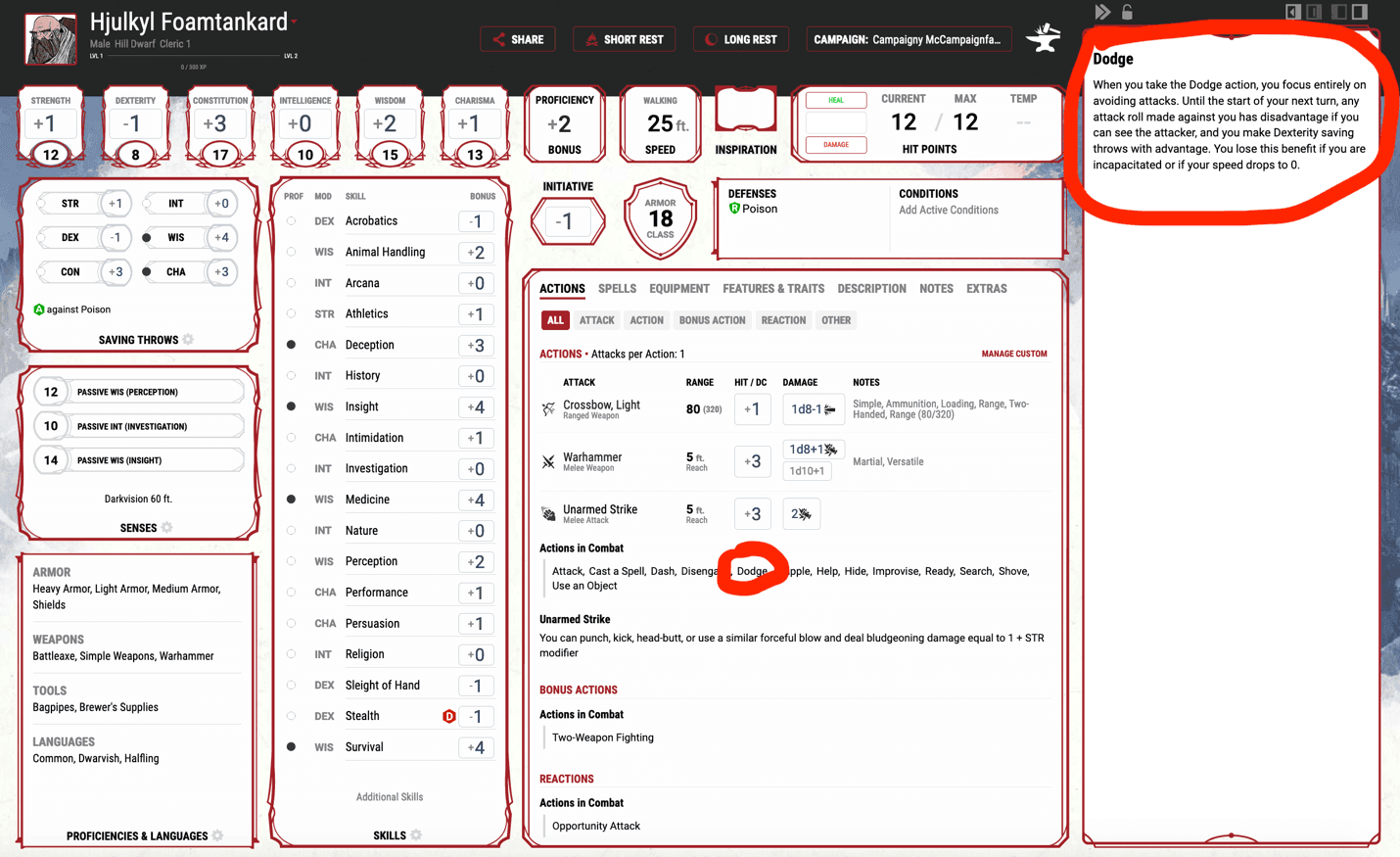
On D&D Beyond, the How to Play D&D page sits inside the site’s broader Play D&D area, alongside My Characters, Create a character, My Campaigns, and Maps VTT. It makes a first session feel possible by stripping the game down to the pieces you actually need, from what a character sheet means to how dice drive uncertainty at the table. For new players and Dungeon Masters bringing friends, family members, or total first-timers into a campaign, it provides one shared reference point.
Start with the page that lowers the barrier
It is an on-ramp: you can move from reading about the game to building a character and organizing play without leaving the platform. For a beginner who is still unsure what a session looks like, that combination takes the guesswork out of the jump from curiosity to participation.
The best beginner guide does not try to teach every rule at once. It starts with what Dungeons & Dragons is, how a session works, and what the people at the table are actually doing together. If you are brand new, those are the first ideas to absorb because they answer the core fear behind most first-game nerves: not “Do I know everything?” but “Do I know enough to begin?”
Read the basics in the right order
The most useful sections for a first-time player are the ones that explain the flow of play. Start with the parts that describe how the Dungeon Master presents a situation, how players say what they want to do, and how dice settle the uncertain moments. From there, move into ability checks, saving throws, combat rounds, and the difference between speaking in character and resolving actions mechanically. Those are the places that make D&D feel complicated from the outside.
That same learning path shows up in Wizards of the Coast’s own beginner materials. The free Player’s Basic Rules v0.2 PDF appeared in 2014, the Basic Rules document followed in November 2018, and the 2020 Starter Set Rulebook includes a chapter literally titled “How to Play.” Its table of contents runs through “Getting Started,” “Six Abilities,” and Chapter 2: Combat.
What you actually need before your first session
A first session does not require every class option, every spell, or a stack of hardcover books. What you need is a workable grasp of how to make a character, what dice to bring, how initiative works, how to read a roll, and what the Dungeon Master is responsible for. A beginner guide tells you which parts of the system matter immediately and which parts can wait until you have a few sessions under your belt.
That is why the D&D Beyond ecosystem is useful for onboarding. My Characters keeps your sheet in one place, Create a character gets you to the starting line, My Campaigns helps you plug into a group, and Maps VTT shows how the platform is aiming to support actual play, not just reading. If you are joining a table for the first time, the ideal sequence is simple: read the basics, build a character, confirm what the DM expects, and show up knowing how to describe an action and follow a roll through to its result.
Wizards has been building this ramp for years
The Sage Advice Compendium dates fifth edition’s three official rulebooks to 2014, and those books set the foundation for a rules set that still needed a friendly entry point. The 2014 Player’s Basic Rules credited Mike Mearls and Jeremy Crawford as D&D lead designers, while the November 2018 Basic Rules listed Jeremy Crawford, Mike Mearls, and Christopher Perkins among the lead designers.
The 2020 Starter Set Rulebook puts “How to Play” up front and follows it with “Getting Started,” “Six Abilities,” and combat basics. The page on D&D Beyond fits the same pattern. It lets a new player learn the game before buying into the full core books.
Why this guide works for both players and DMs
A shared beginner guide gives everyone the same vocabulary for the first session, which makes it easier to explain checks, turns, and character actions without pausing the game to translate every term from scratch. That is especially useful in the moments where a table is welcoming someone new, because the guide does part of the teaching before the dice ever hit the tray.
In 2024, Wizards’ D&D plans included a lighter 2025 book schedule and a beta for its VTT, tying more of the game’s future to digital entry points and platform-based play.
This article was produced by Prism’s automated news system from verified source data, official records, and press releases, then run through automated quality and moderation checks before publishing. The system is built and supervised by the people who set the standards it runs under. Read our full AI policy.
Did this article answer your question?