How Dungeons & Dragons combat works, from initiative to reactions
The cleanest way to run D&D combat is to lock in initiative, then think in turns, reactions, and round-end effects. The 2024 rules make that timing easier to read, but the usual disputes still come from movement and opportunity attacks.
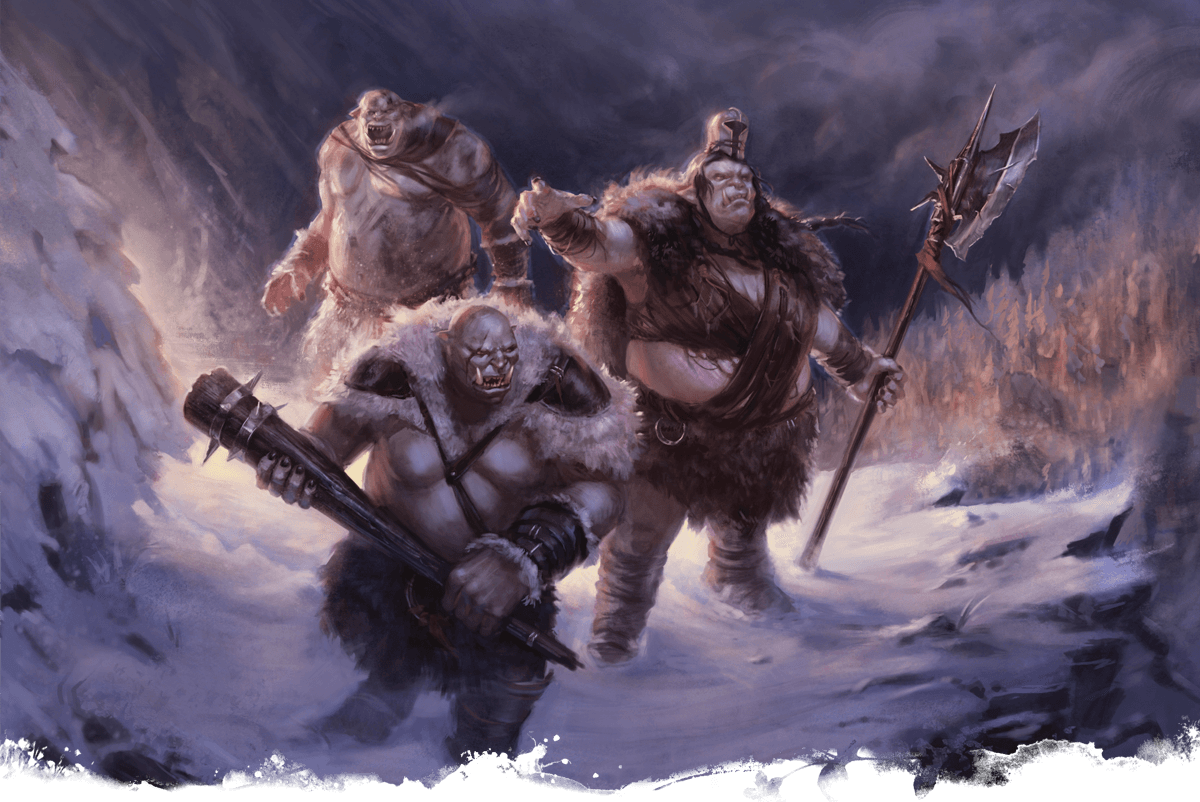
A fighter 20 feet from a goblin archer at a corridor choke point needs a fast answer: whose turn is it, and what can happen right now? The 2024 Player’s Handbook puts initiative, turns, and round structure at the center of combat flow. Roll20’s D&D 2024 “Running Combat” material and D&D Beyond’s official 2024 rules presentation do the same through “Rhythm of Play” and a rules glossary.
The 2024 Player’s Handbook, released on September 17, 2024, was the first book in Wizards of the Coast’s revised core-rulebook trilogy and arrived as part of Dungeons & Dragons’ 50th anniversary celebration.
The combat loop, in plain English
A fight in D&D works because everyone shares the same clock. Once initiative is rolled, the table locks into a turn order, and each creature acts when its slot comes up. That does two jobs at once: it tells you when your character can act, and it tells you when monsters, conditions, and ongoing effects need attention.
A simple round looks like this:
1. Initiative is rolled.
2. Creatures act in initiative order.
3. On your turn, you can move, take an action, and maybe use a bonus action.
4. Outside your turn, you might spend a reaction if a trigger happens.
5. At the end of turns or rounds, lingering effects are checked.
That structure is why combat feels so different from freeform roleplay. It is not just a queue for attacks. It is a timing engine that decides when you can reposition, when a spell lands, and when a monster gets to punish sloppy movement.
A sample round, step by step
Picture a fight at a corridor choke point. Your fighter is 20 feet from a goblin archer, your cleric is behind you, and a second goblin is trying to slip around the flank. Initiative is rolled and the order is set. That one roll matters because from here on out, everyone knows exactly when they act and when they have to wait.
On your turn, you decide how to spend your movement and action. Three timing points are especially clear in the 2024 rules: movement can be split before, during, or after your action, you normally get one action per turn, and you only get a bonus action if a rule, spell, or feature grants it. So you might move 10 feet, attack, then finish the rest of your movement to block the hallway. Or you might Dash to cover the distance, Disengage to leave a threatened space without eating an opportunity attack, or Dodge if you need to stay alive for one more round.
If you have a bonus action, it happens on your turn too, but only if something in your build or spell list gives it to you. That is where a lot of table confusion starts: bonus action does not mean “extra action.” It means “a separate, narrower resource you only get when a rule says so.” If your class, spell, or feature does not grant one, you do not have one to spend.
Then comes the reaction window. A reaction is an instant response to a trigger, and you get one per round. That can happen on your turn or someone else’s, which is why it is so easy to miss. If the goblin bolts past you and provokes an opportunity attack, that is a reaction. If the wizard casts a spell and you have a trigger to counter it, that is also reaction timing at work. Once you spend it, you are done until the next round refreshes the chance.
At the end of the round, the table checks any effects that care about timing, and the next creature in initiative takes over.
The turns that matter most are not always attacks
One of the biggest habits that slows new tables down is assuming combat is only about reducing hit points. It is not. The rules reward tactical choices like Dash, Disengage, Dodge, Help, Hide, Search, and Use an Object because D&D combat often revolves around objectives instead of pure damage. Rescue the prisoner, close the portal, hold the choke point, or get the relic out of the room, and suddenly the action economy matters as much as the sword swing.
The “Rhythm of Play” and glossary-style presentation in the official 2024 materials make the timing language easier to find without digging through a wall of prose.
The rules misunderstandings that cause the most arguments
The same few problems keep showing up because they live at the intersection of timing, movement, and memory.
- Movement is not all-or-nothing. You can split it before, during, or after your action. A lot of players still treat movement like a separate phase that must happen first.
- A bonus action is not automatic. You only get one if a rule, spell, or feature gives it to you. If your character sheet does not hand you one, you cannot spend one.
- A reaction is not a second turn. It is a single instant response to a trigger, and you get one per round. That is why opportunity attacks matter so much in actual play.
- The Ready action has changed in the 2024 rules. It works differently than it did in earlier editions, so veteran players can still get tripped up when they try to run it from memory.
- Opportunity attacks are a movement rule, not a damage rule. They are the clearest example of how positioning drives combat. If you do not know when a creature leaves reach, you do not know when the reaction happens.
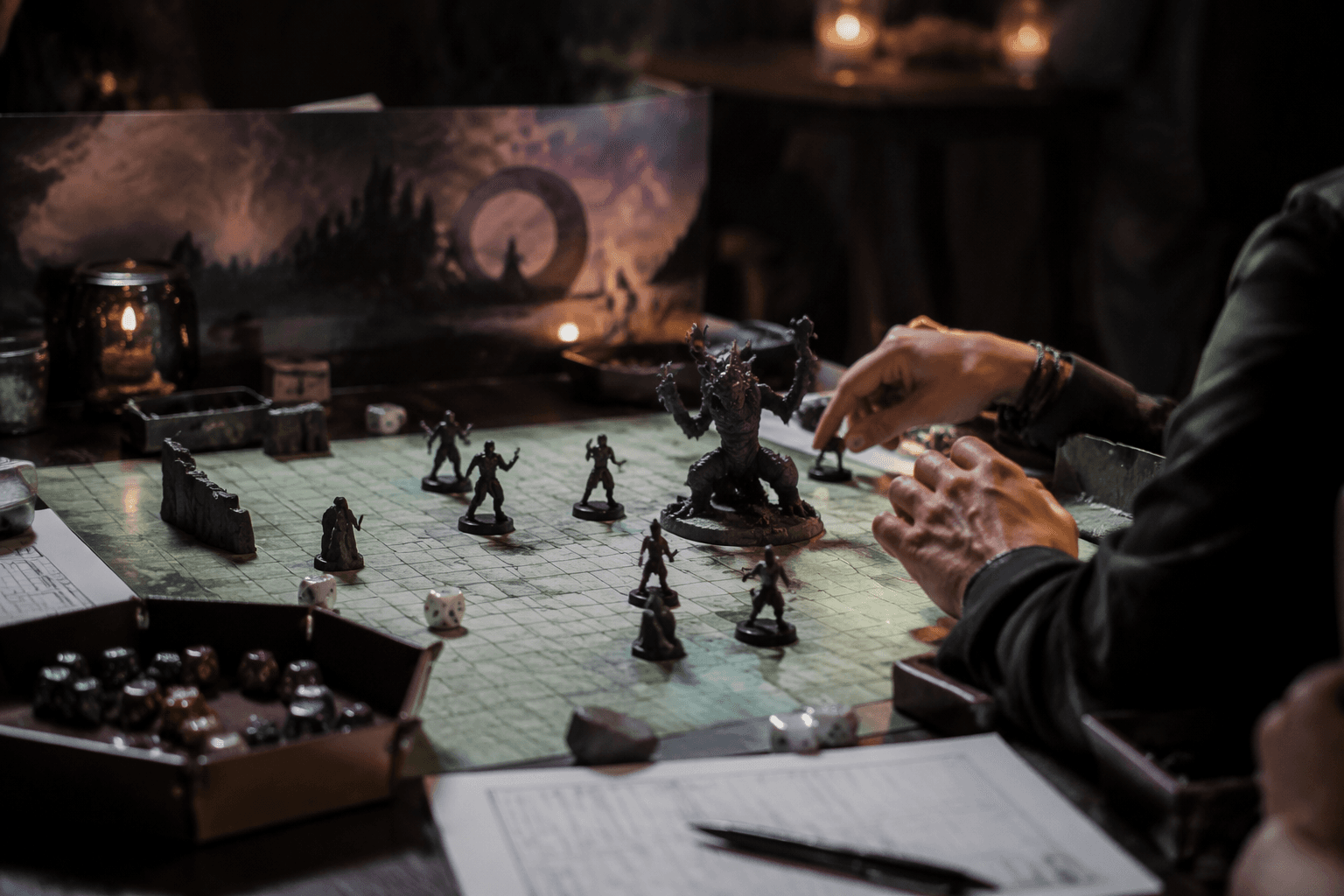
Grid play makes those timing questions easier to see because every square turns movement into a visible measurement. Theater of the mind can be faster, but it also asks the DM to be much more explicit about who is adjacent, who is threatened, and when a trigger actually fires.
This article was produced by Prism’s automated news system from verified source data, official records, and press releases, then run through automated quality and moderation checks before publishing. The system is built and supervised by the people who set the standards it runs under. Read our full AI policy.
Did this article answer your question?