D&D Beyond shows how to build a frontline Symbiosis Druid
Symbiosis Druid flips the druid script, turning bone-and-bark body horror into a frontline build that can hit hard, heal through pressure, and fit right into dark fantasy tables.
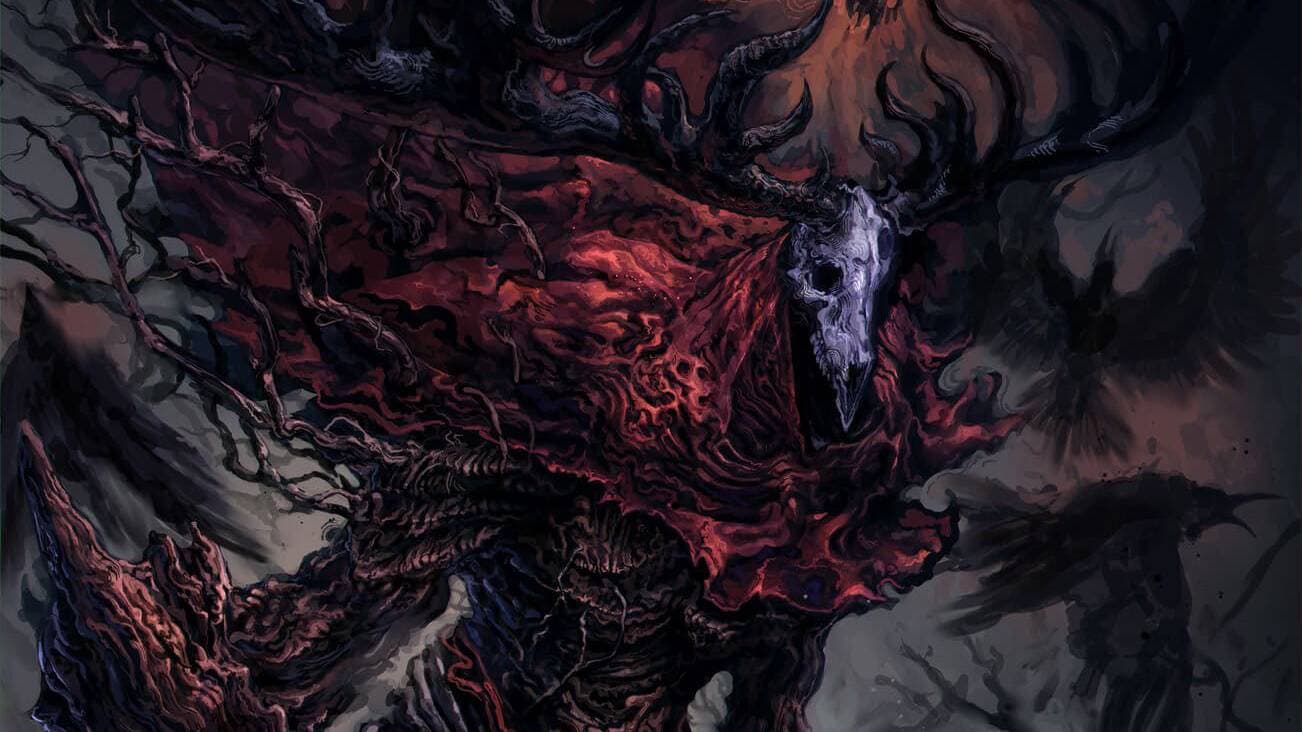
D&D Beyond’s latest build piece takes the Symbiosis Druid out of the theory pile and puts it where it belongs: in the front line, taking hits and giving them back. The sample character, Tisiphone, the Grafted, shows how Steinhardt’s Guide to the Eldritch Hunt Player Pack turns a druid into something far stranger than a backline caster, with Shillelagh, Osteomancy, and a body-horror sheen of bone, bark, and antler doing the heavy lifting.
What the Symbiosis Druid is actually trying to do
This is not the usual “stand back, sling spells, and let Wild Shape do the talking” druid fantasy. The Circle of Symbiosis leans into physical fusion and raw violence, making the class feel like a grafted horror that survives by getting close enough to matter. That shift matters at the table because it gives the druid a clear combat job: hold space, threaten melee, and keep functioning while the fight gets ugly.
The subclass’s starting point is brutally practical. Shillelagh is prepared automatically, which means the build does not waste time or resources getting its core weapon online. That one detail changes the whole feel of the character, because the druid can walk into combat already set up to use Wisdom-driven melee instead of waiting for a perfect round to come together.
Why Tisiphone, the Grafted works as a play pattern
Tisiphone is valuable because it is not presented as a trophy character or a lore exercise. It is a working example of how to pilot the subclass in real encounters, and that is exactly where the Symbiosis Druid becomes interesting. The build frames the druid as a martial presence with enough weirdness to feel distinct, but enough hard utility to avoid becoming a gimmick.
The important lesson is tempo. A frontline Symbiosis Druid wants to enter the fight early, stick to a target, and keep pressure on the enemy line while still looking like a druid. The body-horror angle is not just decoration here, because the subclass’s bone-and-bark identity helps sell the idea that this character is mutating under stress, not simply casting the same old support spells with a different paint job.
How the subclass functions in actual encounters
The best way to think about Circle of Symbiosis is as a druid that wants to be touched by the fight, not shielded from it. The class package centers on Osteomancy spells and self-regenerating aggression, which points to a loop of getting in, staying in, and outlasting the exchange. That makes it attractive in battles where movement, positioning, and repeated contact matter more than a single large burst.
In practice, that means the Symbiosis Druid fits well into parties that need a character who can occupy a dangerous lane without feeling like a conventional tank. It is still a druid, so it brings the weird utility and magical versatility people expect from the class, but the subclass pushes that package toward melee pressure and survivability. If your table likes battles where the front line shifts, gets crowded, and rewards characters who can keep swinging while everyone else is scrambling, this is the sort of build that earns its seat.
A few practical takeaways stand out:
- Shillelagh being prepared automatically means the build starts online fast.
- Osteomancy gives the subclass its own identity instead of borrowing someone else’s combat language.
- The self-regenerating angle rewards extended fights, not just one clean opener.
- The visual identity, bone, bark, antler, and flesh, makes the character memorable without needing extra fluff.
What the larger player pack adds to the picture
The Symbiosis Druid does not appear alone. It sits inside a player pack that also includes seven gothic subclasses, nine trick weapons and firearms, two unique species, sixteen blasphemous spells, and the Luyarnha setting. That matters because the subclass feels designed for a broader style of campaign, one where the table is already comfortable with strange powers, grim aesthetics, and characters that do not fit the standard hero mold.
That larger package also gives the build more ways to land. Trick weapons and firearms suggest a setting where close-range danger and odd gear are part of the daily texture of play, while the two unique species and sixteen blasphemous spells widen the kind of character you can build around the same dark-fantasy frame. The Symbiosis Druid is the cleanest example of how that ecosystem works, because it shows the player pack is not just about lore, but about usable combat identities.
Where this build shines at the table
This is the right pick for a campaign that wants darker fantasy without losing tactical clarity. A dungeon crawl with cramped hallways, a horror-leaning homebrew setting, or a DM who likes encounters that punish static backliners will all make the build feel better. It also suits groups that enjoy odd, high-concept characters as long as those concepts still pull weight once initiative is rolled.
It is less compelling if your table wants a soft-edged naturalist druid or a pure spell support role. The Circle of Symbiosis is built for players who want their druid to look like a fused experiment and function like a bruiser. That is the trick of the subclass: it sells the strangest version of the druid fantasy by making it immediately playable, and once Tisiphone hits the table, the build stops being a concept and starts being another problem for the monsters to solve.
This article was produced by Prism’s automated news system from verified source data, official records, and press releases, then run through automated quality and moderation checks before publishing. The system is built and supervised by the people who set the standards it runs under. Read our full AI policy.
Did this article answer your question?

