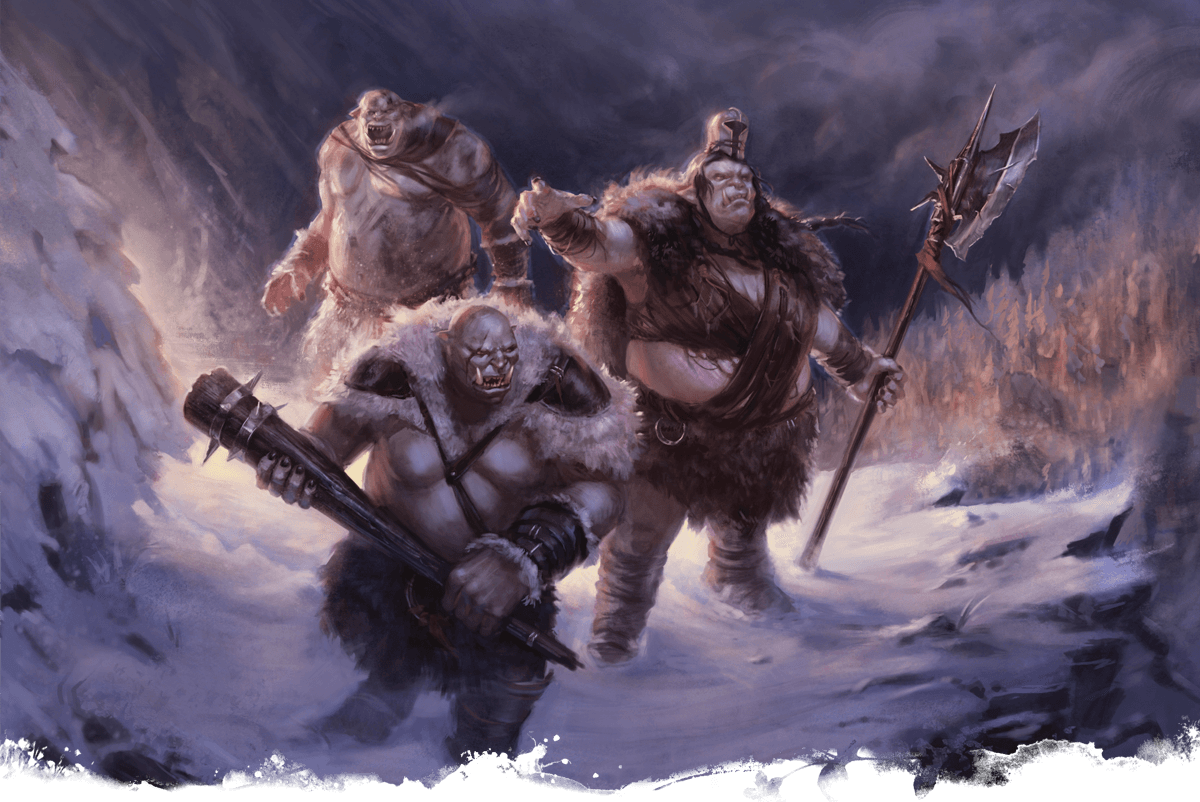
D&D class rarity guide ranks fighters common, warlocks very rare
Fighter-heavy worlds feel lived in; warlocks and artificers feel like rumors. This rarity map shows DMs how class scarcity changes guards, guilds, and party expectations.
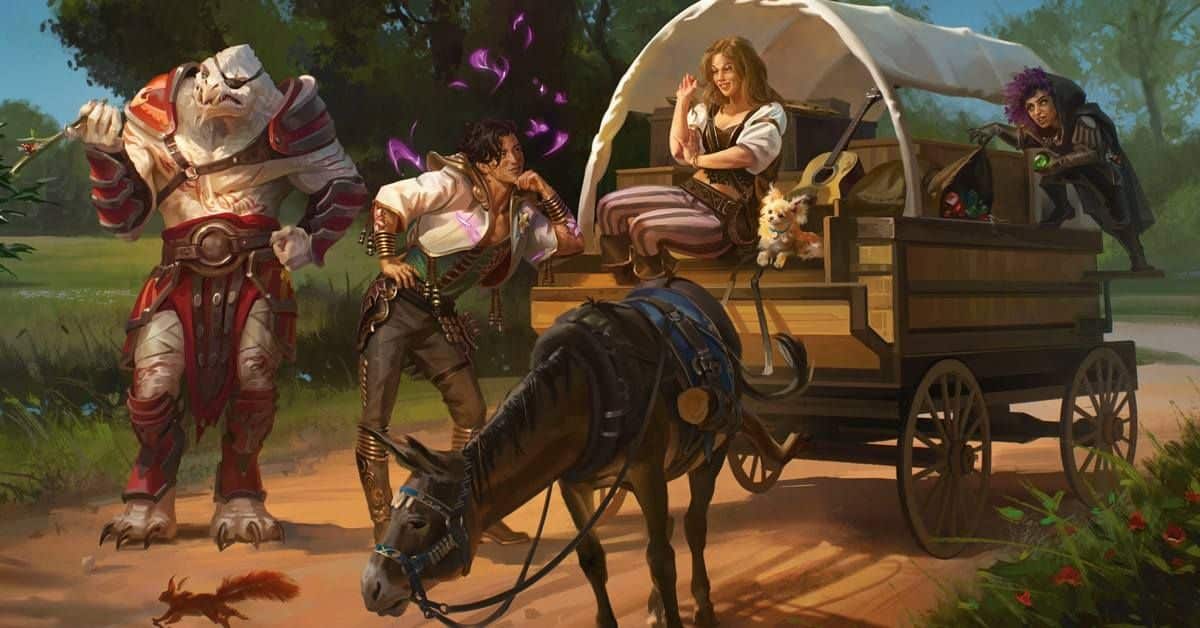
A warlock drawing a crowd just by walking down the street feels different from a city where fighters are everywhere. Dungeon Mister’s July 7, 2026 rarity breakdown uses class frequency as a lore tool, not a census, giving DMs a fast, usable way to decide who belongs in the ordinary background of a campaign world and who should make the table sit up.
What the rarity map is actually doing
The article’s core idea is simple: some classes should feel common enough to show up as guards, mercenaries, and traveling professionals, while others should feel unusual enough to change the temperature of a scene the moment they appear. Fighter, rogue, and barbarian are treated as common; cleric, ranger, and bard as uncommon; monk, druid, paladin, and wizard as rare; and sorcerer, artificer, and warlock as very rare. That is not a power ranking. It is a worldbuilding lens that helps you decide whether an NPC adventurer feels like a local fixture or a notable event.
This also works because the rarity is being applied within each base class, not across all subclasses as if they were interchangeable. A champion fighter can blend into a town watch or a battlefield unit far more easily than an eldritch knight or banneret.
Why the 2024 ruleset matters
The current backdrop matters because the 2024 Player’s Handbook is now the frame most tables are using. The 2024 Player’s Handbook contains 12 classes and 48 subclasses, arrived on September 17, 2024, and replaced the 2014 book’s rules, classes, subclasses, spells, feats, equipment, species, and backgrounds, with some exceptions for older material that remains usable. At 384 pages, it is the largest Player’s Handbook in D&D history.
The class chapter lists Barbarian, Bard, Cleric, Druid, Fighter, Monk, Paladin, Ranger, Rogue, Sorcerer, Warlock, and Wizard all in one place, but the game still talks about party roles in a familiar way. In the 2024 rules, the classic party is Cleric, Fighter, Rogue, and Wizard, and the guidance explicitly allows Fighter to be swapped for Barbarian, Monk, Paladin, or Ranger, Rogue for Bard or Ranger, and Wizard for Bard, Sorcerer, or Warlock.
How to read the common and uncommon bands
If you want your setting to feel grounded, the common band is your easiest anchor. Fighter fits almost anywhere because the class can be a soldier, guard, mercenary, duelist, or caravan blade, and barbarian and rogue slot into similar everyday structures of violence, survival, and street-level expertise. These are the classes you can populate in bulk without making the world feel crowded with legends.
The uncommon band starts to shape institutions. Clerics imply temples, orders, shrines, and public trust in divine intermediaries. Rangers, meanwhile, fit frontier patrols, scouts, and wardens, while bards often show up where performance, travel, and reputation matter. These classes are still believable in numbers, but they should carry a clearer social role than a common fighter or rogue.
Where rare classes change the tone of a settlement
Rare classes are where a town starts to feel like it has stories. Monks suggest secluded training, disciplined schools, or remote traditions that most people will only ever hear about secondhand. Druids and paladins bring stronger ties to sacred orders, oaths, and places or causes bigger than the individual, while wizards imply study, archives, apprenticeships, and a social class that has access to structured magical education.
These are the classes that should alter NPC reactions when they appear. A rare class can justify deference, suspicion, curiosity, or a request for help that would not be made of an ordinary sword-for-hire.
Why very rare classes stand out hardest
Sorcerer, artificer, and warlock sit in the very rare tier because they read as exceptional in a way most ordinary populations do not absorb into daily life. Sorcerers feel innate and unpredictable, artificers feel highly specialized and often setting-linked, and warlocks carry a strong aura of pact, patron, and hidden bargain. Dungeon Mister even uses the idea of a reanimator artificer to show how sharply some builds can separate themselves from what most NPCs would expect to see.
If these classes are common in your world, then your cities should reflect that with specialist guilds, arcane workshops, patron networks, and a public that is used to magical outliers. If they are rare, then every appearance becomes an event: a warlock in a market square is not just another adventurer, but a possible omen, envoy, or problem.
The popularity data gives the fiction extra weight
The fiction-side rarity map also lines up neatly with player behavior. D&D Beyond’s 2023 year-in-review listed Fighters, Rogues, and Barbarians as the most popular classes among characters created on the platform. A forum summary of the same character-analysis order placed Fighter first and Artificer last, and one commenter said the chart implied there were more than three times as many Fighters as Monks.
There is another practical wrinkle: free users can create up to six characters, while the digital builder gives access to all 12 core classes. That setup makes it easier for players to branch out, but it also makes rarity a useful shorthand at session zero. If everyone at the table wants to be the unusual one, the world needs to be built to notice that, and if most players want grounded heroes, the setting can lean on common classes.
How to use the map at your table
The cleanest use for this rarity guide is not to police character concepts, but to give your campaign a believable distribution of people. Fill roads, barracks, and thieves’ guilds with the common classes. Let uncommon classes define local institutions. Reserve rare and very rare classes for names that carry weight and strange guest appearances.
This article was produced by Prism’s automated news system from verified source data, official records, and press releases, then run through automated quality and moderation checks before publishing. The system is built and supervised by the people who set the standards it runs under. Read our full AI policy.
Did this article answer your question?