D&D playtest paladin brings back controversial classic spell
The Oath of the Spellguard turns paladins into anti-mage hard counters, and players are already arguing over whether that old pressure is back for good.
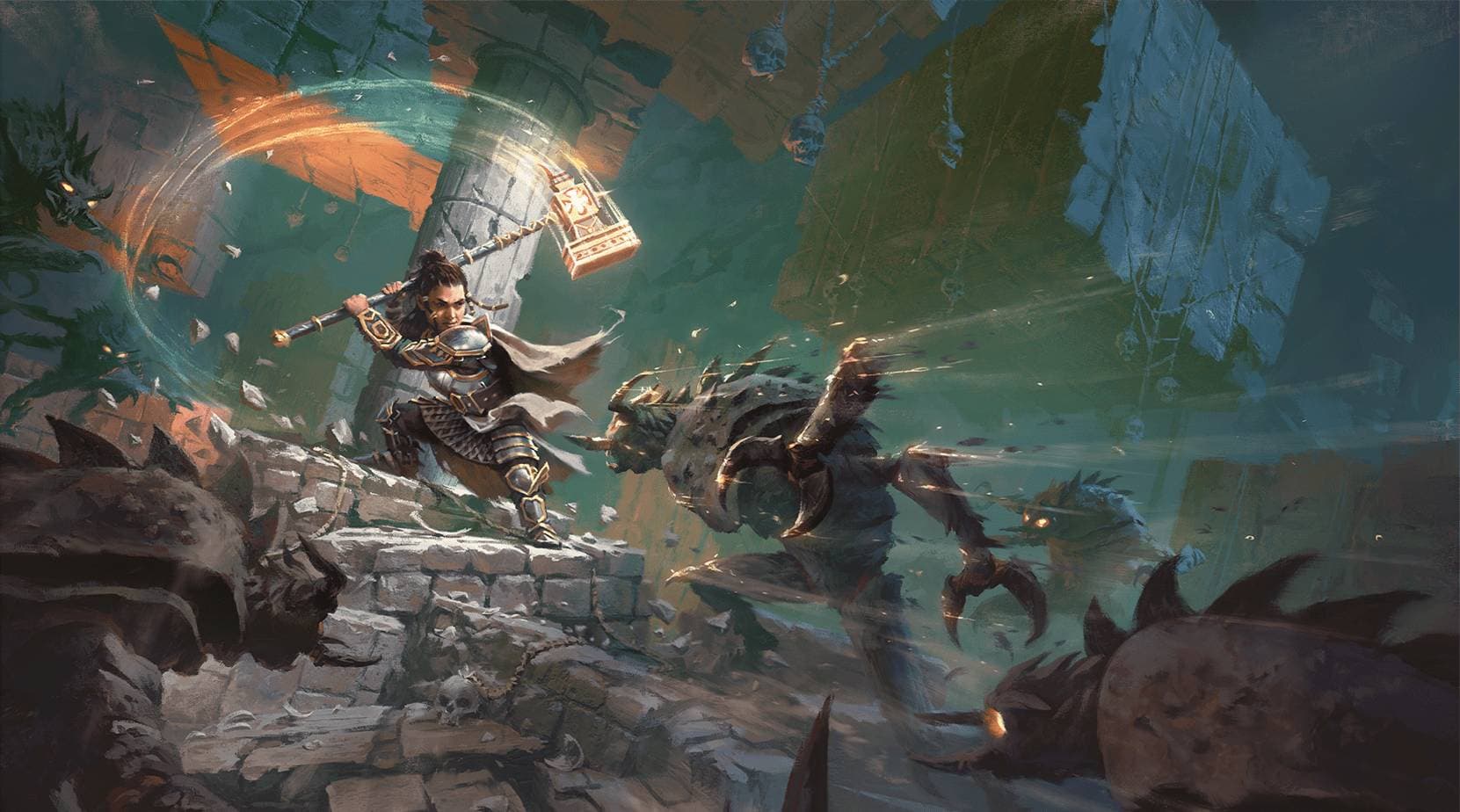
The question around the Oath of the Spellguard is simple: is this the kind of anti-caster package that warps a table, or has the new paladin subclass finally put real limits on an old abuse case?
D&D Beyond put the subclass into play on Jan. 15, 2026 in Unearthed Arcana: Mystic Subclasses, which introduced four playtest options and put the Spellguard front and center. The subclass is named for the Spellguard Shield in the Dungeon Master’s Guide, and its design brief is blunt: protect allies while defeating spellcasting enemies. In practice, that means the paladin can respond when a nearby enemy starts casting a spell, then potentially shut it down as it is being cast. The class also picks up anti-caster tools like Dispel Magic, See Invisibility, and Silence, which makes the whole kit feel less like a standard holy knight and more like a walking no-fun zone for enemy wizards.

That is where the balance conversation gets interesting. The old fear with this kind of design is action economy: if one reaction can interrupt a spell without spending the paladin’s whole turn, the subclass starts snowballing fast, especially in fights built around one big enemy caster. Add Silence to the mix and the play pattern gets even tighter, because the subclass is not just reacting to magic, it is building a whole plan around denying it. That is exactly the sort of thing DMs remember from older editions, when a single control effect could turn an encounter into a cleanup job.
The broader rules context matters too. Wizards of the Coast’s 2024 Player’s Handbook replaced the 2014 core rules, but D&D Beyond’s update page says a short list of older options still survives when the new book does not replace them. The 2024 handbook also removed several classic wizard schools from the main book, including Conjuration, Enchantment, Necromancy, and Transmutation, which makes the current refresh feel less like a clean slate and more like a selective revival. This is not nostalgia by accident. It is a revision that keeps some legacy pieces, cuts others, and then tests new versions in public.
The playtest cycle has also moved on. D&D Beyond says the Mystic Subclasses survey is closed, and an Apr. 23, 2026 designer-insights post on villain-themed options showed the team is paying close attention to what players latch onto, especially when the design leans hard into story-first identity. That matters here because the Spellguard is not subtle. It is a subclass built to punish spellcasters, and if that sounds familiar, it is because Dungeons & Dragons has been arguing about exactly this kind of power since 1974, across the 2000, 2003, 2008, 2014, and 2024 rules eras.
So is the old problem back? Not quite in the same form, but the pressure is real. The Oath of the Spellguard looks less like a universal table-breaker and more like a very sharp answer to one specific enemy type, which is still enough to make a DM think twice before loading the next session with enemy mages. For a lot of tables, that is nostalgic fun. For any campaign that lives and dies by caster villains, it is a save-or-suffer moment waiting at the table.
This article was produced by Prism’s automated news system from verified source data, official records, and press releases, then run through automated quality and moderation checks before publishing. The system is built and supervised by the people who set the standards it runs under. Read our full AI policy.
Did this article answer your question?

