Dungeon Masters Makes Long Rests Dangerous in Ravenloft Horror Campaign
The scariest thing in Ravenloft is not a monster. It is the long rest, and Dungeon Masters shows how to turn bedtime into a trap.
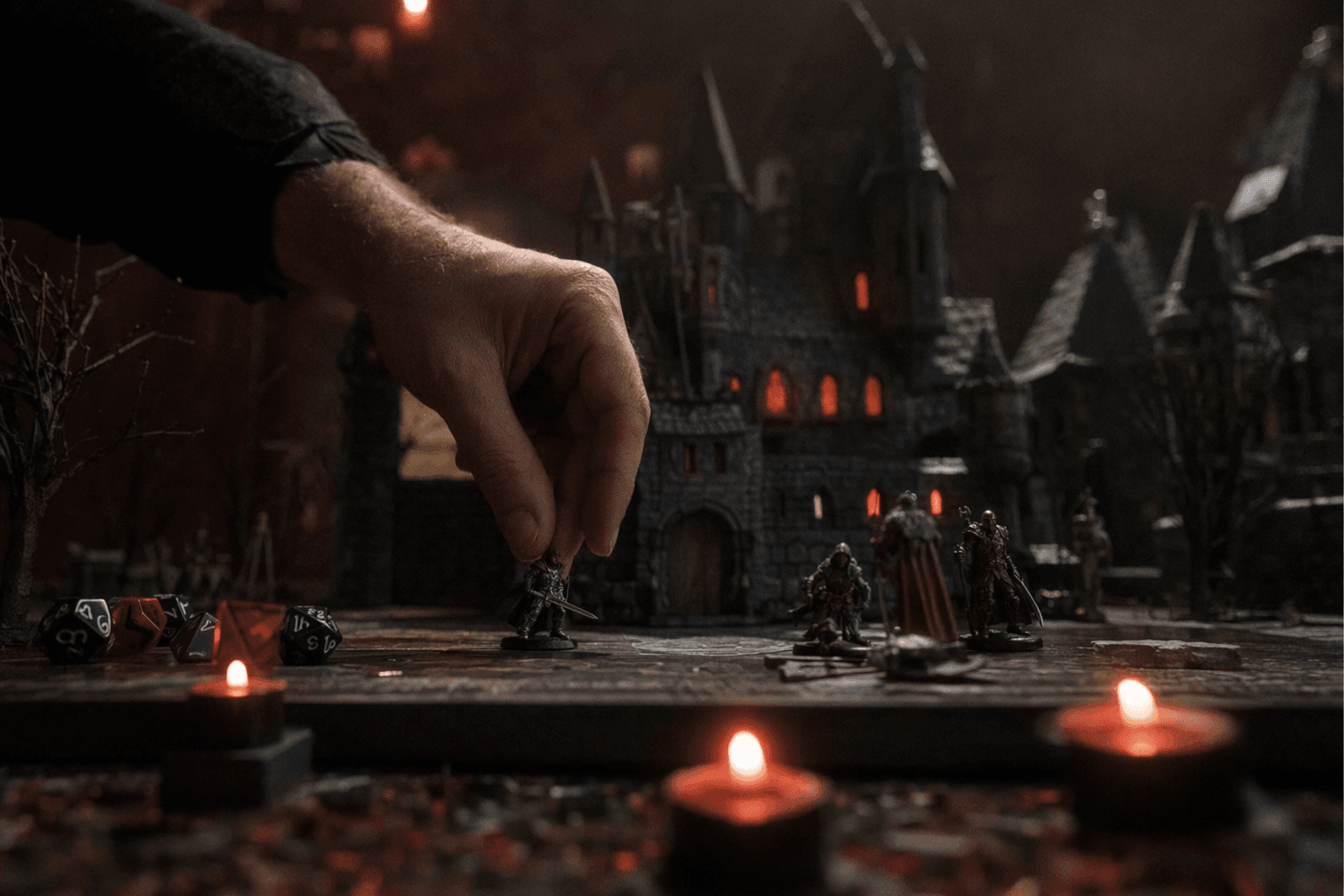
The safest rule just got weaponized
The smartest horror move in Dungeon Masters is brutally simple: it makes the long rest feel dangerous. In the show’s second episode, the Dungeon Master asks for a Constitution save before the party settles in, and some characters wake up with a level of exhaustion. That single twist hits hard because a long rest is usually the one part of D&D everyone trusts.
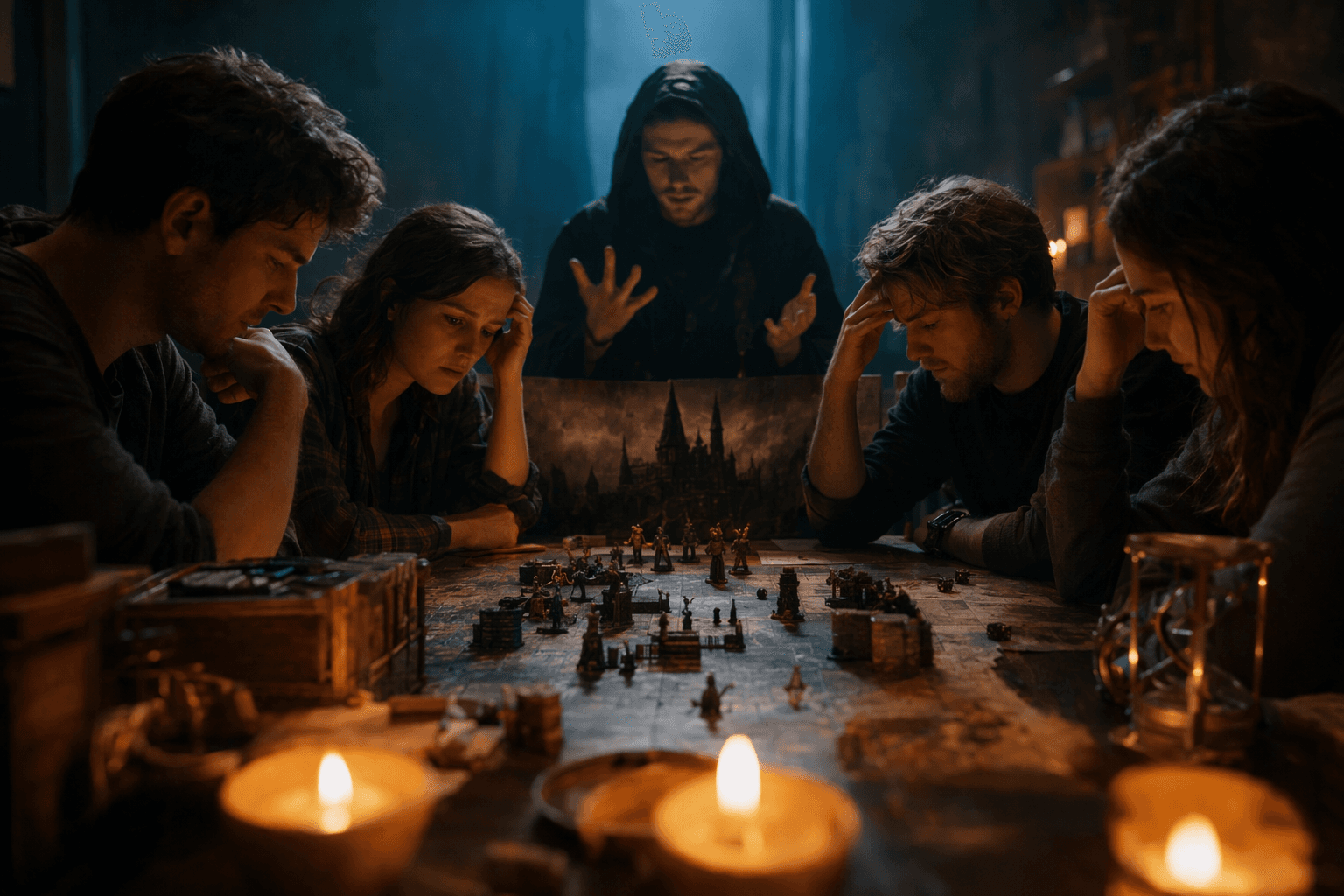
That is the trick worth stealing. If the table stops believing in downtime, the whole atmosphere changes. Suddenly Ravenloft is not just a haunted setting with castles and fog. It is a place where even the moment meant for recovery can bite back.
Why this works on players
A long rest in the current rules is supposed to be the calm in the storm: at least 8 hours with only limited light activity. It is where spell slots come back, hit points rebound, and the group resets for the next crawl. Exhaustion, by contrast, is a formal condition that makes the body feel worn down in a way players can track immediately.
That gap is why the save works so well. Players are trained to treat rest as safety, so when you attach a check to it, you puncture a core expectation without needing a new monster or a complicated house rule. The dread comes from uncertainty, not from damage numbers. The table starts asking a much more interesting question: if sleep is not safe, what is?
There is also a psychology lesson here. Horror lands harder when it attacks routine. A jump scare is momentary; a compromised rest session tells the group that their control over the adventure is slipping. That is exactly the kind of pressure Ravenloft thrives on, because fear in the Domains of Dread works best when it feels structural, not decorative.
What Dungeon Masters is actually doing
Wizards of the Coast announced Dungeon Masters on April 16, 2026, and the first two episodes premiered on April 22, 2026. New episodes are set to run weekly on Wednesdays at 6:30 p.m. PT on D&D’s YouTube channel, and the cast is anchored by Jasmine Bhullar as Dungeon Master, with Neil Newbon, Devora Wilde, Christian Navarro, and Mayanna Berrin at the table.
That format matters because the show is not being presented as a loose celebrity game. Wizards says each episode is followed by a playable encounter, which turns the series into both a story and a table-ready tool. Episode 2 is explicitly framed as The Long Rest, which tells you everything you need to know about the design goal: the episode is built around making rest itself the source of tension.
That is a strong signal for home DMs. The show is not just saying, “Here is a spooky battle.” It is saying, “Here is how you make the players fear the quiet parts.”
Why Ravenloft is the perfect place for this
This mechanic only really sings in Ravenloft because Ravenloft is already about compromised safety. The campaign is tied to Ravenloft: The Horrors Within, a 2026 D&D product that returns players to the Domains of Dread, and the official materials lean hard into horror as a full-spectrum mode rather than a single theme. Wizards is advertising 7 subclasses, 4 backgrounds, 4 species, and 11 feats, alongside a bestiary with 41 monstrosities and 10 domain denizens.
That is a lot of content, but the important part is the attitude behind it. Ravenloft is being framed as a place where fear, mystery, and dark power all shape play. The digital bundle adds 47 maps and 28 digital quickplay maps, which tells you the setting is designed to support both prepared campaign play and quick drop-in encounters. In other words, it is built for DMs who want the horror to feel immediate at the table.
The long-rest twist fits that philosophy because it changes the emotional use of a familiar rule. You are not inventing a new subsystem from scratch. You are using an existing pressure point, then making it feel cursed.
How to steal this for one session
If you want to use this idea at your own table, keep it tight and do not overcomplicate it. The goal is not to punish sleep. The goal is to make the players hesitate before they treat any shelter as a guarantee.
1. Pick one night, not the whole campaign.
Use the mechanic in a single haunted location, a cursed inn, a fogbound campsite, or a ruined chapel in the Domains of Dread. If every rest is dangerous, the trick goes stale fast.
2. Telegraph the threat before the roll.
Make it clear that this place does not follow normal comfort rules. Sound carries too far, the wind never stops, or the locals warn that sleep comes badly here. The save should feel ominous, not arbitrary.
3. Call for a Constitution save before the long rest completes.
Keep it simple and close to the show’s method. On a failure, apply a level of exhaustion. That gives the whole table an instant, legible consequence that feels physical rather than abstract.
4. Let the result change tomorrow’s plan.
Exhaustion matters because it carries forward. Once players feel that a bad night can shape the next expedition, the horror starts living in the calendar instead of just the initiative order.
The best part is that this does not require new stat blocks or a custom subsystem. It relies on two things D&D already knows how to do: long rests and exhaustion. That makes the experience feel like a corrupted version of normal play, which is exactly the right flavor for horror.
Why Dark Dice is the right comparison
The cleanest comparison is Dark Dice, the horror actual-play podcast that leans on immersive soundscapes, intense editing, and modified D&D 5e rules to keep the pressure high. It has also featured a roster that has included Jeff Goldblum, which tells you how far the format can travel when the tone is sharp enough. The point of the comparison is not just that both shows are spooky. It is that both understand horror as resource pressure.
That is the real lesson for DMs. Monsters scare people for a scene. Resource denial changes how the whole table behaves. When the group has to worry about whether they can even sleep safely, they start making worse decisions, and that is where Ravenloft becomes memorable.
Dungeon Masters is using official D&D branding, a playable follow-through, and a built-in Ravenloft release line to make one point very clearly: the most comforting ritual in the game can be turned into the thing everyone dreads. Once you make the long rest feel unsafe, you do not just scare the players. You make the world itself feel cursed.
This article was produced by Prism’s automated news system from verified source data, official records, and press releases, then run through automated quality and moderation checks before publishing. The system is built and supervised by the people who set the standards it runs under. Read our full AI policy.
Did this article answer your question?

