Dungeons & Dragons 2026 books target new players, worldbuilders, and lifestyle fans
The 2026 D&D slate is less about one big rules dump and more about who Wizards wants at the table. The standout is a workbook built to make character creation less intimidating and more useful for real play.
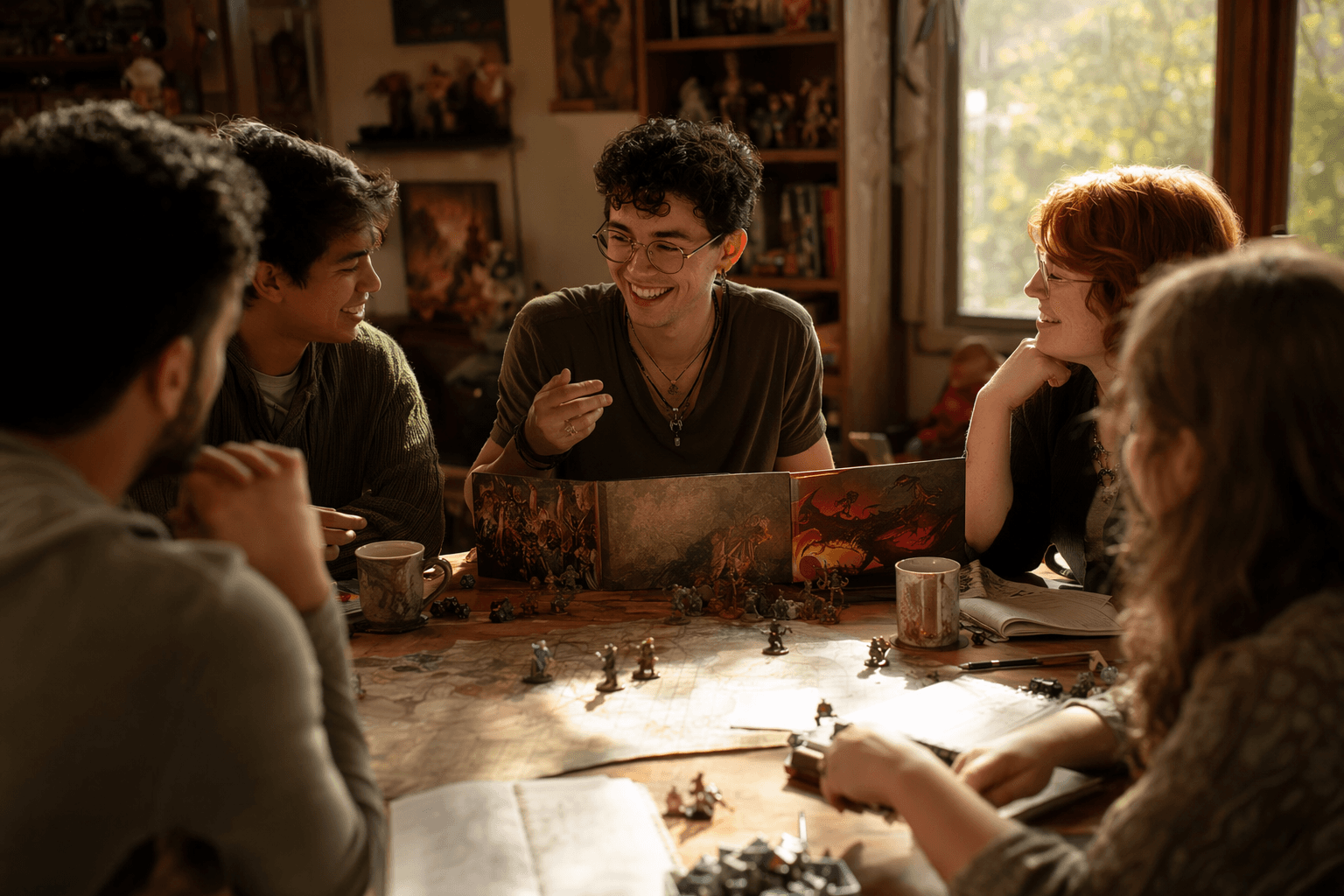
D&D’s 2026 slate is built for more than one kind of fan
What stands out about the 2026 book lineup is not just how much there is, but how deliberately it splits the audience. The mix points to a Dungeons & Dragons brand that is trying to serve the first-time player, the campaign planner, the lore junkie, and the fan who wants the hobby to spill beyond game night. That is the real story here: Wizards of the Coast is treating books as tools, not just products, and that changes what the year means for actual tables.
The clearest signal is the Player’s Workbook of Epic Adventures, which reads like a direct answer to the person who stares down a blank character sheet and freezes. Instead of asking a new player to absorb everything at once, the workbook is framed as a way to make character creation more creative and less intimidating. That matters immediately at the table, because the hardest part for a lot of newcomers is not combat or roleplay, it is getting from “I want to play” to “I have a character I can actually use.”
The workbook is the biggest onboarding move in the slate
The value of the Player’s Workbook of Epic Adventures is that it sounds built for use, not shelf appeal. If it works the way the framing suggests, it gives new players a guided path into the game while also giving veteran groups a fast way to get someone launched without spending half the night on setup. That is a meaningful shift, because anything that shortens character creation tends to get used, and anything that gets used becomes part of the group’s real routine.
There is also a sharper takeaway for DMs. A workbook like this does more than help one player fill in boxes. It can smooth out session zero, reduce dead time, and lower the friction when a new player joins mid-campaign. In practice, that means less table drag and more time spent on the part everyone actually remembers: the first scenes, the first choices, and the first bad plan that turns into a story.
The 2026 lineup is not just rules support, it is an ecosystem
The rest of the slate matters because it shows D&D being sold as a connected hobby rather than a single game line. Alongside the workbook, the 2026 lineup includes sourcebooks, companion guides, novels, and Baldur’s Gate 3 tie-ins. That spread tells you Wizards is not only chasing active players; it is also building for readers, collectors, and fans who may experience D&D through fiction or game-adjacent media first.
That broader approach is smart because it widens the points of entry. A sourcebook feeds the group that wants more material for campaign prep. A companion guide is for the person who likes structure, prompts, and support material. Novels catch the reader who wants D&D’s worlds without needing a weekly slot on the calendar. The Baldur’s Gate 3 tie-ins are the clearest example of crossover thinking, because they connect one of the most recognizable modern D&D touchpoints back into the book line.
New players get the easiest win, but they are not the only target
The slate is clearly friendly to newcomers, but it is not newcomer-only. The workbook is the most obvious gateway product, yet the rest of the lineup suggests Wizards wants to keep those players around after the first character is built. That is where the companion books and sourcebooks come in: they can turn a first-time player into someone who cares about subclasses, world details, and campaign tone.
For a group that has already been playing, the practical payoff is different. You are not looking for permission to start, you are looking for material that keeps the campaign moving. A workbook that reduces creation friction, plus sourcebooks that add structure, gives an existing table more ways to rotate in new characters, seed side plots, and refresh a campaign without waiting for a full rules overhaul.
Worldbuilders and DMs are getting more structure, not just more lore
One of the more useful parts of this slate is how it speaks to the spreadsheet-loving worldbuilder and the DM who likes structured prompts. That distinction matters. A pile of lore can be fun, but if it does not help you build a session, it stays theoretical. The 2026 books seem aimed at turning inspiration into prep, which is a much better fit for how most tables actually operate.
That also explains why the lineup feels broad rather than niche. A DM can pull from a sourcebook, use a companion guide for scaffolding, and still hand a workbook to a new player without making the whole table stop. The result is a cleaner pipeline from idea to character to session. In a hobby where setup fatigue is real, that is the kind of support people notice immediately.
The biggest gap is also the biggest clue
What is less visible in the slate is a giant one-book answer for everyone. Instead, the 2026 lineup looks like a collection of targeted products that each solve a specific problem. That is useful, but it also tells you something about priorities: Wizards seems more interested in extending the release calendar across different fandom lanes than in betting everything on one massive tentpole.
That is not a flaw if you care about actual play, because the sharper the product purpose, the easier it is to use. But it does mean groups planning their year should think in terms of plug-ins, not a single release that changes everything. If you want a new-player bridge, the workbook is the obvious pick. If you want campaign support, look toward the sourcebooks and companion guides. If you are here for the wider fantasy ecosystem, the novels and Baldur’s Gate 3 tie-ins are the pressure points.
The larger takeaway is simple: the 2026 books do not just expand D&D’s shelf space, they map the audience Wizards believes is worth keeping. Newcomers get a softer landing, DMs get more scaffolding, worldbuilders get more material to work with, and lifestyle fans get more reasons to stay in the brand even when they are not rolling initiative. That is a business strategy, sure, but it is also a table strategy, and it tells you exactly what kind of D&D year this is going to be.
This article was produced by Prism’s automated news system from verified source data, official records, and press releases, then run through automated quality and moderation checks before publishing. The system is built and supervised by the people who set the standards it runs under. Read our full AI policy.
Did this article answer your question?

