Dungeons & Dragons rules still leave final calls to the Dungeon Master
D&D’s books set the frame, but the Dungeon Master still makes the call. Sage Advice and the 2024 DMG make that hierarchy explicit.
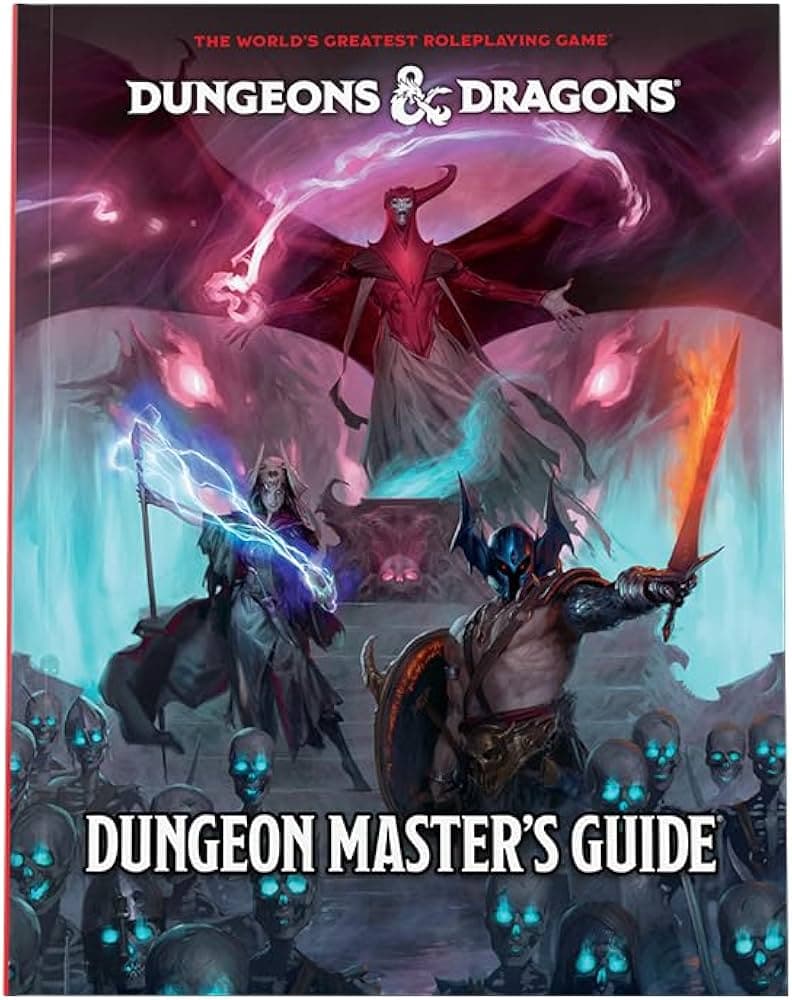
Dungeons & Dragons does not ask the rulebook to solve everything. It gives the table a structure, then hands the final ruling to the Dungeon Master when the weird edge case hits the grid.
The rules point to a referee, not a courtroom
The cleanest way to read fifth edition is to stop treating it like a debate over who can quote the book fastest. The Sage Advice Compendium exists as a collection of questions, answers, and corrections, and the current Sage Advice page says official rulings are made there while the Dungeon Master adjudicates the game and always has the final say on rules questions. It also spells out RAW, short for rules as written, which is useful shorthand but not a substitute for judgment.
That matters because the game’s public rules are built to organize play, not to eliminate interpretation. Public statements from D&D team members or Wizards staff are framed as advice, not official rulings, so table authority still lives with the DM. In practice, that means the book gives you the baseline, Sage Advice clarifies the thorniest calls, and the DM applies both in the moment so the session keeps moving.
How the official hierarchy actually works
This is not permission for random rulings. It is a structure. The printed rules give the first answer, official rulings handle ambiguity, and the Dungeon Master decides how that all lands at a specific table. That layered approach is the reason D&D can stay recognizable across groups while still leaving room for judgment when the text does not anticipate every possible interaction.
The current Sage Advice page reinforces that structure by listing the fifth edition core rulebooks under Rules References: the Player’s Handbook, Monster Manual, and Dungeon Master’s Guide. That is a quiet but important signal. The DM is not ruling in a vacuum, and the game is not built around improvisation alone. The rules remain the anchor; the DM decides how to apply them when the situation gets messy.
What the 2024 Dungeon Master’s Guide is built to do
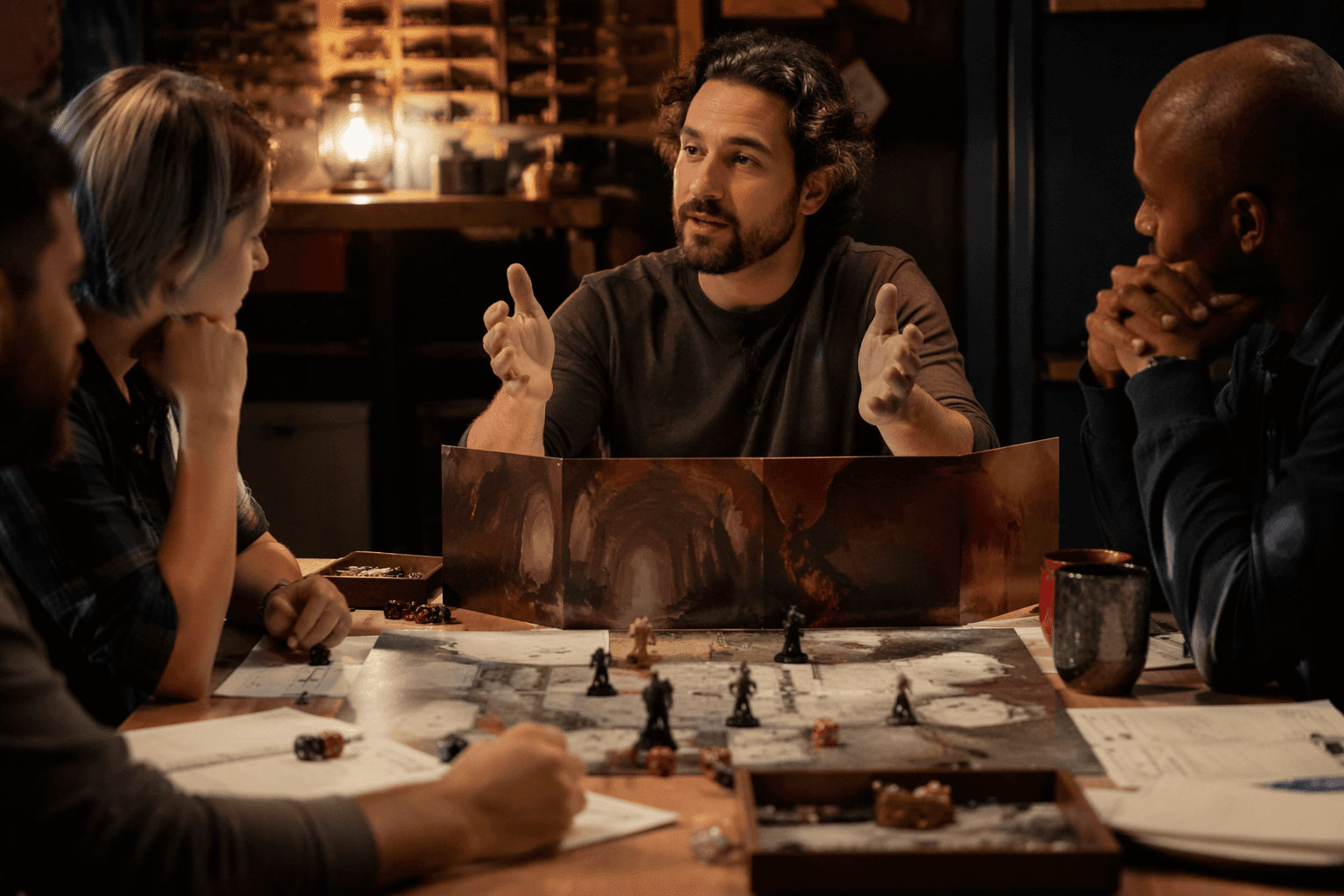
The 2024 Dungeon Master’s Guide makes that philosophy explicit in its table of contents. It includes sections such as What Does a DM Do?, Preparing a Session, How to Run a Session, Resolving Outcomes, Consequences, Improvising Damage, Improvising Answers, Running Social Interaction, Running Exploration, and Running Combat. That is not the layout of a lore book or a treasure catalog. It is a manual for adjudication.
The book is also designed for a wide range of experience levels. Wizards says the 2024 DMG is intended for Dungeon Masters of all experience levels and includes real-world examples of common pitfalls, plus suggestions for handling them. D&D Beyond describes it as 384 pages of new and redesigned content, with a decade’s worth of feedback folded into the revision. The message is straightforward: a good DM is not expected to have every answer memorized, but they are expected to use the book’s tools to make rulings that are understandable and consistent.
The 2024 refresh also changed how the DMG fits into play
The 2024 Dungeon Master’s Guide arrived with a clear release plan. Wizards set the general release date for November 12, 2024, with local game store early access in the U.S. and Canada beginning October 29, 2024. D&D Beyond also says that when you play D&D with the 2024 Dungeon Master’s Guide, it replaces all rules in the 2014 version of the book.
That replacement matters because it turns the new DMG into the active authority at the table rather than a side option. D&D Beyond also notes that the book was reorganized to move from running an individual session to running a campaign, which fits the broader philosophy behind Sage Advice. The rules are still there, but the book is trying to help the DM connect one scene to the next, not just answer isolated rules questions.
Why this has stayed consistent for years
The idea that the DM has the final say is not a fresh invention tied to the 2024 refresh. Earlier Sage Advice Compendium PDFs from 2016, 2019, and 2020 repeat the same core principle: the DM has final say, and staff statements are advice rather than rulings. Wizards has long presented Sage Advice as a place for questions, answers, and corrections, which makes the current page feel less like a new doctrine and more like the latest version of a long-running fifth edition assumption.
The 2024 Sage Advice and errata hub also keeps that system current by listing the 2024 Player’s Handbook, Dungeon Master’s Guide, and Monster Manual errata pages as last updated on April 16, 2025. That tells you the rules conversation is still alive, but it also shows where authority sits. The official books and official clarifications remain the reference points, and the DM still decides how those references play out at the table.
What to do with that at your own table
The practical takeaway is simple: use the text, use the clarifications, then make the call in a way your table can follow. A strong DM does not improvise to show off control; they choose a ruling that is consistent, explainable, and fast enough to keep the scene alive. A strong player does not treat every edge case like an appeal, because the game was never designed to be won by citation alone.
That is the real lesson hiding inside Sage Advice and the 2024 DMG. D&D works because the books set the frame, but the human at the table turns that frame into play, one ruling at a time, until the next roll asks for the same judgment all over again.
This article was produced by Prism’s automated news system from verified source data, official records, and press releases, then run through automated quality and moderation checks before publishing. The system is built and supervised by the people who set the standards it runs under. Read our full AI policy.
Did this article answer your question?