Hasbro positions Dungeons & Dragons as a consumer products platform in 2026
Questers was the sharpest signal on Hasbro’s Expo floor: D&D is moving into blind-packed collectibles, Target aisles, and Gen Alpha shelves. The brand is being sold as merch, not just a rulebook.
Dungeons & Dragons took a clear step deeper into the consumer-products aisle at Licensing Expo, where Hasbro used its return to Las Vegas to frame the brand as more than a tabletop RPG. The sharpest signal was Dungeons & Dragons Questers, a new collectible figure line from Basic Fun! built around D&D’s fantasy creatures and heroic archetypes, and aimed squarely at Gen Alpha.
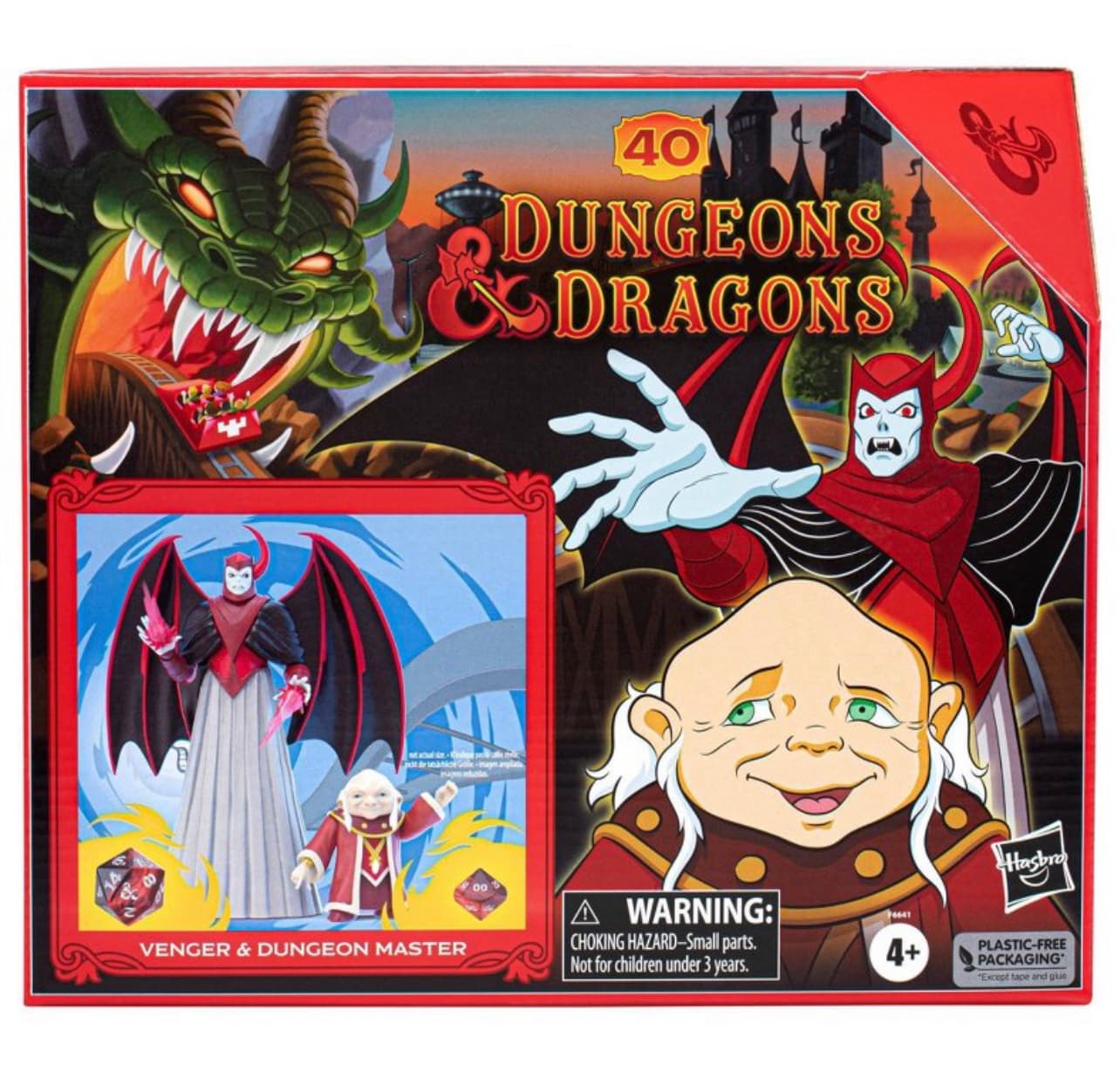
Hasbro said its Licensing Expo presence at Mandalay Bay Convention Center in Las Vegas was meant to spotlight the creative breadth, innovation, and global scale of its franchises, including Dungeons & Dragons. That language matters because it places D&D alongside the company’s broader licensing machine, where the goal is not just game sales but toys, collaborations, and shelf space that can travel far beyond the game table.
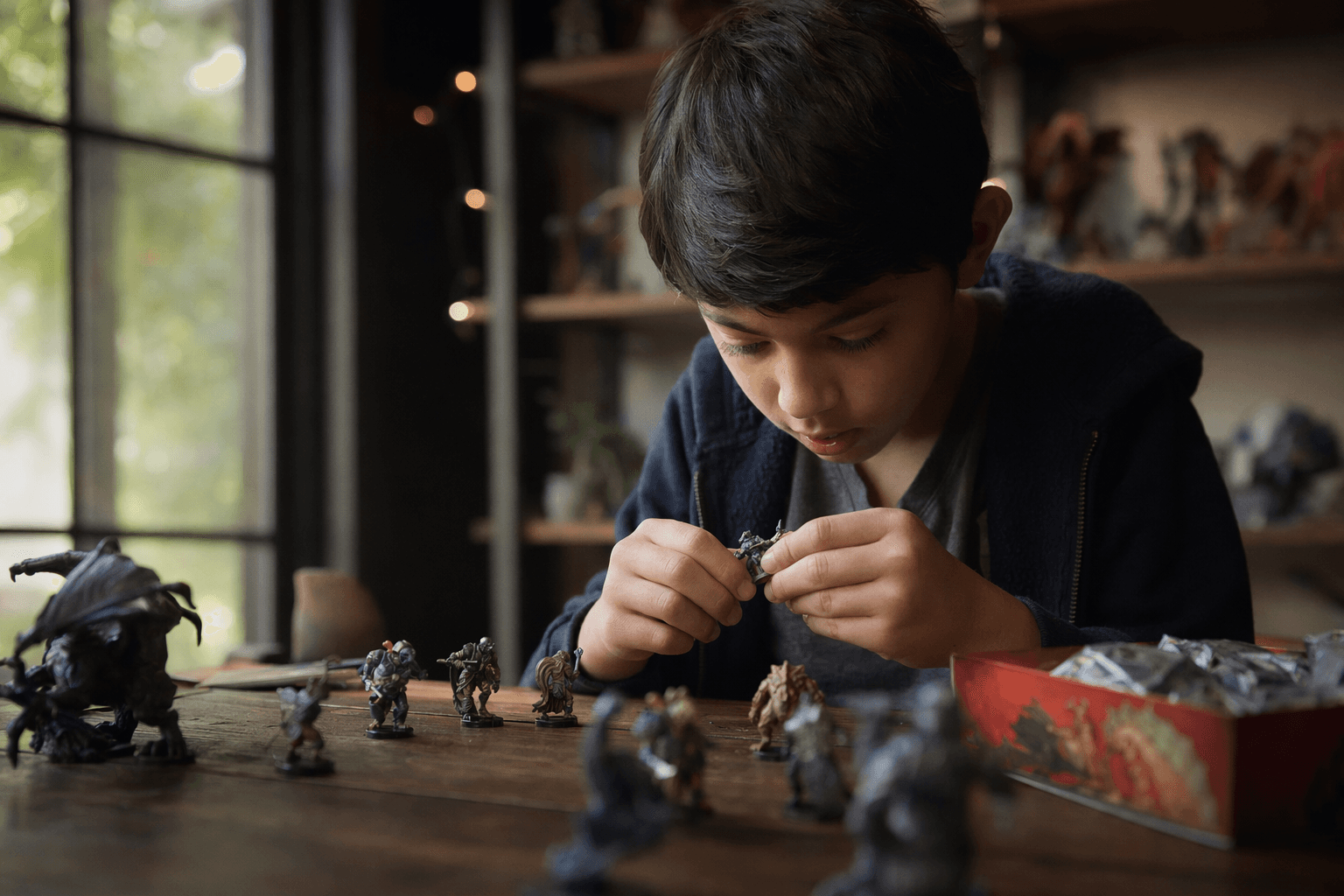
Questers is the clearest example of that push. Basic Fun! announced a worldwide licensing agreement with Hasbro through Wizards of the Coast on February 10, 2026, and said the line would debut at retail in July 2026. Trade coverage adds more texture to the pitch: Questers will come in three distinct collectible scales, will be blind-packed, and is aimed at kids ages 5 to 8. The line is also set to launch first at Target before expanding globally, a rollout that suggests Hasbro and Basic Fun! want the brand to feel both giftable and collectible from day one.
For D&D fans, the important shift is not just that a toy line exists. It is the way the brand is being packaged for multiple audiences at once. Questers turns D&D into a physical object that can be traded, displayed, and bought without ever opening a rulebook, while still leaning on the monsters, heroes, and fantasy language that define the game. That makes it a different kind of extension than a new sourcebook or miniature set. It is D&D as an entry point for younger buyers who may know the brand first through a blind bag rather than a character sheet.
The move also fits a wider strategy Hasbro has been telegraphing for D&D. In 2024, the company marked the game’s 50th anniversary and said the brand had more than 50 million fans. In September 2025, Hasbro announced a new Wizards of the Coast game-development hub in Montreal expected to create about 200 jobs over three years. Together with the Licensing Expo push and Wizards of the Coast’s continuing digital games work, the pattern is hard to miss: D&D is being built as a franchise that can live on toy shelves, in retail endcaps, and still come back to the table when the next session starts.
Know something we missed? Have a correction or additional information?
Submit a Tip