Highfolk fun and games brings community events, riddles and map updates
Highfolk’s newest play kit turns Greyhawk into a living table experience, with community art, riddles, maps and travel tools that reward social play as much as combat.
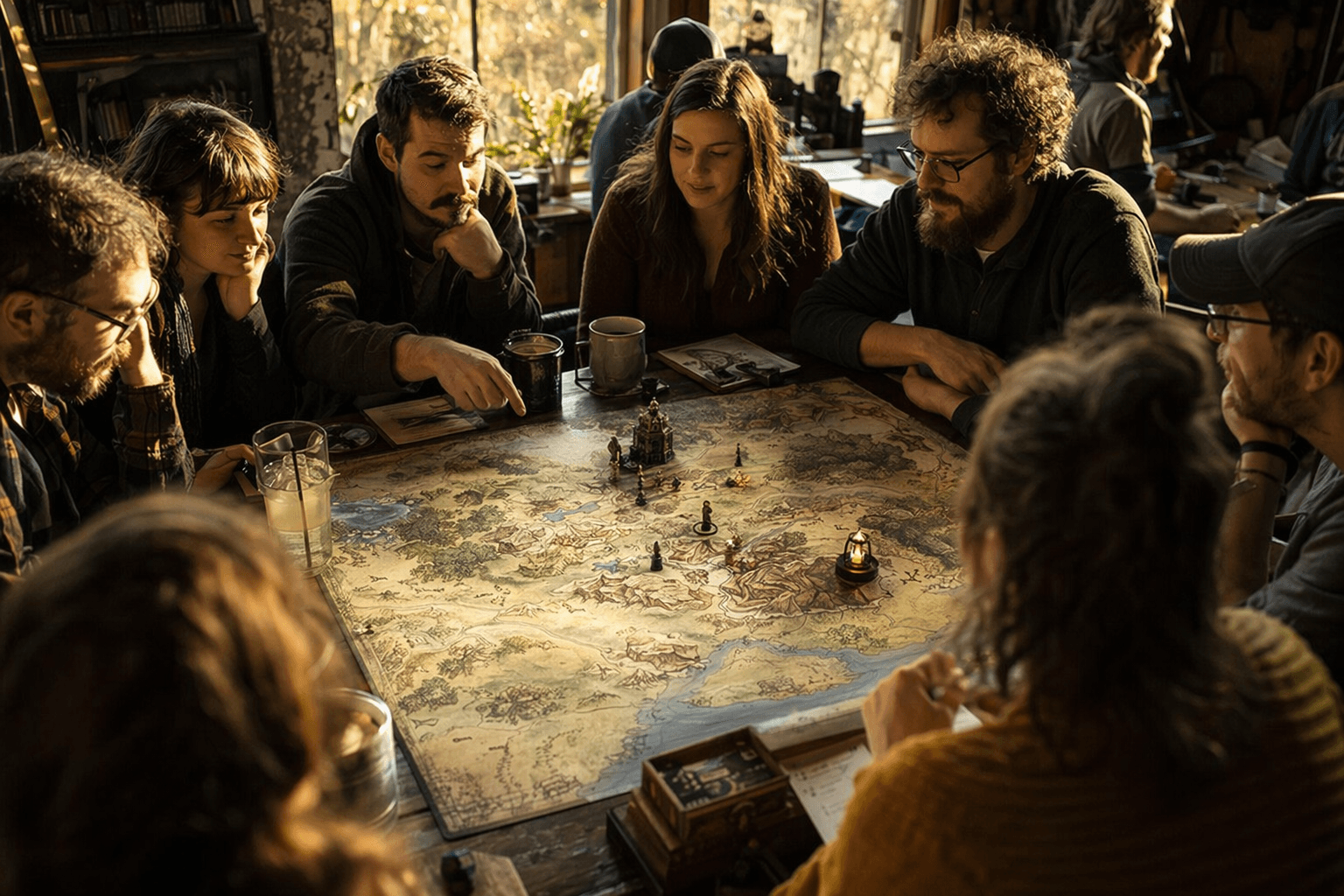
Highfolk is leaning into the kind of D&D session that lives or dies on atmosphere. If your table has been craving more than another fight map, the Free Lands’ latest push gives you a ready-made template: celebration scenes, player-facing puzzles, community rituals, and an evolving frontier map that makes exploration feel personal. That matters because Highfolk is not being sold as backdrop alone. It is being built as a place where the table can participate in the story, not just pass through it.
Planting turns the frontier into a festival
Highfolk Fun & Games starts with a simple but powerful idea: Planting season is not downtime, it is the social heartbeat of the region. The Free Folk gather for games, laughter, and merriment, even when the circumstances are strange, and that gives DMs an immediate tone dial for their own campaigns. Instead of treating the frontier as a string of encounters, Highfolk frames it as a community that knows how to celebrate while the world presses in.
That framing is especially useful in a campaign zone built around survival and moral choice. Highfolk sits on the western edge of the Vesve Forest, bordered by the Yatil Mountains and the Kingdom of Furyondy, with the Velverdyva River running through its heart. The region already has the bones of a classic hex-crawl, but the festival tone keeps it from becoming a travel spreadsheet. Every stop can be a chance to rest, trade stories, or join in a local custom before the next stretch of wilderness.
The new Highfolk toolkit is built for tables, not just lore readers
The strongest part of the current Highfolk push is how many pieces are meant to be used at the table right away. Baldman Games, the organizer behind Legends of Greyhawk, has shaped Highfolk as a living part of the official Dungeons & Dragons organized play campaign set in Greyhawk. That means the region’s events are not isolated side notes. They are part of a broader campaign structure that ties community participation to actual play.
Here are the pieces DMs can lift directly:
- Capture the Spirits turns fandom into worldbuilding. This first-of-its-kind Baldman Games community event invites players to create interpretations of three nature spirits of Highfolk. Some submissions may be spotlighted, which gives the project real community energy instead of a purely decorative art prompt.
- The interactive Highfolk map keeps the region in motion. The site says more of Highfolk will be revealed over time, which is exactly the kind of slow-burn reveal that makes a campaign setting feel owned by the table instead of frozen in a sourcebook.
- The Riddle of the Trees adds a puzzle lane for groups that like low-pressure competition. Players can answer two riddles to win Highfolk prizes, with separate reward tracks for a Greeny, or Basic, Riddle and a Warden, or Advanced, Riddle.
- The trinket table returns at each of the May and June VDDWs, giving DMs an easy way to seed local texture. Trinkets are one of the fastest ways to make a settlement feel inhabited, because they hand players a tiny piece of a place they can carry forward.
- The coming Highfolk Travel Mechanic promises old-school hex-crawl style play with meaningful results for both players and DMs. That is the exact kind of mechanical support frontier campaigns need if you want exploration to matter as much as initiative order.
Capture the Spirits is also a community art event with real stakes
The Capture the Spirits project matters because it is not just asking for submissions, it is setting clear ownership and content rules that protect creators. Entrants keep ownership of their work, and submitting does not transfer that ownership. Generative AI content is not allowed, which keeps the project grounded in human-made interpretations of Highfolk’s spirits and preserves the handmade feel that organized play often loses when it gets too polished.
The submission deadline was Tuesday, May 12, 2026, and that timing reinforces the event’s role as an anchor for the spring season. It is the sort of initiative that gives a setting texture beyond stat blocks. When players can contribute art or interpretations to a campaign’s spirit, the world stops feeling like a product and starts feeling like a shared table artifact.
Wrath of the Blighted Wood gives the spring story its spine
Under the festival sheen, Highfolk’s spring storyline is still carrying a serious threat. Wrath of the Blighted Wood, written by Gregory Harris, centers on corruption spreading through the Vesve Forest, with magical wards being planted to slow the blight. Agents of Iuz and the Walking Green stand in the players’ way, which means the campaign is balancing wonder with pressure instead of separating the two.
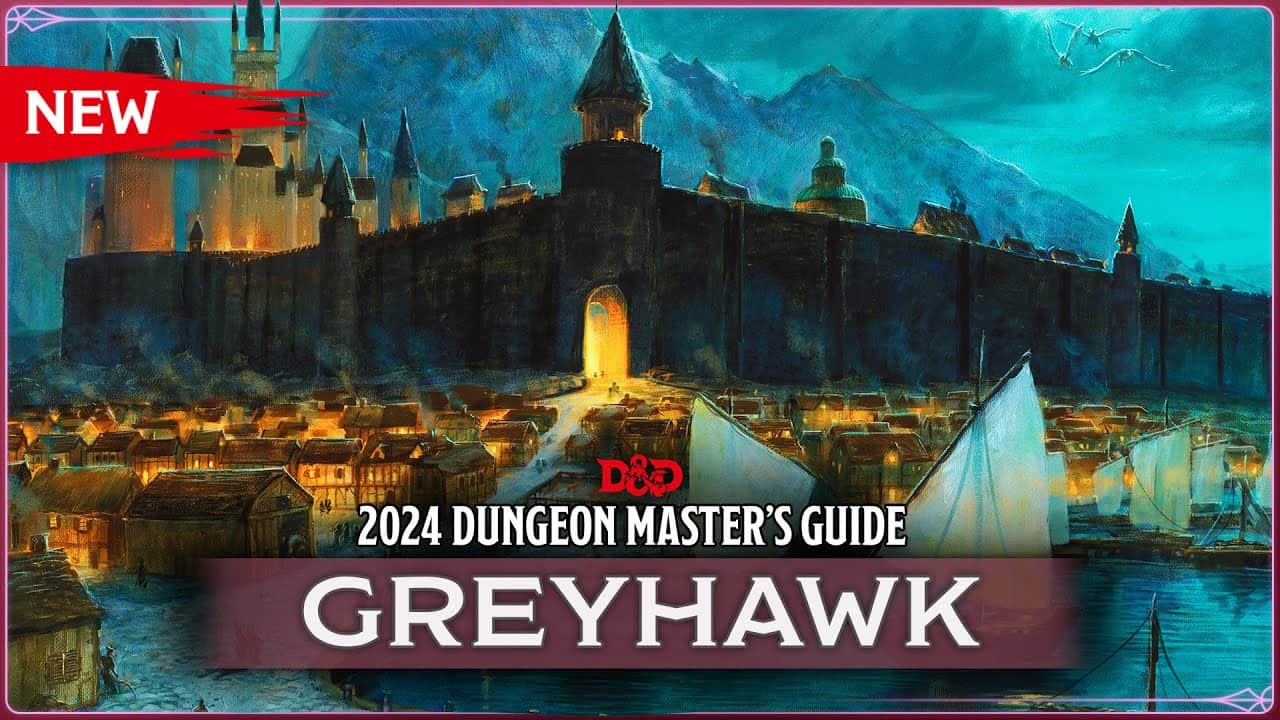
That adventure also shows how carefully the campaign is being built behind the curtain. Savannah Houston-McIntyre is listed as project lead, with Jon Christian and Matt Dunn as design leads. Those credits matter because they signal that Highfolk is not a one-off themed event. It is a structured, multi-person campaign effort designed to support a region that can evolve over time without losing its identity.
The storyline is already stretching into June and beyond
Baldman Games said in May 2026 that the Highfolk storyline continues in June with LoG-HF-06 and the return of the first Highfolk trilogy. That is the clearest sign yet that this corner of Greyhawk is being treated as an ongoing arc rather than a single seasonal burst. For tables, that means the region can build continuity through recurring NPCs, repeated locations, and consequences that carry from one session to the next.
The fall Weekend in Highfolk is positioned as the larger showcase, with added fanfare, activities, and the chance to help shape the fate of the Free Lands. That bigger event gives the campaign a useful rhythm: spring for tension and growth, summer for continuation, fall for the fuller celebration of everything the region has become. It is the kind of structure that lets a table feel like it is moving through a living calendar, not a disconnected series of adventures.
Why Highfolk’s approach works at the table
Highfolk’s real trick is that it understands something veteran DMs learn the hard way: not every memorable session comes from a boss fight. Sometimes it comes from the riddle that breaks the ice, the trinket that sparks a table theory, or the map reveal that makes players lean forward because they can tell the world is still opening up.
That is what makes Highfolk Fun & Games such a useful model for D&D groups right now. It gives you a frontier that behaves like a community, a campaign that rewards curiosity, and a set of social play tools that can turn a quiet session into the one everyone remembers when the last die hits the tray.
This article was produced by Prism’s automated news system from verified source data, official records, and press releases, then run through automated quality and moderation checks before publishing. The system is built and supervised by the people who set the standards it runs under. Read our full AI policy.
Did this article answer your question?

