How D&D spell slots power magic in the 2024 rules
Spell slots are the real engine of 2024 D&D magic, and the fastest way to stop spellcasting confusion is to master slots, preparation, and concentration.
In the 2024 rules, every spell has a level from 0 to 9, cantrips sit at level 0, and your actual magical gas tank is measured in spell slots. That logic still trips up new D&D players and slows a table down because it hides under a pile of flashy spell names.
Spell slots are the currency
The cleanest way to think about slots is as currency. A spell has to be cast with a slot of its level or higher, so you are not just picking a spell off a menu, you are spending power to make it happen. That matters because some spells also scale when you feed them a higher-level slot, which is why the same spell can feel modest in one fight and much nastier in another.
The 2024 rules treat spell slots as the main way a spellcaster’s magical potential is represented. It explains why a caster can look loaded on paper and still be running on fumes after a few big turns. Level 1 and higher spells are not meant to be thrown around without limits.
A level 3 wizard is the simplest example of the system in miniature. At that point, the wizard has four 1st-level spell slots and two 2nd-level spell slots, which means you are constantly deciding whether a spell is worth spending your smaller or bigger pieces of the pool. Cantrips, by contrast, are the cheap stuff, the level 0 tools you can rely on without burning through that pool.
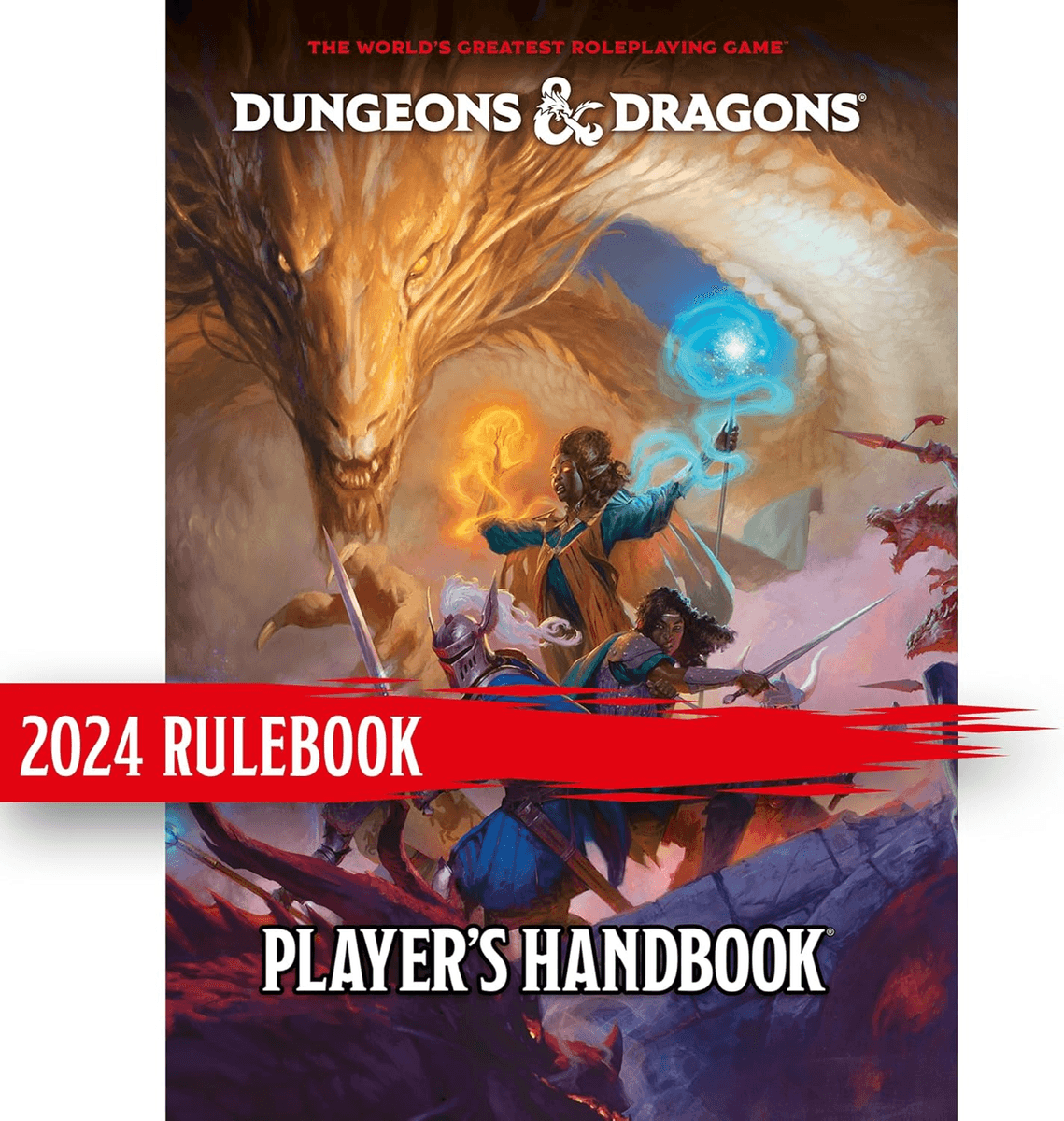
The 2024 Player’s Handbook runs 384 pages and includes more than 100 pages of spells. D&D Beyond lists it as the largest Player’s Handbook in Dungeons & Dragons history.
Prepared spells and known spells are where classes split apart
Once the slot system clicks, the next place people get tangled is the difference between what a class knows and what it prepares. Sorcerers still use the more constrained spells-known model from the sorcerer list, so their spell loadout feels fixed and deliberate. That is a very different rhythm from classes that rebuild their daily list.
Wizards and clerics are the easiest prepared-caster examples. Both can change prepared spells after a long rest, and in the 2024 rules that preparation costs time, at least 1 minute per spell level for each spell prepared. That means a wizard who swaps in a pile of higher-level options is not doing a casual five-second edit between scenes, and a cleric who wants to retool for the day has to treat that choice like part of the schedule.

Bards sit in a more flexible lane in the 2024 rules. When their prepared-spells number increases, they choose from the bard, cleric, druid, and wizard spell lists, which gives them a broader menu than most new players expect.
Armor can shut the door on casting
One of the easiest mistakes at the table is assuming spellcasting works the same way regardless of what you are wearing. It does not. In the 2024 rules, you must have training with any armor you are wearing to cast spells while wearing it, and if you wear armor without that training, you cannot cast spells at all.
That rule matters more than it sounds like it does, because the penalty does not stop at magic. If you are wearing armor you are not trained for, you also have disadvantage on any D20 test involving Strength or Dexterity. That is a brutal enough downside that it should change how you think about gear, especially if you are building a caster who wants to wade into the front line.
Concentration is the hidden limiter
Concentration is the rule that keeps D&D’s strongest ongoing effects from turning into an unmanageable pile of buffs and control magic. A character can concentrate on only one spell or ability at a time, and concentration spells are marked in the duration line. The same rule can even apply to certain traits or magic items that function as if you were concentrating on a spell.
The part that catches people is timing. Any spell with a casting time longer than one action requires concentration during the casting itself, including ritual casting, because the casting time is still longer than a single action. If you lose concentration, the spell slot is not expended, which is a small mercy when a plan gets interrupted before the magic lands.
There is also an immediate cutoff that keeps spell stacking honest. If you start casting another concentration spell, your first concentration ends right then and there.
This article was produced by Prism’s automated news system from verified source data, official records, and press releases, then run through automated quality and moderation checks before publishing. The system is built and supervised by the people who set the standards it runs under. Read our full AI policy.
Did this article answer your question?

