How Dungeons & Dragons supports one-on-one adventures with sidekicks
Sidekicks make duet D&D practical: they patch combat gaps, keep the lone hero centered, and let Dragon of Icespire Peak carry a full campaign from level 1 to 6.
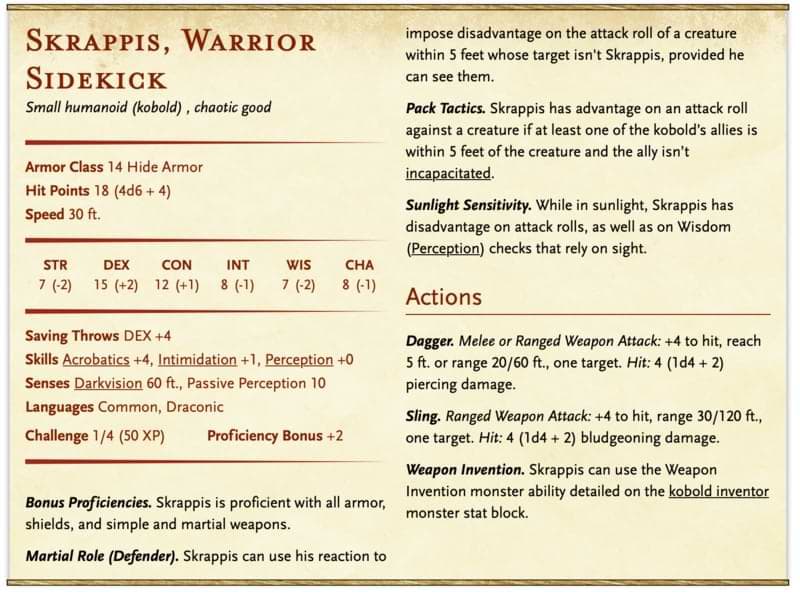
Dragon of Icespire Peak gives one player and one Dungeon Master a Dungeons & Dragons campaign that can still move forward. The format works because the game’s official sidekick rules keep that smaller table from feeling brittle, turning a solo hero into the center of a playable adventure instead of a fragile curiosity.
Why duet play works at the table
A one-on-one campaign changes the social geometry of D&D without changing the core of the game. There is no party of five waiting on initiative order, no group consensus grind, and no need to split spotlight between multiple player characters. That makes decisions faster and character choices more personal, which is exactly why the format can feel so immediate from session one.
The tradeoff is also clear: a single character has fewer tactical options and less safety when the dice turn cold. That is where official support matters, because sidekicks give the DM a rules-backed way to add support without turning the table into a full party game.
The official tools that make it viable
Wizards of the Coast gave this mode an especially clear shape through the Dungeons & Dragons Essentials Kit, which includes Dragon of Icespire Peak. It is a complete sandbox adventure designed for character levels 1 to 6, a range that makes it easy to start small and grow into a longer campaign without needing to rebuild the whole structure.
The company also published a complimentary preview PDF for Dragon of Icespire Peak. D&D Beyond followed with an official guide titled “New Player’s Guide: How to Play D&D One-on-One.”
Sidekicks became even more central with Tasha’s Cauldron of Everything, which expanded official sidekick support. D&D Beyond also published “How to Play Sidekicks Like Heroes in Tasha’s Cauldron of Everything” and “3 Sidekicks to Recruit to Your Ragtag Party of Adventurers.”
How sidekicks solve the practical problems
Sidekicks patch the exact holes a lone character exposes. They can cover healing, hold the frontline, or bring exploration skills that a single build might not have, all while leaving the main character at the center of the story.
At the table, that means the sidekick should act like a companion, not a second protagonist. Give them useful turns, clear combat roles, and enough personality to matter in scenes, then keep their decisions simple enough that the player is not suddenly managing an extra full character sheet.
A useful way to think about the role is in three jobs:
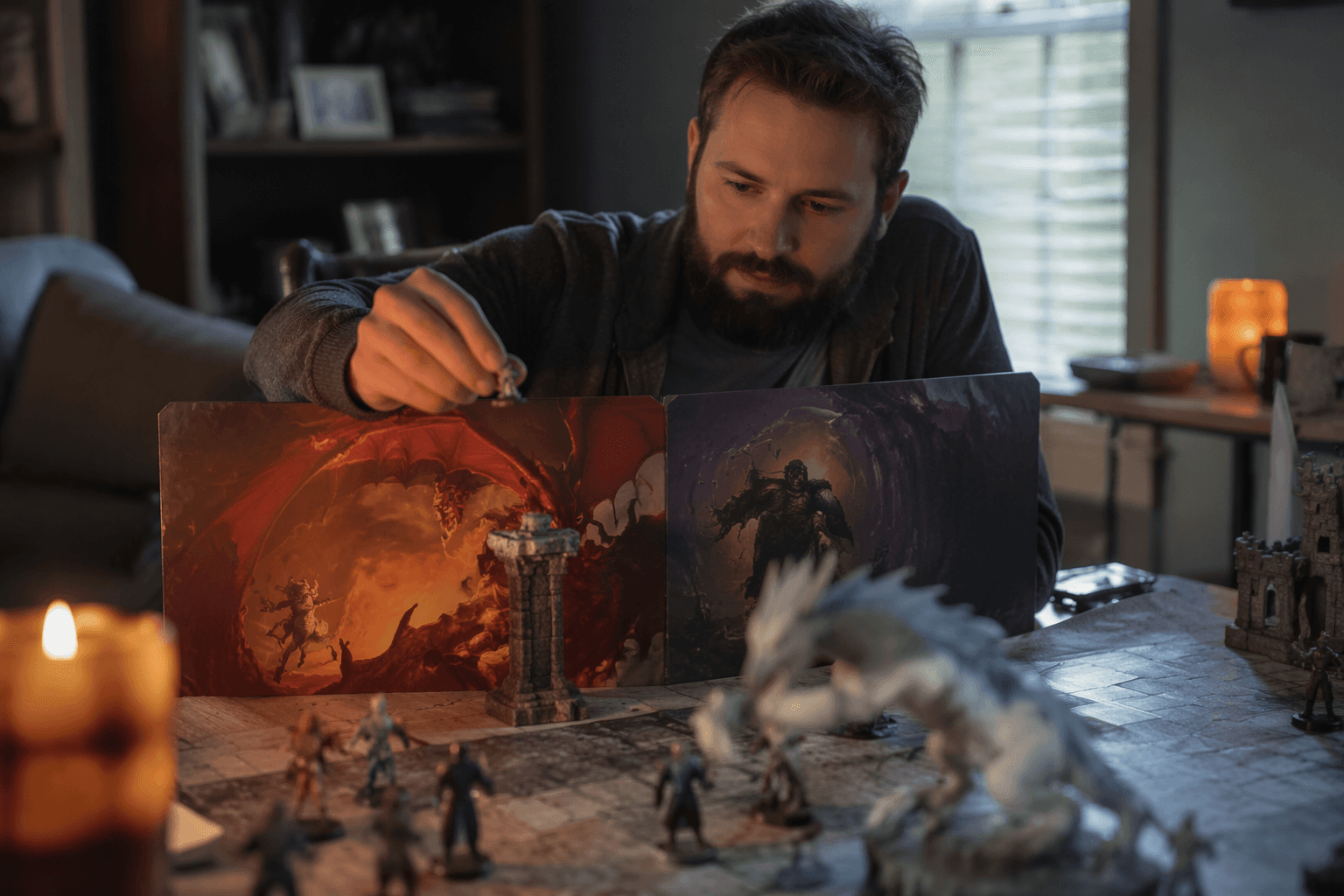
- Healing when the player character cannot cover recovery alone
- Frontline defense when the hero would otherwise be too exposed
- Exploration support when the campaign needs extra eyes, keys, or survival know-how
What to change in encounter design
Duet play works best when encounters are a little cleaner than a standard four- or five-character party adventure. A DM running for one player should look for fights with fewer simultaneous enemies, straightforward objectives, and terrain that creates tension without demanding a huge tactical puzzle. Dragon of Icespire Peak fits this approach well because it is built as a sandbox adventure with clear quests and manageable locations, which makes it easy to pace for one hero and one companion.
The safest encounters are the ones that give the player obvious choices: rescue someone, recover something, hold a position, or defeat a single standout threat with a small group of supports around it.
When the fight is supposed to be hard, the danger should come from the fiction and the pressure, not from forcing the player to juggle too many enemy turns. A sidekick can absorb some of the strain, but the real test in duet play is whether the encounter still leaves the player with room to act.
Spotlight management becomes easier, not harder
The biggest advantage of one-on-one D&D is that spotlight management is almost automatic. There is only one player, so every scene can turn toward that character’s goals, their history, and their choices without needing to divide attention across a party. That makes intimate roleplay easier, especially when NPCs are used to carry exposition, offer quests, or present meaningful forks in the road.
This is also why mission-driven play works so well. Dragon of Icespire Peak’s level 1 to 6 structure gives the DM a built-in runway for short arcs, clear objectives, and self-contained locations.
The best one-on-one stories usually center on a single adventurer with a direct stake in what happens next. That can be a classic quest chain, a personal hunt, a rescue mission, or a series of linked jobs that build trust between the hero and their sidekick.
The right way to start this week
If you want to try duet play now, the cleanest on-ramp is the Essentials Kit plus sidekick support from Tasha’s Cauldron of Everything and D&D Beyond’s one-on-one guidance. Start with a character built for a clear role, add one companion who covers a weakness, and lean on Dragon of Icespire Peak’s clear quest structure instead of trying to imitate a sprawling party campaign.
This article was produced by Prism’s automated news system from verified source data, official records, and press releases, then run through automated quality and moderation checks before publishing. The system is built and supervised by the people who set the standards it runs under. Read our full AI policy.
Did this article answer your question?