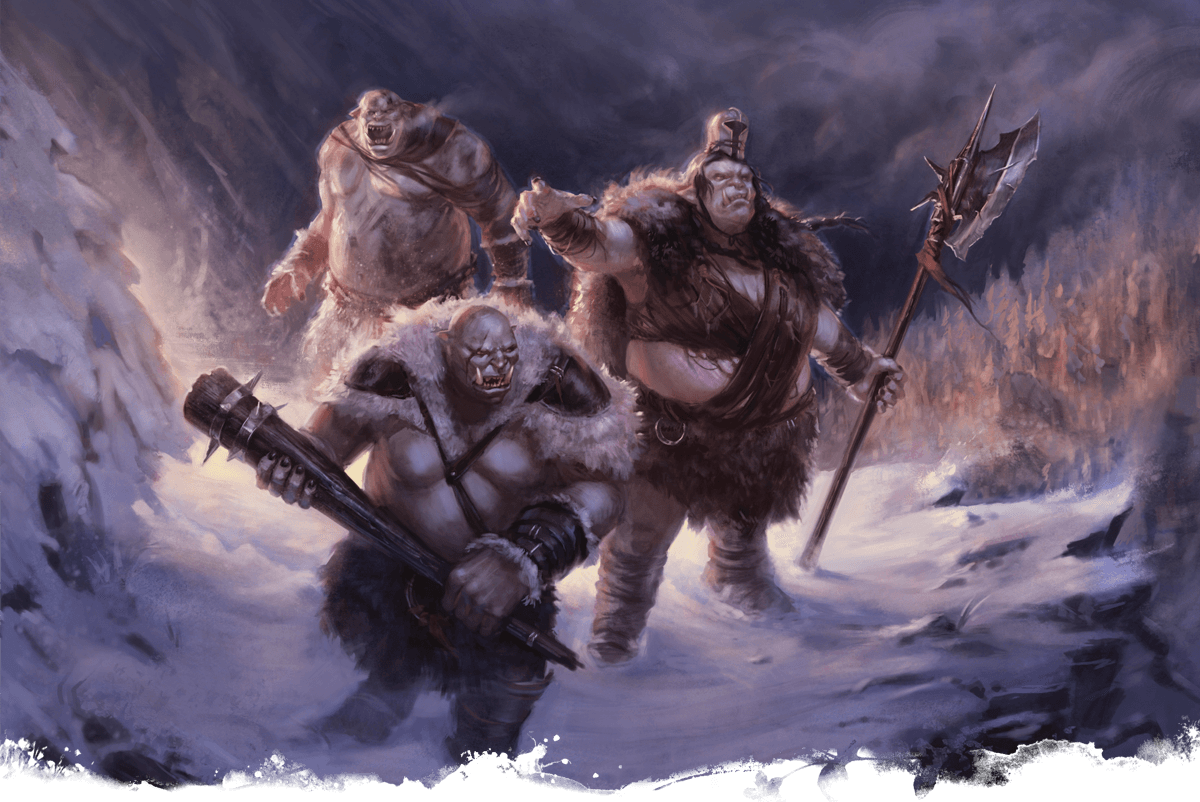
Mike Mearls says D&D should make resurrection harder to access
Mike Mearls wants resurrection to feel like a faction problem, not a spell slot. His alternative would push dead PCs toward temples, sages, and alchemists instead of quick revival.
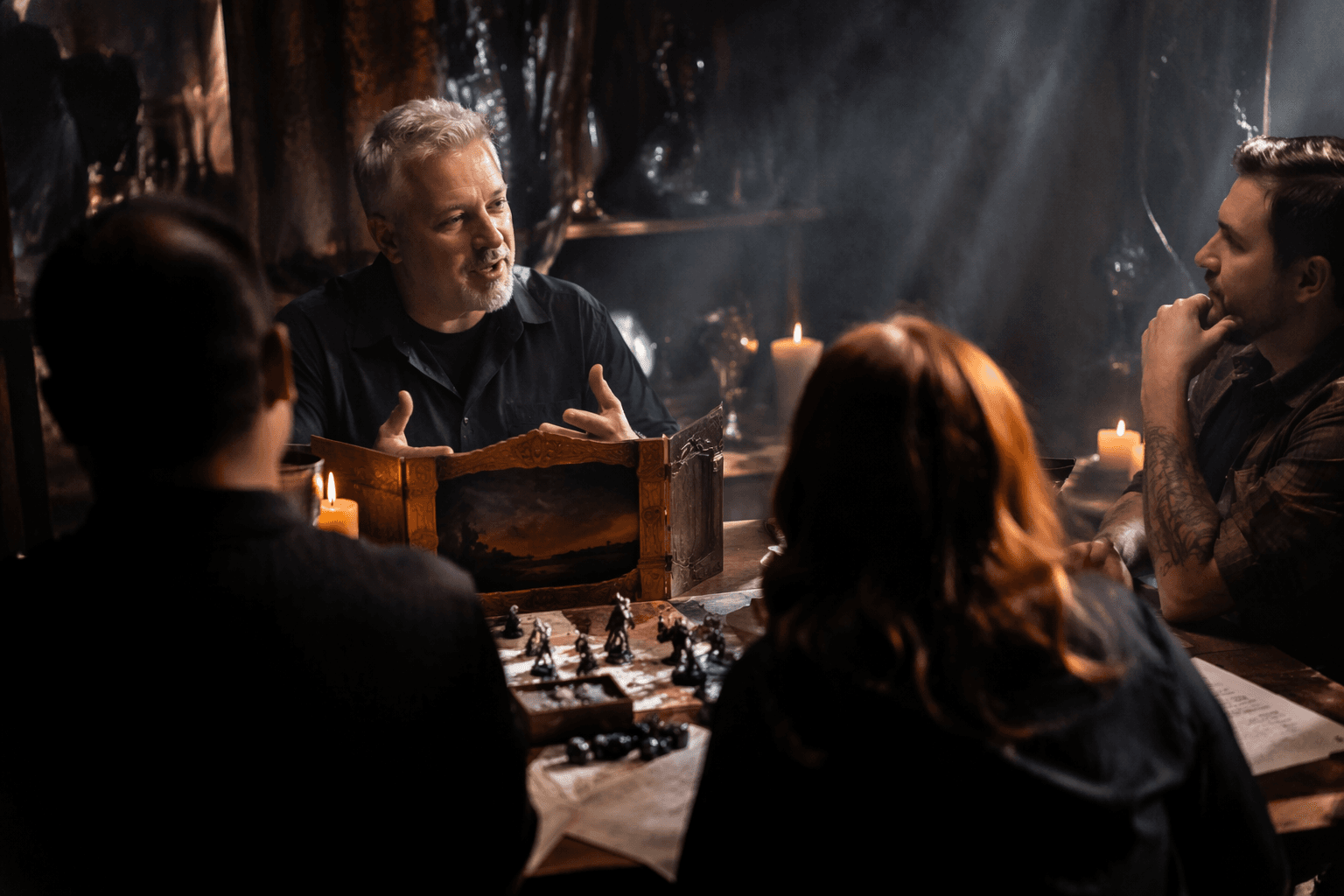
Mike Mearls says Dungeons & Dragons should stop treating resurrection and curse removal like routine spellcasting and make them harder to reach through the open spell list. His argument cuts straight at one of 5e’s most permissive safety valves: Raise Dead is a 5th-level spell for bards, clerics, and paladins, it requires a 500 gp diamond, only works on a creature dead no longer than 10 days, and returns the target with 1 hit point.
That still leaves the party with more work to do. Raise Dead does not clear magical diseases, curses, or similar effects, so those conditions can snap back into place when the character comes to life if they were not removed first. Remove Curse is no silver bullet either. Its rules end some curses, but cursed magic items can carry specific wording that overrides the general spell, which keeps the problem squarely in the DM’s hands.
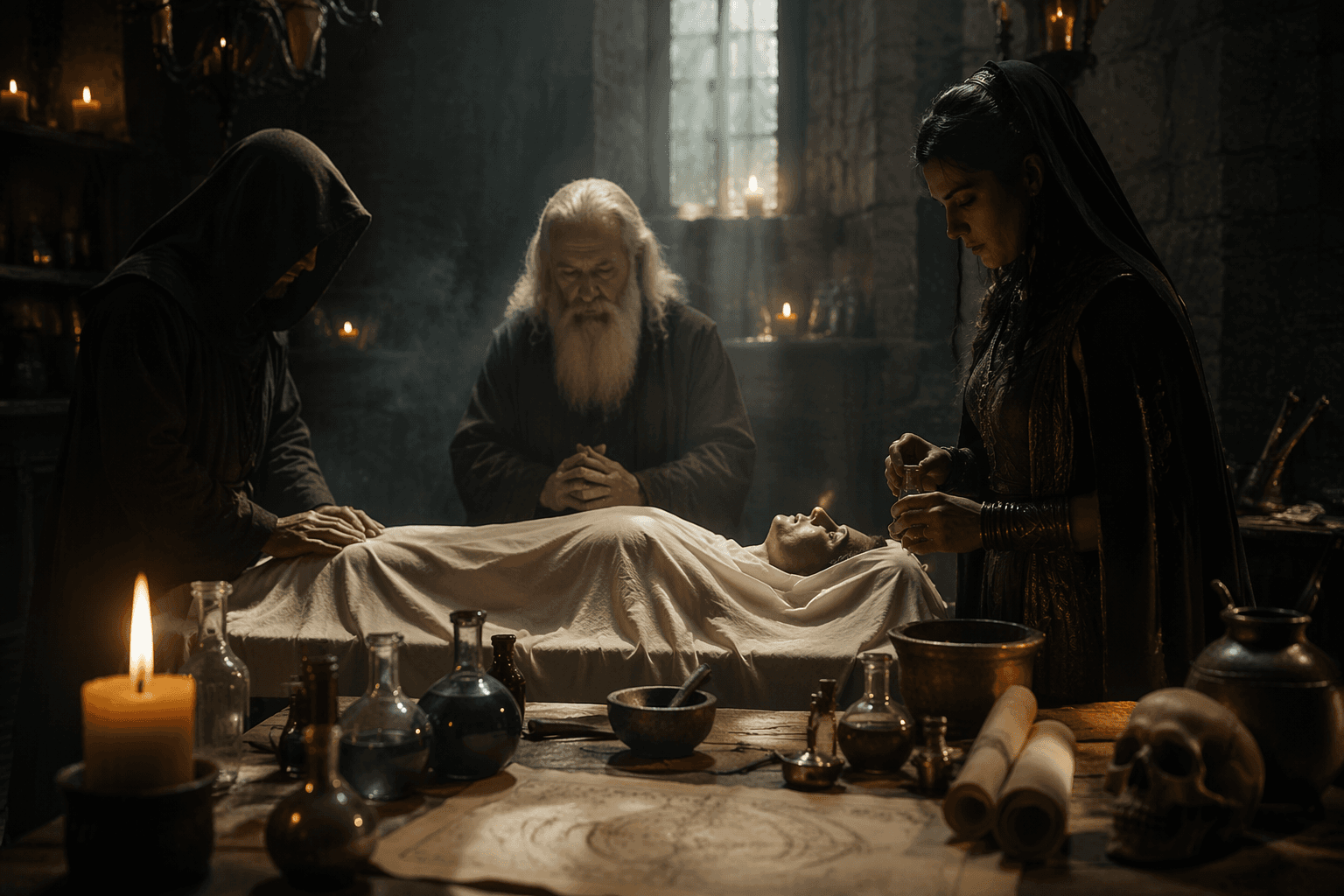
Mearls’ preferred model moves resurrection out of the “spend a slot and keep going” lane and into the world itself. Instead of a cleric solving death on demand, the party would need alliances with temples, sages, and alchemists to get the same result. That changes the table immediately: a slain wizard might need a shrine with the right rites, a well-connected patron willing to open doors, or an alchemist who can cleanse a body before the revival starts. A cursed fighter might be forced to bargain for help, secure a rare treatment, or complete a favor before the curse can be broken. The result is slower, costlier play with more room for consequences to stick.
That view lines up with older editions, which also treated Raise Dead as a limited, high-level effect tied to the caster’s level and the condition of the corpse. It also echoes the way Critical Role handles resurrection, a version of the game’s revival rules that adds roleplay and ritual to the process instead of making death a simple temple stop. In community debates, that approach keeps coming up as a way to make high-level play feel dangerous again.
Mearls has long been part of that conversation. He worked at Wizards of the Coast from 2005 to 2023, co-led D&D 5th edition design, and was made creative director for the Dungeons & Dragons franchise in 2018 before later reporting said he was laid off in 2023. However the rules shift, the real question at the table is the same one his argument raises now: should coming back from the dead be a slot, or a quest with dice on the line?
This article was produced by Prism’s automated news system from verified source data, official records, and press releases, then run through automated quality and moderation checks before publishing. The system is built and supervised by the people who set the standards it runs under. Read our full AI policy.
Did this article answer your question?