What Session Zero decides before a D&D campaign begins
Session Zero is where the real campaign decisions happen: tone, limits, logistics, and whether your party will actually work together.
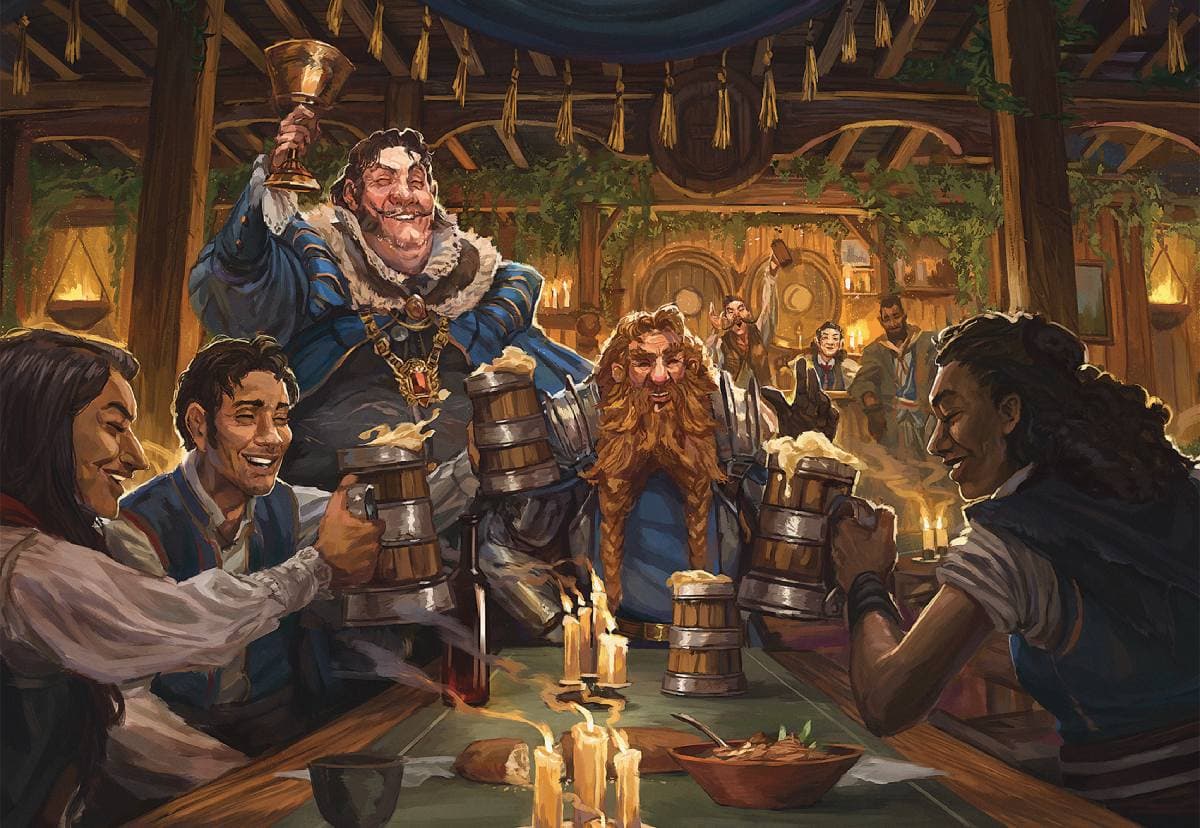
You can spot a doomed D&D campaign fast. The wizard built for courtroom intrigue is sitting next to a barbarian built for dungeon brawls, nobody agreed on how dark the story should get, and the first house-rule argument starts before initiative ever does. Session Zero is the meeting that catches those problems while they are still solvable, before the first adventure locks everyone into a table they do not actually want to play.
What Session Zero is actually for
Session Zero is the pre-game checkpoint that sets the campaign’s footing. It is where the group decides what kind of game this is going to be, what people want from it, and what everybody needs to avoid so the table can keep moving in the same direction. Tasha’s Cauldron of Everything places Session Zero in chapter 4, “Dungeon Master’s Tools.”
Session Zero is not just a friendly chat. It is the moment when mismatched character concepts get exposed, party dynamics get tested, and expectations stop being guesses. If the campaign is supposed to lean hard into tactical fights, story-heavy roleplay, or some precise mix of both, this is where you say it out loud instead of discovering the mismatch six sessions in.
The table decides the shape of the campaign
A good Session Zero starts with the practical stuff that keeps a party functional. That means comparing experience levels, deciding whether the campaign will favor combat, storytelling, or a blend of the two, and talking through how much lore the group actually wants to carry. That last part sounds minor until one player wants a deep Forgotten Realms history lesson and another only wants enough setting detail to know where the tavern is.
The same conversation should settle how the game will be played at the table. That includes whether combat will be tactical, with maps and minis, or looser and more narrative. It also includes the basic logistics that shape attendance and energy: how often the group meets, how long sessions run, and whether play happens in person, on video, or through Discord. Play can happen online or in person, not as two separate hobbies.
If those decisions are skipped, the campaign does not stay neutral. It defaults to whatever the loudest person assumed, which is how a table ends up with one player expecting a war game and another expecting improv theater.
Boundaries are part of the setup, not a side note
The social side of Session Zero is where the table becomes a table instead of a stack of solo fantasies. It is the place to establish the social contract, the shared understanding that keeps everyone having fun without stepping on each other’s fun in the process. That means boundaries, expectations, and the specific kinds of content the group wants to handle carefully or not at all.
The 2024 Basic Rules frame Session Zero as an initial gathering focused on creating characters and setting expectations, including topics to avoid and topics to embrace. That gives the meeting a very concrete job: it is not just about whether everyone is available on Thursdays, but about what the campaign is willing to put on the table in the first place.

The Dragonlance guidance sharpens that further with the distinction between hard limits and soft limits. A hard limit is something a player does not want included. A soft limit is something they can tolerate only if it is brief or handled carefully. That difference matters in play, because not every boundary is a total veto, but every boundary needs to be known before a scene wanders into dangerous territory.
Character creation is part of the conversation
Session Zero is also where character ideas get pressure-tested against the rest of the party. If everyone shows up with a loner, a secret agent, and three people who want to be the main character, the problem is not the dice. It is the campaign design. The Basic Rules tie Session Zero directly to creating characters, which is exactly where those collisions should be sorted out.
That is why the discussion has to include more than class choices and starting gear. A party needs to know whether the characters fit one another, whether the campaign premise supports those concepts, and whether the group is building toward a shared kind of story. Those questions are part of the same setup process rather than something to clean up later.
How long it takes, and when it can happen
Session Zero does not have to be a grand production. D&D Beyond puts it at about 15 minutes to three hours, depending on how many topics the group needs to cover. There is no single correct format. A fresh group starting a new campaign may need a long conversation; a returning table that only needs to set a few boundaries can move fast.
It also does not have to happen before the very first dice roll, though that is the cleanest version. Session Zero can take place before session one or later between sessions if the group missed it.
Stormwreck Isle includes a short checklist: hard and soft limits on subject matter, schedule and session length, and changes to the campaign.
Why official D&D keeps coming back to it
Session Zero appears repeatedly across official D&D material because Wizards of the Coast treats it as a standard part of running the game, not a niche house ritual. It appears in Tasha’s Cauldron of Everything, the 2024 Basic Rules, the Dragonlance campaign material, and the Stormwreck Isle guidance.
This article was produced by Prism’s automated news system from verified source data, official records, and press releases, then run through automated quality and moderation checks before publishing. The system is built and supervised by the people who set the standards it runs under. Read our full AI policy.
Did this article answer your question?

