Why D&D Dice Feel Magical, Even When Science Says Otherwise
Dice are not magic, but at a D&D table they still act like emotional hardware. Their clatter shapes superstition, story, and the mood of every session.

The object at the center of the table
Dice sit at the heart of Dungeons & Dragons in a way that goes far beyond arithmetic. From the spare plastic in early boxed sets to the resin and metal polyhedrals many players carry today, the die has become one of the hobby’s defining objects, a tiny piece of gear that decides outcomes and also sets the emotional tone of a session.
That is why dice feel bigger than their size. They are the moment when the rules become a sound, a pause, and then a result everyone at the table has to live with together. A die roll is a mechanical event, but at the table it becomes social theater, shaping tension, relief, laughter, and the stories people tell after the session ends.
What science takes apart, the table puts back together
The science side of dice is less mystical than most players like to imagine. A roll is not pure randomness in a magical sense. It is a deterministic event shaped by the throw, the angle, the force behind it, and even whether the die was genuinely tossed or only nudged across the table.
High-speed analysis has gone even further, suggesting that a die is more likely to land on the face that was up when the throw began. That does not make the experience feel less dramatic in play, but it does explain why a die can seem to have a pattern even when it is just following physics.
For DMs, that matters because it reframes the roll without deflating it. The point is not to strip away the mystery. The point is to understand that the mystery comes from how people experience the roll, not from the die behaving like a supernatural object.
Why players treat dice like they have personalities
The emotional side of dice is where the hobby really shows its teeth. The article’s discussion of tilt, that familiar spiral of frustration after a string of bad rolls, captures something every table recognizes. Once the d20 starts betraying you, it can feel personal, even when everyone knows the numbers are just numbers.
That is where the hobby’s rituals come in. Dice jails, lucky-dice rotation, and charging dice before a session are all ways players try to regain a sense of control when variance turns ugly. The point is not that these habits work in a scientific sense. The point is that they give players a language for handling stress, disappointment, and hope without breaking the mood at the table.
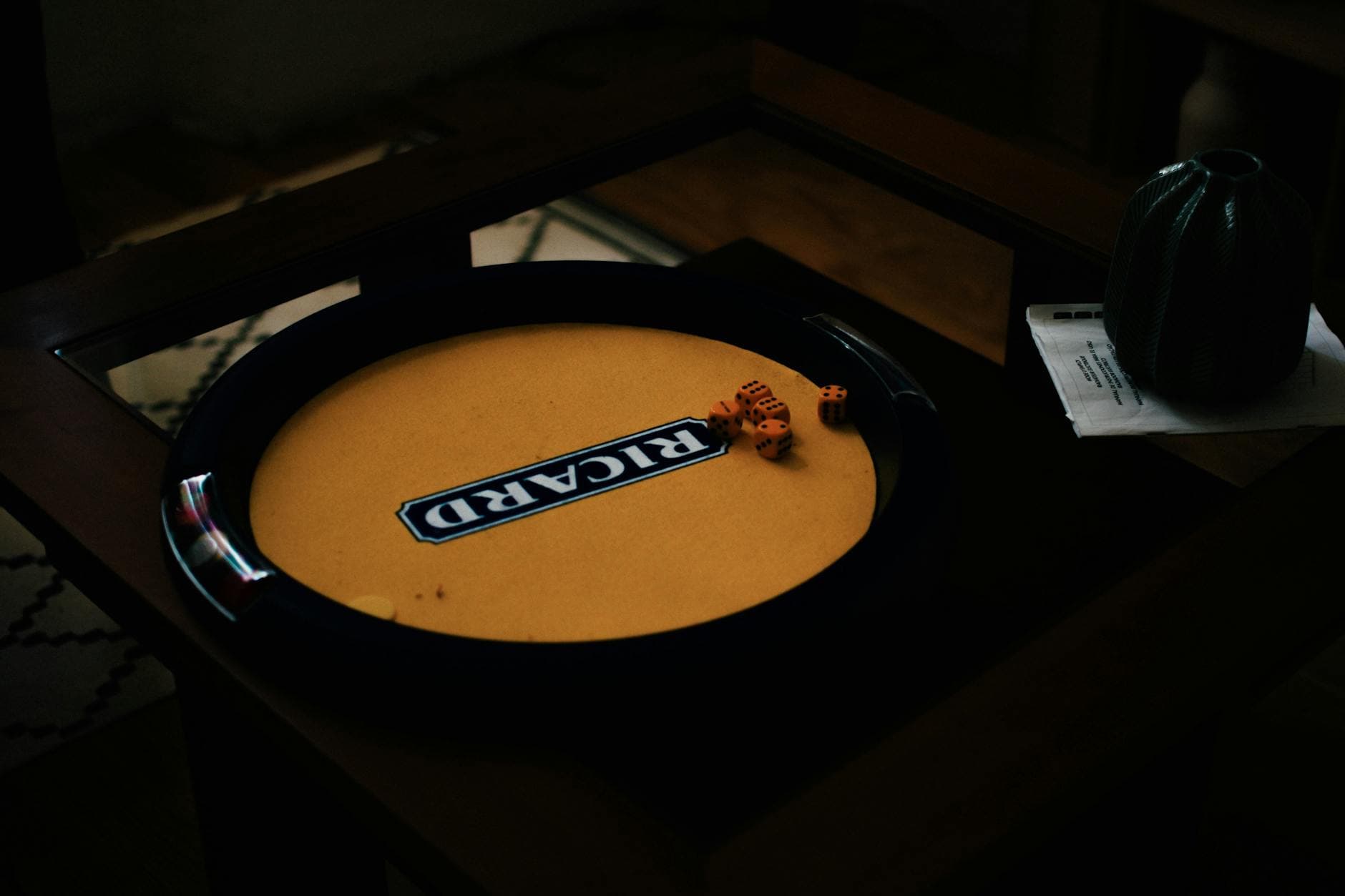
There is real value in taking those habits seriously. When a table understands that dice carry meaning for players, the game becomes more welcoming and more durable. The superstition is part of the fun, and the fun is part of why people keep showing up with the same battered set, the same favorite d20, and the same hope that tonight will be the night it behaves.
How randomness becomes part of the story
The smartest part of the essay is its reminder that randomness is not just a rules procedure, it is a social event. A bad run of misses can become part of the story, but only if the table protects the sense of play around it. If frustration takes over, the narrative stops being about the characters and starts being about a player losing control of the moment.
That is why the sound of the roll matters almost as much as the number itself. The suspense of a die tumbling across the table, followed by the communal reaction when it settles, is part of the emotional architecture of D&D. A natural 20 lands harder because people hear it, wait for it, and then respond together.
For DMs, the practical lesson is simple: treat dice as a pacing tool, a mood setter, and a shared ritual. Let the table savor the tension before the result is announced. Make room for the groan of a failed save, and make room for the cheer when a crucial roll comes up huge. The dice are not just resolving combat or skill checks. They are helping the group build memory in real time.
Why the magic still sticks
This is why dice have earned their mythic status at the gaming table. They are not magical because physics disappears when they hit the mat. They feel magical because they sit at the intersection of chance, habit, superstition, and group emotion.
A small piece of plastic, or metal, or resin can turn a routine turn in combat into a moment of destiny. That is not an accident, and it is not a trivial detail of the game. It is part of D&D identity itself, one roll at a time.
This article was produced by Prism’s automated news system from verified source data, official records, and press releases, then run through automated quality and moderation checks before publishing. The system is built and supervised by the people who set the standards it runs under. Read our full AI policy.
Did this article answer your question?

