Wizards of the Coast signals bigger role for outside partners in D&D releases
Wizards just posted a TRPG Publishing Lead role that points to a bigger, tighter pipeline for partner-made D&D books, campaigns, and art.
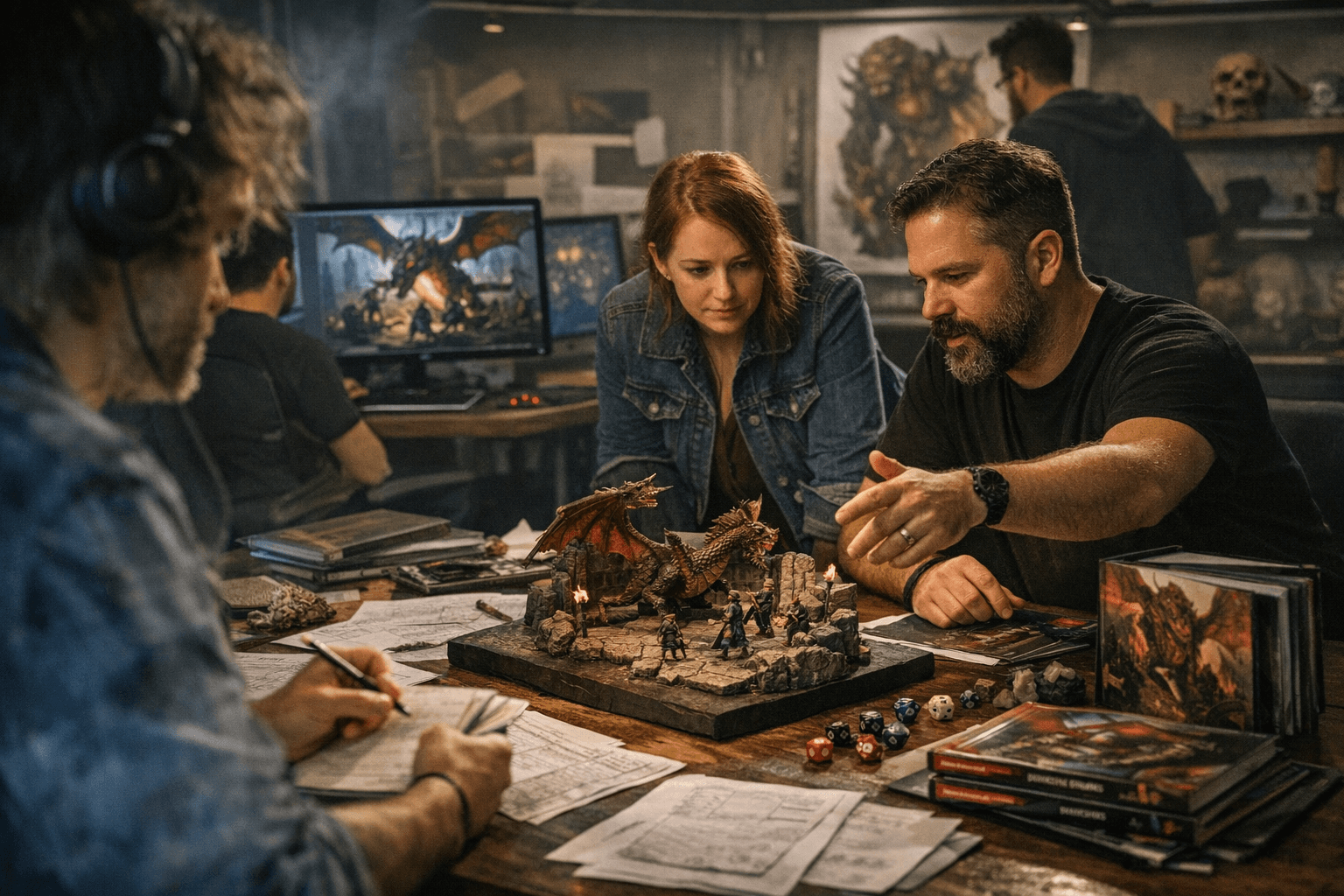
Wizards of the Coast is moving toward a more formal outside-partner lane for Dungeons & Dragons, and the clearest sign is a new TRPG Publishing Lead job based in Renton, Washington. The role is not framed as routine publishing cleanup. It sits at the intersection of creative direction, franchise strategy, and program management, with responsibility for making sure externally produced content still meets D&D’s creative, brand, and standards requirements.
That matters because it suggests Wizards is thinking beyond one-off collaborations. The posting points to a repeatable 2P/3P pipeline, the kind of structure that would let the company coordinate partner-driven books, guides, campaigns, and artwork without losing central control of the brand. In plain D&D terms, this looks less like freelancing at the edges and more like an official lane for outside studios and creators to ship products that still feel like they came through Wizards’ gate.
The company has already been inching in this direction. D&D Beyond currently highlights partnered creators, and Wizards has been clear that partnered content is part of how the game grows beyond any single book or release. That ecosystem already includes outside creators, but this new role suggests Wizards wants someone inside the machine whose job is to manage schedules, milestone gates, and the handoff between partner work and Wizards’ final standards.
The timing is hard to ignore. On June 2, 2025, Wizards announced an exclusive publishing agreement with Giant Skull for an all-new, single-player action-adventure game set in the world of Dungeons & Dragons. Wizards also said its Montreal expansion would create about 200 jobs over three years to develop new D&D content and support digital games. Add in John Hight’s remit, which covers strategy for Magic: The Gathering and Dungeons & Dragons, plus gaming studios and digital licensing agreements, and the company’s franchise model looks increasingly coordinated rather than ad hoc.
There is also old baggage in the background. Wizards’ attempted OGL changes in 2023 triggered major backlash before the company backed away and left the original license in place. That fight still shapes how any new partner structure will be read by third-party creators who lived through it. Even so, the signal from this hire is clear: Wizards appears to be formalizing a publishing system that could give partner studios, veteran creators, and outside talent a more direct path into official D&D releases, while keeping the final say in Renton.
This article was produced by Prism’s automated news system from verified source data, official records, and press releases, then run through automated quality and moderation checks before publishing. The system is built and supervised by the people who set the standards it runs under. Read our full AI policy.
Did this article answer your question?