Wyldheart Brings Dungeons & Dragons Tabletop Design to Co-Op Action RPGs
Dennis Brännvall, who directed Star Wars: Battlefront II, built West Marches hexcrawl structure and 30-minute dungeon modules into Wyldheart, a co-op RPG DMs will immediately recognize.

Dennis Brännvall directed Star Wars: Battlefront II. Now he co-runs a Swedish indie studio of about 10 people and has built its debut game around the West Marches campaign format, the same player-driven D&D sandbox structure that tabletop groups have been borrowing for more than a decade.
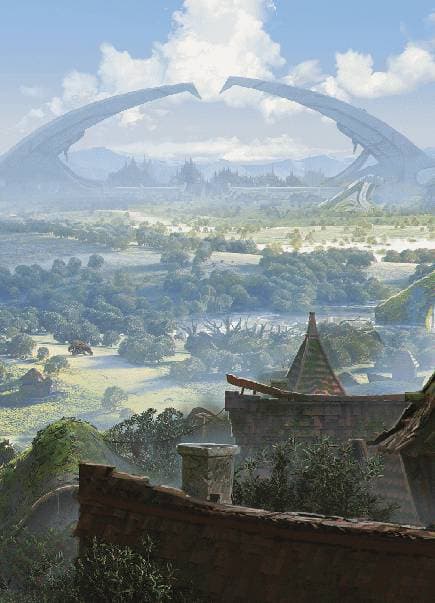
Wyldheart, developed by Wayfinder Studios, is a co-op action RPG for PC set in the fallen fantasy kingdom of Caerwyn. Brännvall co-founded the studio alongside Fia Tjernberg, formerly the Studio Director of Technical Design at EA DICE. A hands-on Polygon preview published April 4 positioned Wyldheart inside a tabletop-adjacent design tradition, drawing comparisons to both Fable and Dungeons and Dragons in its sensibilities and noting that Wayfinder structured the game around shared campaign ownership, modular encounter design, and choice-driven storytelling rather than scripted quest progressions.
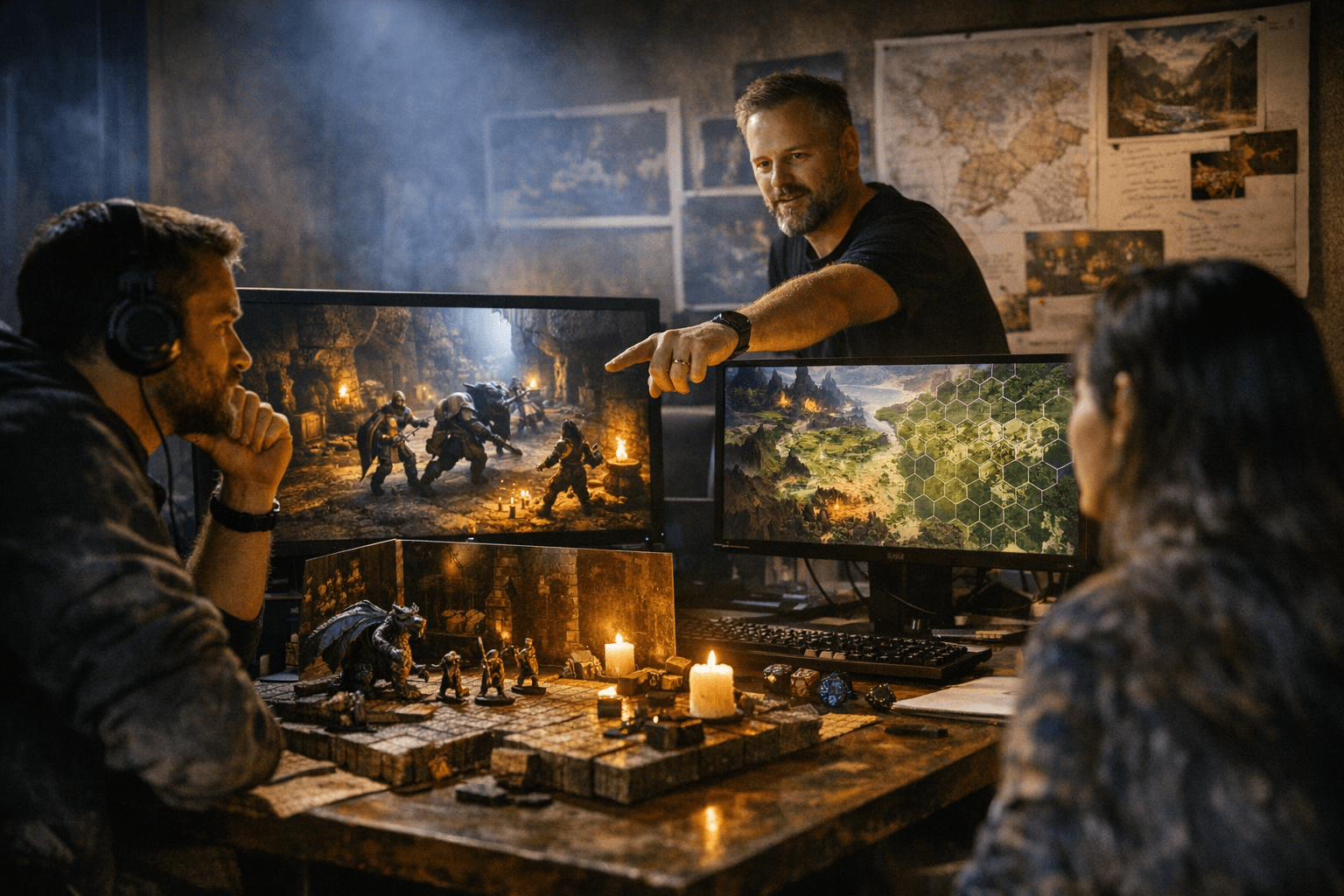
The West Marches architecture is where DMs will feel most at home. Ben Robbins' original D&D campaign concept builds around a shared persistent world where shifting player groups drop in for self-contained expeditions without needing narrative continuity between sessions. Wayfinder encoded that logic directly into Wyldheart's overworld as a literal hexcrawl map, with individual dungeons tuned to approximately 30 minutes each and drop-in/drop-out support for up to four players. Each campaign is designed to hold around 10 hours of story content and 15 hours of optional content, with cloud-shared saves, group XP, and scaling difficulty ensuring that no player falls behind when someone misses a session. The studio cited Scandinavian tabletop publishers as core influences, particularly Free League Publishing titles such as Forbidden Lands and Vaesen, both of which share the modular, low-obligation session philosophy that makes West Marches groups viable for adults with inconsistent schedules.
Role differentiation inside dungeons works the way experienced DMs manage spotlight time: through loadout rather than fixed class roles. One player might carry lockpicks and lead trap detection; another selects a weapon with a damage-type advantage against the current enemy set. Friendly fire is always active, converting positioning and target sequencing from optional discipline into a genuine mid-session conversation. Where a D&D encounter designer has to engineer that collaborative pressure through monster placement and action economy, Wyldheart enforces it mechanically and produces the same result: players coordinating before they act rather than after something goes wrong.
Wayfinder launched a Kickstarter campaign targeting €150,000 (approximately $170,000), running through May 1, 2026, with a digital copy available to backers at €20.
For DMs, the clearest takeaway is that the intuitions tabletop veterans carry in their heads have been codified into a commercial product by a studio that started with those goals as explicit design targets: 30-minute encounter windows with telegraphed stakes, loot and group XP timed to keep momentum intact, role signals that emerge from gear rather than character sheets, and a persistent shared world that does not punish the player who misses game night. Wayfinder built those habits into a user interface. The DM's job is to figure out which ones to steal before the next session.
This article was produced by Prism’s automated news system from verified source data, official records, and press releases, then run through automated quality and moderation checks before publishing. The system is built and supervised by the people who set the standards it runs under. Read our full AI policy.
Did this article answer your question?